Now Reading: Understanding Small Cell Carcinoma: Symptoms and Treatment
-
01
Understanding Small Cell Carcinoma: Symptoms and Treatment
Understanding Small Cell Carcinoma: Symptoms and Treatment
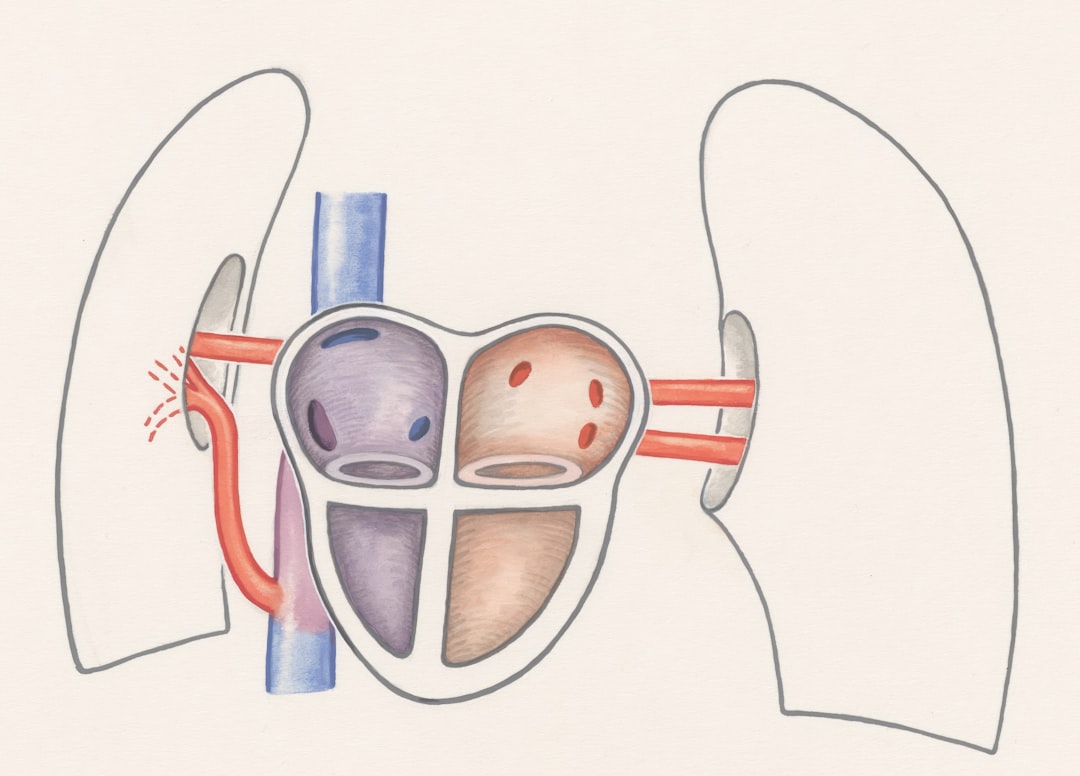
Small Cell Carcinoma (SCC), also known as small cell lung cancer (SCLC), is a highly aggressive form of lung cancer characterized by the rapid proliferation of small, oval-shaped cells. This malignancy accounts for approximately 15% of all lung cancer cases and is predominantly associated with cigarette smoking, although non-smokers can also be affected. The pathophysiology of SCC involves the transformation of neuroendocrine cells in the lungs, leading to the production of various hormones and neuropeptides that can result in paraneoplastic syndromes.
SCC is classified into two main types: limited-stage and extensive-stage disease. Limited-stage SCC is confined to one lung and possibly nearby lymph nodes, while extensive-stage disease has spread beyond the original site to other organs. The aggressive nature of this carcinoma often results in a poor prognosis, making early detection and intervention critical for improving patient outcomes.
Key Takeaways
- Small Cell Carcinoma is a type of aggressive cancer that commonly occurs in the lungs.
- Common symptoms of Small Cell Carcinoma include coughing, chest pain, and shortness of breath.
- Diagnosing Small Cell Carcinoma involves imaging tests, biopsies, and blood tests.
- Staging Small Cell Carcinoma helps determine the extent of the cancer and guide treatment decisions.
- Treatment options for Small Cell Carcinoma include surgery, chemotherapy, radiation therapy, immunotherapy, and participation in clinical trials.
Common Symptoms of Small Cell Carcinoma
The clinical presentation of small cell carcinoma can vary significantly among patients, but several common symptoms are frequently observed. One of the hallmark signs is a persistent cough that may worsen over time, often accompanied by hemoptysis, or coughing up blood. Patients may also experience chest pain, which can be sharp or dull, and may radiate to the shoulders or back.
Other systemic symptoms include unexplained weight loss, fatigue, and loss of appetite. Due to the neuroendocrine nature of SCC, patients may present with paraneoplastic syndromes such as the syndrome of inappropriate antidiuretic hormone secretion (SIADH), leading to hyponatremia, or Cushing’s syndrome due to ectopic adrenocorticotropic hormone (ACTH) production. These symptoms can complicate the clinical picture and may lead to misdiagnosis if not carefully evaluated.
Diagnosing Small Cell Carcinoma

The diagnostic process for small cell carcinoma typically begins with a thorough medical history and physical examination, followed by imaging studies such as chest X-rays and computed tomography (CT) scans. These imaging modalities help identify any masses or abnormalities in the lungs and surrounding structures. If a suspicious lesion is detected, a biopsy is essential for definitive diagnosis.
There are several biopsy techniques available, including bronchoscopy, where a thin tube is inserted into the airways to obtain tissue samples, and needle biopsy, which involves using imaging guidance to extract cells from the tumor. Histopathological examination reveals small cells with scant cytoplasm and high nuclear-to-cytoplasmic ratios, confirming the diagnosis of SCAdditionally, immunohistochemical staining can help differentiate SCC from other lung cancer types.
Staging Small Cell Carcinoma
| Metrics | Values |
|---|---|
| Tumor Size | Less than 3 cm |
| Lymph Node Involvement | May be present |
| Metastasis | May have spread to nearby tissues |
| Prognosis | Depends on the stage and overall health of the patient |
Staging small cell carcinoma is crucial for determining the appropriate treatment approach and predicting patient outcomes. The staging system used for SCC is distinct from that of non-small cell lung cancer (NSCLC) and is primarily divided into two categories: limited-stage and extensive-stage disease. Limited-stage disease indicates that the cancer is confined to one lung and may involve regional lymph nodes, while extensive-stage disease signifies that the cancer has metastasized beyond the original site to distant organs such as the liver, bones, or brain.
The staging process often involves imaging studies like positron emission tomography (PET) scans to assess for metastasis and evaluate lymph node involvement.
Treatment Options for Small Cell Carcinoma
The treatment landscape for small cell carcinoma is multifaceted and typically involves a combination of therapies tailored to the stage of the disease. For limited-stage SCC, a multimodal approach that includes chemotherapy and radiation therapy is often employed. In contrast, extensive-stage disease primarily relies on systemic chemotherapy due to the widespread nature of the malignancy.
Chemotherapy regimens commonly used for SCC include platinum-based agents such as cisplatin or carboplatin combined with etoposide or irinotecan. These regimens aim to induce remission and prolong survival. Additionally, clinical trials exploring novel agents and combinations are ongoing, providing hope for improved outcomes in this challenging disease.
Surgery for Small Cell Carcinoma
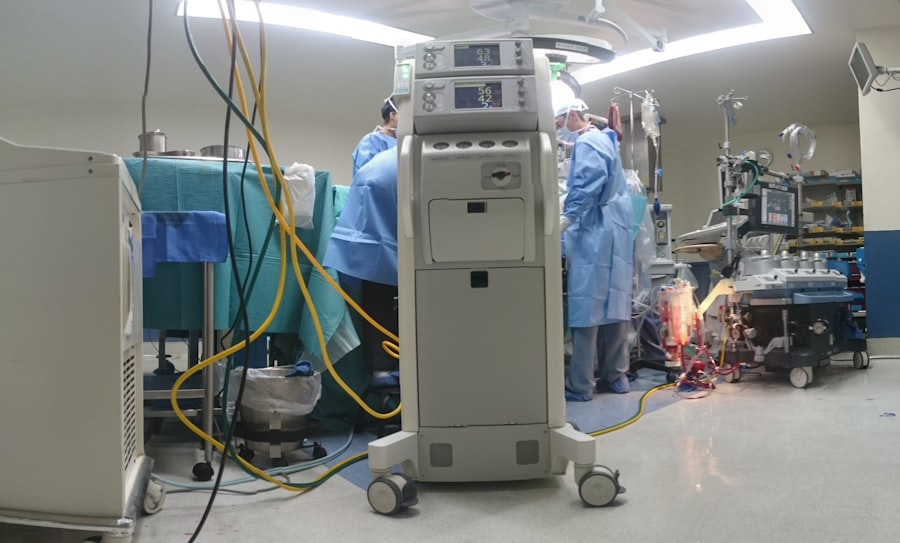
Surgical intervention in small cell carcinoma is generally limited due to the aggressive nature of the disease and its propensity for early metastasis. However, in select cases of limited-stage SCC where the tumor is localized and resectable, surgery may be considered as part of a multimodal treatment strategy. Lobectomy or pneumonectomy may be performed to remove the affected lung lobe or entire lung, respectively.
Surgical resection is often followed by adjuvant chemotherapy or radiation therapy to eliminate any residual cancer cells and reduce the risk of recurrence. The decision to pursue surgical options must be made on a case-by-case basis, taking into account factors such as tumor size, location, and overall patient health.
Chemotherapy for Small Cell Carcinoma
Chemotherapy remains the cornerstone of treatment for small cell carcinoma due to its systemic nature and ability to target rapidly dividing cancer cells. The most commonly utilized regimens include a combination of a platinum-based drug—either cisplatin or carboplatin—paired with a topoisomerase inhibitor such as etoposide or irinotecan.
Treatment cycles typically last three to four weeks, with patients receiving multiple cycles depending on their response and tolerance to therapy. Side effects such as nausea, vomiting, myelosuppression, and alopecia are common but manageable with supportive care measures.
Radiation Therapy for Small Cell Carcinoma
Radiation therapy plays a pivotal role in the management of small cell carcinoma, particularly in patients with limited-stage disease. It can be utilized as a primary treatment modality or as an adjunct to chemotherapy following surgical resection. The goal of radiation therapy is to target localized tumors while minimizing damage to surrounding healthy tissue.
In cases where surgery is not feasible, definitive radiation therapy may be employed to achieve local control of the disease. Additionally, prophylactic cranial irradiation (PCI) is often recommended for patients who achieve a complete response to initial treatment, as it has been shown to reduce the risk of brain metastases—a common site of recurrence in SCC.
Immunotherapy for Small Cell Carcinoma
Immunotherapy has emerged as a promising treatment modality for various malignancies, including small cell carcinoma. While traditional chemotherapy remains the standard approach, recent advancements have led to the exploration of immune checkpoint inhibitors such as pembrolizumab and nivolumab in combination with chemotherapy for extensive-stage SCC. These agents work by enhancing the body’s immune response against cancer cells by blocking inhibitory pathways that prevent T-cell activation.
Clinical trials have demonstrated improved survival rates in patients receiving immunotherapy compared to those treated with chemotherapy alone. Ongoing research continues to investigate optimal combinations and sequencing strategies to maximize therapeutic benefits.
Clinical Trials for Small Cell Carcinoma
Clinical trials are essential for advancing our understanding of small cell carcinoma and developing new treatment options. These studies evaluate novel therapies, combinations of existing treatments, and innovative approaches such as targeted therapies and immunotherapies. Participation in clinical trials offers patients access to cutting-edge treatments that may not yet be widely available.
Patients interested in clinical trials should consult their oncologist or seek information from reputable sources such as the National Cancer Institute (NCI) or clinicaltrials.gov. Eligibility criteria vary by study; therefore, thorough discussions regarding potential benefits and risks are crucial before enrollment.
Prognosis and Survival Rates for Small Cell Carcinoma
The prognosis for small cell carcinoma is generally poor compared to other lung cancer types due to its aggressive behavior and tendency for early metastasis. The overall five-year survival rate for patients with limited-stage disease ranges from 20% to 30%, while those with extensive-stage disease have a significantly lower survival rate of approximately 3% to 5%. Factors influencing prognosis include the stage at diagnosis, response to treatment, performance status, and presence of comorbidities.
Early detection through screening programs may improve outcomes; however, awareness of risk factors such as smoking cessation remains paramount in prevention efforts.
Early diagnosis through imaging and biopsy is critical for effective management.
Treatment options include chemotherapy, radiation therapy, immunotherapy, and clinical trials aimed at improving patient outcomes. Ongoing research continues to explore innovative strategies that may enhance survival rates in this aggressive form of lung cancer.
Small cell carcinoma is a type of cancer that typically occurs in the lungs, but can also affect other parts of the body. According to a recent article on Boogger, Indigenous Peoples Day has been proposed as a new federal holiday in the United States. This holiday would honor and celebrate the history and contributions of Indigenous peoples, highlighting the importance of recognizing and respecting diverse cultures and traditions. This article serves as a reminder of the significance of cultural awareness and inclusivity, which are important aspects of healthcare when treating patients with conditions such as small cell carcinoma.
FAQs
What is small cell carcinoma?
Small cell carcinoma is a type of cancer that typically occurs in the lungs, but can also develop in other areas of the body such as the prostate, bladder, or gastrointestinal tract. It is characterized by small, round cancer cells that grow quickly and have the ability to spread to other parts of the body.
What are the symptoms of small cell carcinoma?
Symptoms of small cell carcinoma can vary depending on the location of the cancer, but common symptoms may include coughing, chest pain, shortness of breath, fatigue, unexplained weight loss, and changes in bowel or bladder habits.
What are the risk factors for small cell carcinoma?
Risk factors for small cell carcinoma include smoking, exposure to secondhand smoke, exposure to certain chemicals or toxins, a family history of small cell carcinoma, and certain genetic factors.
How is small cell carcinoma diagnosed?
Small cell carcinoma is typically diagnosed through a combination of imaging tests, such as CT scans or PET scans, and biopsy procedures to examine the cancer cells under a microscope.
What are the treatment options for small cell carcinoma?
Treatment for small cell carcinoma often involves a combination of chemotherapy, radiation therapy, and sometimes surgery. Immunotherapy and targeted therapy may also be options for some patients.
What is the prognosis for small cell carcinoma?
The prognosis for small cell carcinoma can vary depending on the stage of the cancer at the time of diagnosis and other individual factors. Generally, small cell carcinoma tends to be more aggressive and has a higher likelihood of spreading to other parts of the body compared to other types of cancer.