Now Reading: Aetna Vision: Clear Sight, Healthy Eyes
-
01
Aetna Vision: Clear Sight, Healthy Eyes
Aetna Vision: Clear Sight, Healthy Eyes
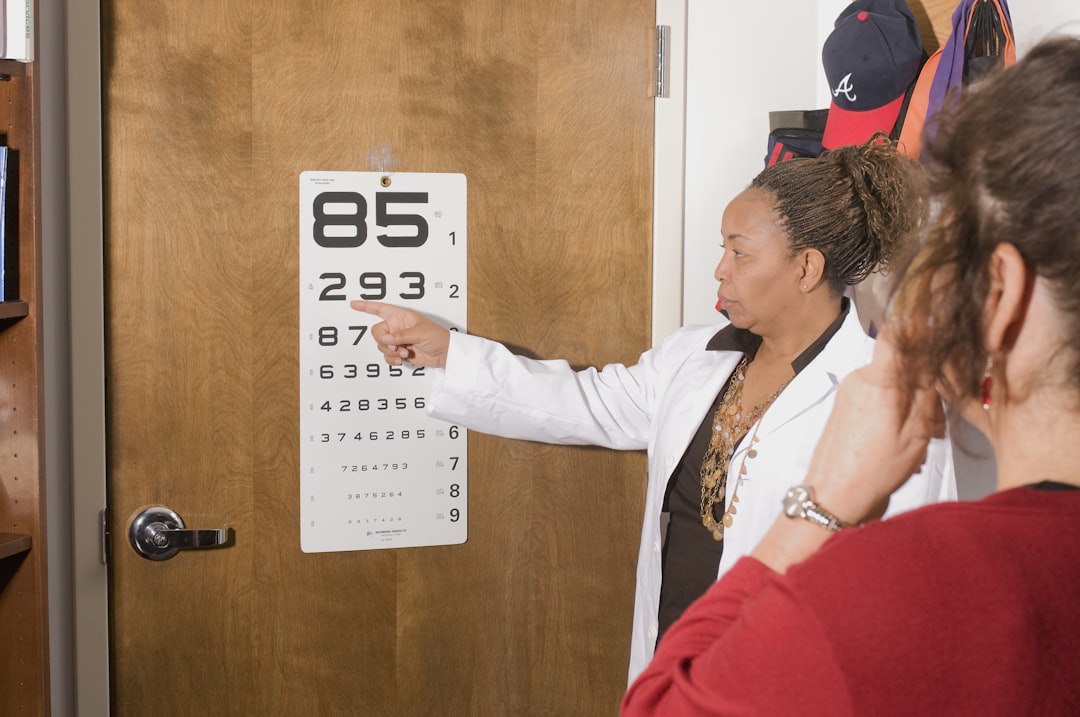
Aetna Vision Coverage is a comprehensive insurance plan designed to provide members with access to essential eye care services and products. This coverage typically includes routine eye examinations, discounts on eyewear, and access to a network of qualified eye care professionals. Aetna’s vision plans are tailored to meet the diverse needs of individuals and families, ensuring that members can maintain optimal eye health while managing costs effectively.
Members can expect a variety of benefits under Aetna Vision Coverage, including allowances for frames and lenses, coverage for contact lenses, and discounts on laser vision correction procedures. The plan is structured to facilitate easy access to eye care services, ensuring that members can receive timely interventions when necessary.
Understanding the specifics of Aetna’s vision coverage is crucial for maximizing benefits and ensuring that all necessary eye care needs are met.
Key Takeaways
- Aetna Vision coverage provides access to quality eye care services for individuals and families.
- Regular eye exams are important for maintaining overall health and detecting potential eye conditions early on.
- Choosing the right eyewear for your lifestyle is essential for comfort and optimal vision.
- Aetna Vision network helps you find providers near you for convenient and accessible eye care services.
- Aetna Vision benefits not only your vision but also your overall health, emphasizing the importance of eye care in wellness.
The Importance of Regular Eye Exams
Regular eye examinations are a cornerstone of maintaining good ocular health. These assessments are not only vital for detecting refractive errors such as myopia, hyperopia, and astigmatism but also play a critical role in identifying more serious conditions like glaucoma, cataracts, and macular degeneration. The American Academy of Ophthalmology recommends that adults undergo comprehensive eye exams at least every two years, or annually for those over 60 or at higher risk for eye diseases.
During an eye exam, an optometrist or ophthalmologist will perform a series of tests to evaluate visual acuity, eye coordination, and overall eye health. These evaluations can lead to early detection of systemic diseases such as diabetes and hypertension, which often manifest through ocular symptoms. By prioritizing regular eye exams, individuals can not only preserve their vision but also enhance their overall health outcomes through early intervention.
Choosing the Right Eyewear for Your Lifestyle
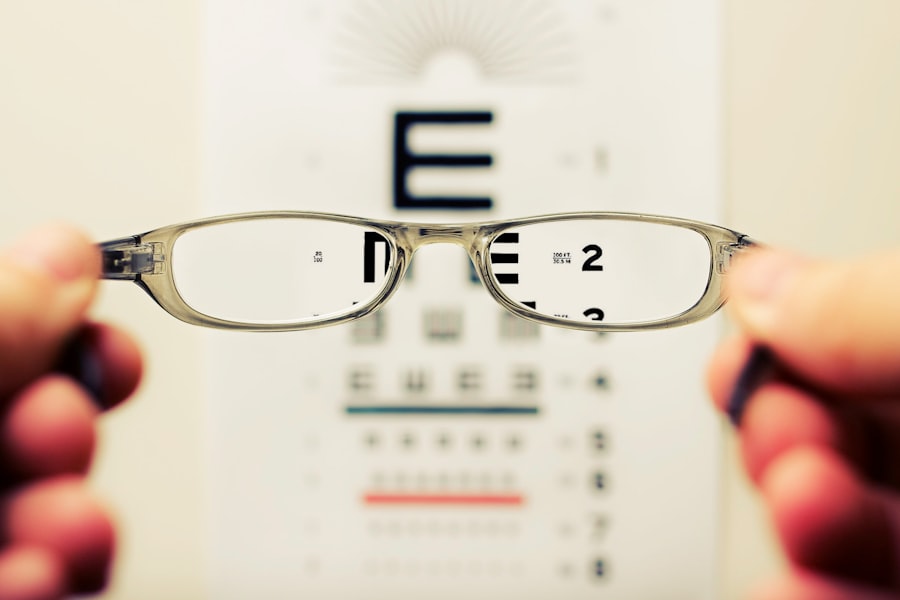
Selecting the appropriate eyewear is essential for both comfort and functionality. With a plethora of options available, including prescription glasses, sunglasses, and contact lenses, individuals must consider their lifestyle needs when making a choice. For instance, those who lead an active lifestyle may benefit from durable frames and lenses that offer impact resistance and UV protection.
Conversely, individuals who spend significant time in front of digital screens may require specialized blue light-blocking lenses to mitigate digital eye strain.
Fashion-forward individuals may prefer designer frames that reflect their personal style while still providing necessary vision correction. It is crucial to consult with an eye care professional to determine the best lens options—such as single vision, bifocal, or progressive lenses—based on individual visual requirements and lifestyle preferences.
Aetna Vision Network: Finding Providers Near You
| City | Number of Providers | Average Rating |
|---|---|---|
| New York | 120 | 4.5 |
| Los Angeles | 90 | 4.2 |
| Chicago | 80 | 4.0 |
Aetna Vision has established a robust network of eye care providers across the United States, making it easier for members to find qualified professionals in their vicinity. Utilizing Aetna’s online provider directory allows members to search for optometrists and ophthalmologists based on location, specialty, and availability. This user-friendly tool ensures that individuals can quickly locate nearby providers who accept Aetna Vision insurance.
In addition to convenience, being part of the Aetna Vision network often translates to reduced out-of-pocket expenses for members. Participating providers typically offer discounted rates on services and products, enhancing the overall value of the insurance plan. Members are encouraged to verify their provider’s participation in the network before scheduling appointments to ensure they receive the maximum benefits available under their coverage.
How Aetna Vision Benefits Your Overall Health
The relationship between ocular health and overall well-being is well-documented in medical literature. Regular access to vision care through Aetna Vision not only aids in maintaining clear eyesight but also serves as a preventive measure against systemic health issues. For example, conditions such as diabetes can lead to diabetic retinopathy if left unchecked; regular eye exams can facilitate early detection and management of such complications.
Moreover, many systemic diseases manifest through ocular symptoms before other signs become apparent. By utilizing Aetna Vision benefits for routine check-ups, members can gain insights into their overall health status. This proactive approach fosters a culture of preventive care, ultimately leading to improved health outcomes and reduced healthcare costs over time.
Managing Eye Conditions with Aetna Vision

Aetna Vision provides valuable resources for managing various eye conditions effectively. Members diagnosed with chronic conditions such as glaucoma or dry eye syndrome can access specialized treatments and therapies covered under their plan. This may include prescription medications, advanced diagnostic tests, or referrals to specialists for further evaluation.
In addition to traditional treatments, Aetna Vision often covers innovative therapies such as punctal plugs for dry eyes or laser treatments for glaucoma management. By leveraging these resources, members can take an active role in managing their eye health while minimizing the financial burden associated with ongoing treatment.
Tips for Maintaining Healthy Eyes with Aetna Vision
Maintaining optimal eye health requires a multifaceted approach that includes regular check-ups, proper nutrition, and protective measures against environmental hazards. Members are encouraged to adopt a diet rich in antioxidants—such as vitamins C and E—as well as omega-3 fatty acids found in fish. These nutrients play a crucial role in supporting retinal health and reducing the risk of age-related macular degeneration.
Additionally, practicing good screen hygiene is essential in today’s digital age. The 20-20-20 rule—taking a 20-second break every 20 minutes to look at something 20 feet away—can help alleviate digital eye strain caused by prolonged screen time. Furthermore, wearing protective eyewear during outdoor activities or when using power tools can prevent injuries and long-term damage.
Aetna Vision: Coverage for Children and Families
Aetna Vision recognizes the importance of early intervention in pediatric eye care. The plan typically includes coverage for comprehensive eye exams for children, which are crucial for detecting refractive errors that may affect learning and development. Early detection allows for timely corrective measures such as glasses or contact lenses, ensuring that children can perform optimally in academic settings.
Moreover, Aetna Vision often provides family plans that allow parents to include their children under the same coverage umbrella. This not only simplifies the management of healthcare expenses but also encourages families to prioritize regular eye exams as part of their overall health routine.
Aetna Vision: Access to Quality Eye Care Services
Accessing quality eye care services is paramount for maintaining good vision health. Aetna Vision partners with reputable providers who adhere to high standards of care and professionalism. Members can expect thorough evaluations and personalized treatment plans tailored to their specific needs.
In addition to routine exams and eyewear purchases, Aetna Vision often covers advanced diagnostic procedures such as optical coherence tomography (OCT) and visual field testing. These technologies enable providers to detect subtle changes in ocular health that may indicate underlying conditions requiring intervention.
Making the Most of Your Aetna Vision Benefits
To maximize the benefits offered by Aetna Vision, members should familiarize themselves with their specific plan details, including coverage limits and exclusions. Regularly reviewing benefits can help individuals make informed decisions about their eye care needs while avoiding unexpected out-of-pocket expenses. Utilizing preventive services such as annual eye exams is essential for maintaining eligibility for certain benefits.
Additionally, members should take advantage of discounts on eyewear and contact lenses available through participating providers within the Aetna network.
Aetna Vision: Coverage for Contact Lenses and Specialty Eyewear
Aetna Vision offers comprehensive coverage options for contact lenses and specialty eyewear designed to meet diverse visual needs. Members typically receive an allowance for contact lenses that can be used towards both standard soft lenses and specialty options such as toric lenses for astigmatism or multifocal lenses for presbyopia. Furthermore, specialty eyewear such as safety glasses or sports goggles may also be covered under certain plans.
This ensures that individuals who require specific eyewear for occupational or recreational activities can do so without incurring significant costs. In conclusion, Aetna Vision Coverage provides a robust framework for maintaining ocular health through regular examinations, access to quality providers, and comprehensive benefits tailored to individual needs. By prioritizing eye care within the context of overall health management, members can enjoy improved quality of life while safeguarding their vision for years to come.
### FAQ Section 1. **What does Aetna Vision Coverage include?**
– Aetna Vision Coverage typically includes routine eye exams, allowances for frames and lenses, discounts on contact lenses, and access to a network of qualified providers. 2.
**How often should I have an eye exam?**
– It is recommended that adults have comprehensive eye exams every two years; however, those over 60 or at higher risk should have annual exams. 3. **Can I use my Aetna Vision benefits for my children?**
– Yes!
Aetna Vision offers coverage options specifically designed for children’s eye care needs. 4. **What types of eyewear are covered?**
– Coverage generally includes prescription glasses, contact lenses (both standard and specialty), safety glasses, and sometimes even designer frames.
5. **How do I find an Aetna Vision provider near me?**
– You can use Aetna’s online provider directory to search for participating optometrists and ophthalmologists based on your location. 6.
**Are there any discounts available through Aetna Vision?**
– Yes! Members often receive discounts on eyewear purchases from participating providers within the network. 7.
**What should I do if I have an existing eye condition?**
– Consult with your eye care provider about your condition; they can guide you on how best to utilize your Aetna Vision benefits for treatment. 8. **Does Aetna Vision cover laser vision correction?**
– Many plans offer discounts on laser vision correction procedures; it’s best to check your specific plan details.
9. **What if I need specialty eyewear?**
– Specialty eyewear such as sports goggles or safety glasses may be covered under certain plans; verify with your provider or plan details. 10.
**How can I maximize my Aetna Vision benefits?**
– Familiarize yourself with your plan details, utilize preventive services like annual exams, and take advantage of discounts on eyewear purchases. In summary, Aetna Vision Coverage is designed to support members in maintaining optimal ocular health through comprehensive benefits that encompass routine examinations, access to quality providers, and specialized eyewear options tailored to individual needs. By prioritizing regular check-ups and utilizing available resources effectively, members can ensure long-term visual wellness while managing costs efficiently.
If you’re interested in learning more about Aetna Vision, you may also want to check out this article on important federal holidays to remember. This article discusses the significance of various federal holidays and how they are celebrated across the country. It provides valuable information on the history and traditions associated with these holidays, offering readers a deeper understanding of their cultural importance.
FAQs
What is Aetna Vision?
Aetna Vision is a vision insurance plan offered by Aetna, a leading health insurance company in the United States. It provides coverage for eye exams, prescription eyewear, and other vision-related services.
What does Aetna Vision cover?
Aetna Vision typically covers routine eye exams, prescription eyeglasses, contact lenses, and discounts on LASIK surgery. Some plans may also cover additional services such as lens coatings and frames.
Where can I use Aetna Vision benefits?
Aetna Vision benefits can be used at a wide network of eye care providers, including optometrists, ophthalmologists, and retail optical stores. Aetna’s network includes both independent providers and national chains.
How do I enroll in Aetna Vision?
You can enroll in Aetna Vision through your employer if they offer it as part of their benefits package. Alternatively, you can purchase an individual vision plan directly from Aetna or through a licensed insurance agent.
Is Aetna Vision part of Aetna’s health insurance plans?
Aetna Vision is a standalone vision insurance plan and is not typically included in Aetna’s health insurance plans. However, some employers may offer it as an add-on to their health insurance benefits.