Now Reading: Understanding Melanoma Staging: A Guide for Patients
-
01
Understanding Melanoma Staging: A Guide for Patients
Understanding Melanoma Staging: A Guide for Patients
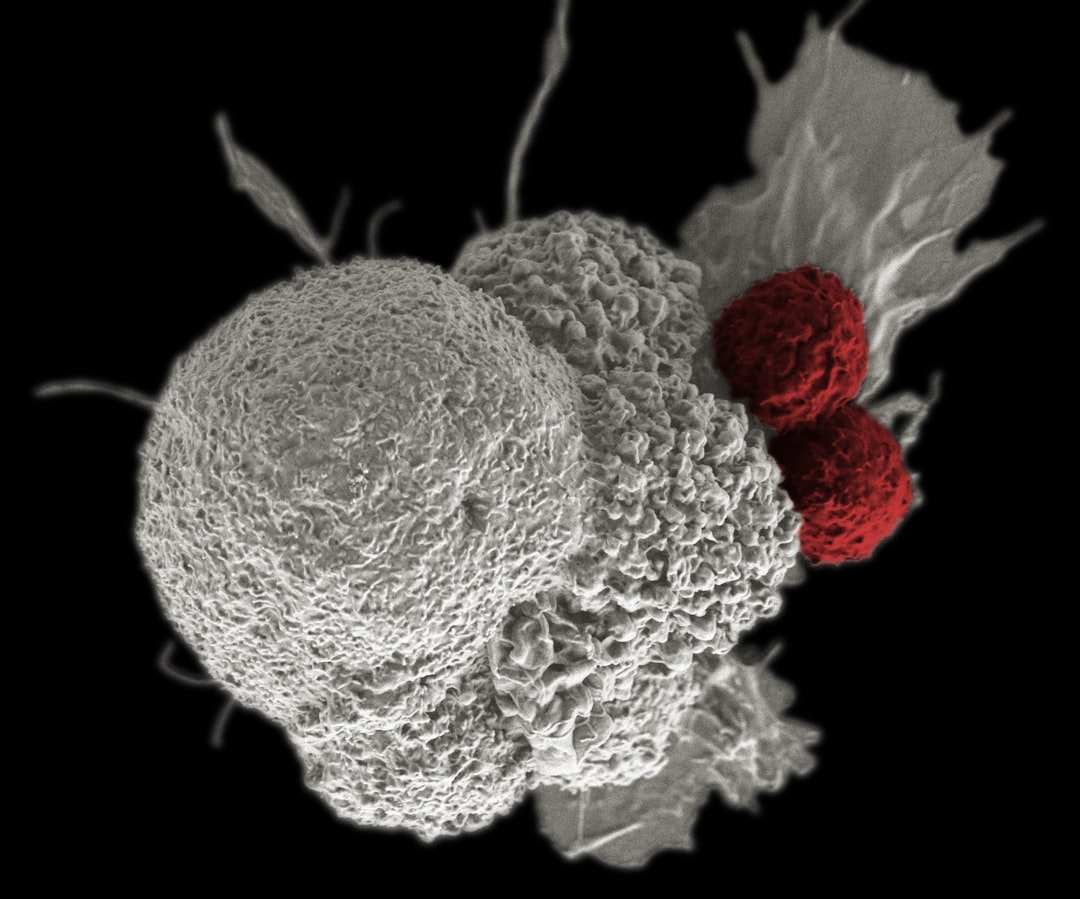
Melanoma staging is a critical process in the management of melanoma, a malignant neoplasm originating from melanocytes, the pigment-producing cells in the skin. Staging involves determining the extent of the disease, including the size of the primary tumor, the involvement of regional lymph nodes, and the presence of distant metastases. This classification is essential for guiding treatment decisions, predicting outcomes, and facilitating communication among healthcare providers.
The American Joint Committee on Cancer (AJCC) provides a widely accepted staging system that categorizes melanoma into stages I through IV based on specific criteria. The staging process utilizes various diagnostic tools, including physical examinations, imaging studies, and histopathological evaluations. The information gathered during staging helps clinicians assess the aggressiveness of the melanoma and tailor treatment plans accordingly.
Accurate staging is paramount, as it directly influences prognosis and survival rates. For instance, early-stage melanomas (stages I and II) have significantly higher survival rates compared to advanced stages (III and IV), where the disease has spread beyond the primary site.
Key Takeaways
- Melanoma staging is a process used to determine the extent of the cancer and guide treatment decisions.
- Staging is crucial in melanoma diagnosis as it helps doctors understand the severity of the cancer and plan the most effective treatment.
- Melanoma is staged based on tumor thickness, ulceration, lymph node involvement, and metastasis.
- Understanding tumor thickness and ulceration is important in determining the stage of melanoma and predicting prognosis.
- Regular follow-up and monitoring are essential for melanoma patients to track the progression of the disease and ensure timely intervention.
The Importance of Staging in Melanoma Diagnosis
Staging plays a pivotal role in melanoma diagnosis as it informs both the clinician and the patient about the severity of the disease. Understanding the stage of melanoma allows for a more precise prognosis and helps in formulating an effective treatment strategy. For example, patients diagnosed with stage I melanoma typically have a 5-year survival rate exceeding 90%, while those with stage IV melanoma face a starkly reduced survival rate, often below 20%.
This stark contrast underscores the necessity of early detection and intervention. Moreover, staging aids in clinical trial eligibility. Many clinical trials for novel therapies require participants to be within specific stages of melanoma to ensure that results are applicable to similar patient populations.
By accurately staging melanoma, patients can access cutting-edge treatments that may improve their outcomes. Additionally, staging facilitates communication among healthcare providers, ensuring that all members of the care team are aligned in their approach to treatment and follow-up care.
How is Melanoma Staged?

The staging of melanoma is primarily based on the TNM classification system, which evaluates three key components: Tumor (T), Node (N), and Metastasis (M). The “T” category assesses the size and depth of the primary tumor, with deeper tumors indicating a more advanced stage. The “N” category evaluates whether cancer has spread to regional lymph nodes, while the “M” category determines if there are distant metastases to other organs.
To accurately stage melanoma, healthcare providers may employ various diagnostic modalities. A thorough physical examination is often the first step, followed by imaging studies such as ultrasound, computed tomography (CT), or magnetic resonance imaging (MRI) to assess lymph node involvement and detect any distant spread. A biopsy of the primary tumor is essential for histological evaluation, providing critical information about tumor thickness and ulceration status.
The results from these assessments are then integrated to assign an overall stage to the melanoma.
The Four Stages of Melanoma
| Stage | Description | Survival Rate |
|---|---|---|
| Stage 0 | Also known as melanoma in situ, where the cancer is only in the outer layer of skin | Almost 100% |
| Stage I | The cancer has not spread beyond the original site and is less than 2mm thick | Around 95-100% |
| Stage II | The cancer is thicker than 2mm and may have spread to the lower layer of skin | 60-80% |
| Stage III | The cancer has spread to the lymph nodes or nearby skin | 40-70% |
| Stage IV | The cancer has spread to other organs or distant lymph nodes | 15-20% |
Melanoma is classified into four distinct stages, each representing a different level of disease progression. – **Stage I**: This stage is characterized by localized tumors that are less than 2 mm thick and have not spread to lymph nodes or distant sites. Patients typically experience excellent prognoses with a high likelihood of successful treatment outcomes.
– **Stage II**: In this stage, tumors may be thicker than 2 mm and can exhibit ulceration. However, there is still no evidence of lymph node involvement or distant metastasis. The prognosis remains favorable but requires careful monitoring due to increased tumor thickness.
– **Stage III**: At this stage, melanoma has spread to regional lymph nodes but has not metastasized to distant organs. The presence of cancer in lymph nodes significantly impacts prognosis and necessitates more aggressive treatment options. – **Stage IV**: This advanced stage indicates that melanoma has metastasized to distant organs such as the lungs, liver, or brain.
The prognosis is considerably poorer at this stage, with treatment options focusing on systemic therapies rather than localized interventions.
Understanding Tumor Thickness and Ulceration
Tumor thickness is a crucial factor in melanoma staging and prognosis. Measured using the Breslow depth scale, it quantifies how deep the tumor penetrates into the skin layers. Thicker tumors are associated with a higher risk of metastasis and poorer outcomes.
For instance, tumors measuring less than 1 mm in thickness have a significantly better prognosis compared to those exceeding 4 mm. Ulceration status also plays a vital role in determining prognosis. An ulcerated melanoma indicates that the tumor has broken through the skin surface, which is associated with a more aggressive disease course.
The presence of ulceration can elevate a tumor’s stage even if its thickness remains unchanged, highlighting its importance in risk stratification.
The Role of Lymph Node Involvement in Staging
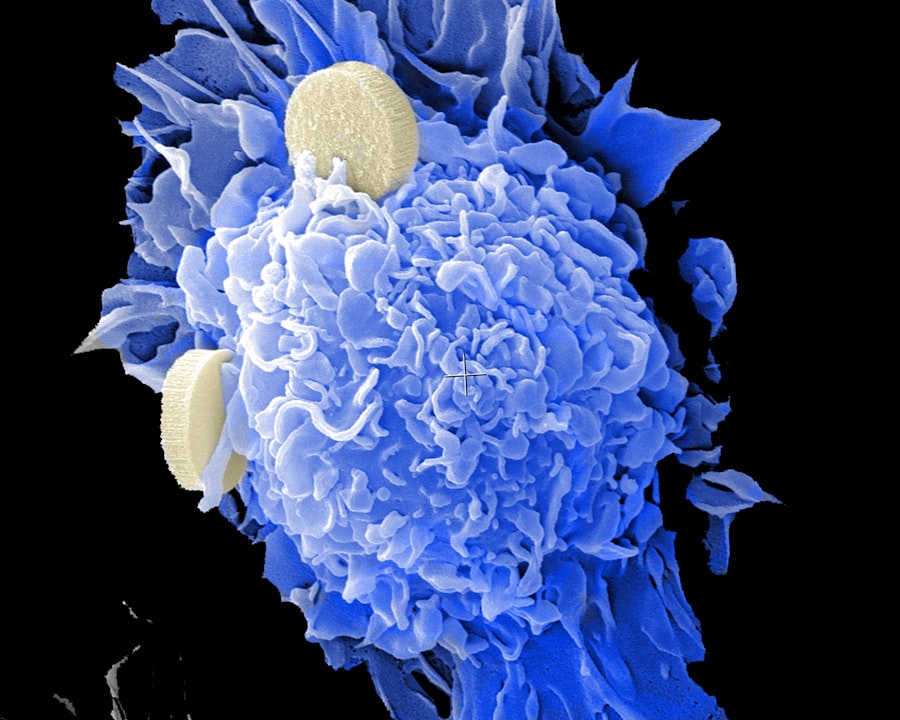
Lymph node involvement is a critical determinant in melanoma staging and significantly influences treatment decisions and prognostic outcomes.
The presence of cancerous cells in lymph nodes can be assessed through sentinel lymph node biopsy (SLNB), a procedure that identifies the first lymph node(s) draining the tumor site.
If cancer is detected in sentinel nodes, further evaluation may be warranted to determine the extent of lymphatic spread. This information is crucial for staging; for example, patients with positive sentinel nodes are classified as stage III melanoma. Treatment options may include surgical removal of affected lymph nodes or adjuvant therapies such as immunotherapy or targeted therapy to reduce recurrence risk.
Metastasis and its Impact on Melanoma Staging
Metastasis represents the most advanced stage of melanoma and has profound implications for patient management.
Metastatic melanoma poses significant challenges due to its aggressive nature and resistance to conventional therapies.
The presence of metastases can be evaluated through imaging studies such as CT scans or PET scans, which help identify affected organs and guide treatment planning. Systemic therapies become paramount at this stage, with options including immune checkpoint inhibitors like pembrolizumab or nivolumab, targeted therapies such as BRAF inhibitors for BRAF-mutated tumors, and chemotherapy in select cases.
Prognosis and Treatment Options Based on Staging
Prognosis in melanoma is closely tied to its stage at diagnosis. Early-stage melanomas (stages I and II) generally have excellent prognoses with high survival rates following surgical excision. In contrast, advanced stages (III and IV) present more complex challenges requiring multidisciplinary approaches.
Treatment options vary significantly based on staging. For localized melanomas, surgical excision remains the cornerstone of therapy. In cases where lymph node involvement is detected (stage III), adjuvant therapies may be recommended to reduce recurrence risk.
For metastatic melanoma (stage IV), systemic therapies such as immunotherapy or targeted therapy are often employed to manage disease progression.
The Importance of Regular Follow-Up and Monitoring
Regular follow-up and monitoring are essential components of melanoma management post-diagnosis and treatment. Patients with a history of melanoma are at increased risk for recurrence or development of new primary melanomas; thus, consistent dermatological evaluations are crucial for early detection. Follow-up schedules typically involve clinical examinations every three to six months for the first few years post-treatment, transitioning to annual evaluations thereafter.
Patients should also be educated on self-examination techniques to identify any new or changing lesions promptly.
How to Advocate for Yourself in the Staging Process
Self-advocacy is vital during the staging process for melanoma patients. Individuals should actively engage with their healthcare providers by asking questions about their diagnosis, staging results, and treatment options. It is essential to understand the implications of each stage on prognosis and treatment strategies.
Patients should also seek second opinions if uncertain about their diagnosis or treatment plan. Keeping detailed records of medical history, test results, and treatment responses can empower patients during discussions with their healthcare team.
Resources for Patients and Support Networks
Numerous resources are available for patients navigating melanoma diagnosis and treatment. Organizations such as the Melanoma Research Foundation and the American Cancer Society provide valuable information on staging, treatment options, clinical trials, and support networks. Support groups can also offer emotional assistance during challenging times.
Connecting with others who have experienced similar journeys can provide comfort and practical advice on managing life post-diagnosis. In summary, understanding melanoma staging is crucial for effective diagnosis and treatment planning. Accurate staging informs prognosis and guides therapeutic decisions while emphasizing the importance of early detection through regular monitoring.
Patients should actively engage in their care process by advocating for themselves and utilizing available resources for support and information.
When it comes to melanoma staging, it is crucial to understand the different stages of this type of skin cancer in order to determine the best course of treatment. One related article that provides valuable information on this topic is “Creating the Ultimate Christmas List”. This article discusses the importance of making a thoughtful and comprehensive list of gifts for loved ones during the holiday season. Just as creating a detailed Christmas list can help ensure that everyone receives the perfect gift, understanding melanoma staging can help healthcare professionals provide the most effective care for patients with this type of cancer.
FAQs
What is melanoma staging?
Melanoma staging is a system used to determine the extent and severity of melanoma, a type of skin cancer. Staging helps doctors plan the most appropriate treatment and predict the patient’s prognosis.
How is melanoma staged?
Melanoma is staged using the TNM system, which takes into account the size and depth of the tumor (T), whether the cancer has spread to nearby lymph nodes (N), and whether it has metastasized to other parts of the body (M).
What are the stages of melanoma?
Melanoma is staged from 0 to IV, with stage 0 being the earliest and most treatable form, and stage IV being the most advanced and difficult to treat. Each stage is further divided into sub-stages based on specific criteria.
Why is melanoma staging important?
Staging helps doctors determine the best treatment approach for each patient, as well as provide a prognosis. It also allows for consistent communication among healthcare providers and helps researchers study the outcomes of different treatments.
Can melanoma staging change over time?
Yes, melanoma staging can change over time as the cancer progresses or responds to treatment. It’s important for patients to have regular follow-up appointments to monitor any changes in their staging.