Now Reading: The Power of Docetaxel: A Cancer-Fighting Marvel
-
01
The Power of Docetaxel: A Cancer-Fighting Marvel
The Power of Docetaxel: A Cancer-Fighting Marvel

Docetaxel is a chemotherapeutic agent classified as a taxane, derived from the needles of the European yew tree (Taxus baccata). It is primarily utilized in oncology for the treatment of various malignancies, including breast, lung, prostate, and gastric cancers. The drug functions by disrupting the normal process of cell division, specifically targeting the mitotic spindle apparatus.
By stabilizing microtubules, Docetaxel prevents their depolymerization, effectively halting the progression of cancer cells through the cell cycle. This mechanism leads to apoptosis, or programmed cell death, thereby reducing tumor size and inhibiting further growth. The pharmacokinetics of Docetaxel reveal its rapid distribution throughout the body, with peak plasma concentrations occurring within minutes of administration.
The drug is metabolized primarily in the liver via cytochrome P450 enzymes, particularly CYP3A4. Its elimination half-life ranges from 11 to 50 hours, depending on individual patient factors such as liver function and concurrent medications. Understanding these pharmacological properties is crucial for optimizing treatment regimens and minimizing adverse effects.
Key Takeaways
- Docetaxel is a chemotherapy medication used to treat various types of cancer by interfering with the growth and spread of cancer cells.
- Discovered in the 1980s, docetaxel has since become a medical breakthrough in the treatment of breast, lung, prostate, and other types of cancer.
- Docetaxel’s mechanism of action involves targeting and disrupting the microtubules in cancer cells, ultimately leading to cell death.
- Clinical trials and research studies have shown the efficacy of docetaxel in improving survival rates and reducing tumor size in cancer patients.
- While docetaxel can have side effects, its combination with other cancer treatments has shown synergistic effects and improved patient outcomes.
The History of Docetaxel: From Discovery to Medical Breakthrough
Discovery and Initial Studies
The journey of Docetaxel began in the late 1980s when researchers at the French pharmaceutical company Rhône-Poulenc Rorer (now part of Sanofi) isolated the compound from the Pacific yew tree (Taxus brevifolia). Initial studies demonstrated its potent antitumor activity, leading to extensive preclinical testing.
Approval and Expansion of Indications
In 1994, Docetaxel received its first approval from the European Medicines Agency (EMA) for treating breast cancer after failure of prior chemotherapy regimens. This marked a significant milestone in cancer therapeutics, as it provided oncologists with a new weapon against a disease that had limited treatment options.
Global Recognition and Impact
In 2004, it gained approval from the U.S.
The drug’s ability to improve survival rates and quality of life for patients has made it a cornerstone in cancer treatment protocols worldwide.
Docetaxel’s Role in Treating Various Types of Cancer

Docetaxel has established itself as a critical component in the management of several cancer types. In breast cancer, it is often administered as part of adjuvant therapy following surgery to reduce recurrence risk. Clinical studies have shown that patients receiving Docetaxel exhibit improved disease-free survival compared to those treated with standard regimens alone.
In prostate cancer, particularly hormone-refractory cases, Docetaxel has demonstrated significant survival benefits when combined with prednisone. In addition to breast and prostate cancers, Docetaxel is also utilized in treating non-small cell lung cancer (NSCLC) and gastric adenocarcinoma. For NSCLC, it is frequently used in combination with cisplatin or carboplatin to enhance therapeutic efficacy.
The drug’s versatility extends to head and neck cancers as well, where it is incorporated into multimodal treatment approaches. The broad applicability of Docetaxel underscores its importance in contemporary oncology.
The Mechanism of Action: How Docetaxel Targets Cancer Cells
| Aspect | Details |
|---|---|
| Drug Name | Docetaxel |
| Target | Cancer Cells |
| Mechanism of Action | Docetaxel interferes with the normal function of microtubules, which are essential for cell division. It promotes the assembly of microtubules and inhibits their disassembly, leading to cell cycle arrest and ultimately cell death. |
| Effectiveness | Docetaxel has shown effectiveness in treating various types of cancer, including breast cancer, lung cancer, prostate cancer, and others. |
The mechanism by which Docetaxel exerts its antitumor effects is multifaceted and primarily revolves around its interaction with microtubules. Microtubules are essential components of the cytoskeleton that play a critical role in maintaining cell shape and facilitating intracellular transport. During mitosis, microtubules form the mitotic spindle, which segregates chromosomes into daughter cells.
Docetaxel binds to the β-tubulin subunit of microtubules, promoting their stabilization and preventing depolymerization. This stabilization results in the formation of abnormal microtubule structures that disrupt normal mitotic processes. Consequently, cells are unable to complete division, leading to cell cycle arrest at the metaphase stage.
The accumulation of these aberrant structures triggers cellular stress responses and ultimately induces apoptosis through various signaling pathways, including those involving p53 and caspases. This targeted action on rapidly dividing cancer cells makes Docetaxel an effective therapeutic agent.
The Efficacy of Docetaxel in Clinical Trials and Research Studies
Numerous clinical trials have evaluated the efficacy of Docetaxel across different cancer types, providing robust evidence for its therapeutic benefits. In breast cancer, pivotal studies such as the TAX316 trial demonstrated that patients receiving Docetaxel had a significantly higher overall response rate compared to those treated with standard anthracycline-based regimens. Similarly, in prostate cancer, the TAX327 trial established that Docetaxel combined with prednisone improved overall survival compared to mitoxantrone.
In lung cancer research, trials like the TAXPOT study have shown that Docetaxel combined with platinum-based chemotherapy yields superior outcomes compared to single-agent therapies. Ongoing research continues to explore novel combinations and dosing strategies to enhance efficacy while minimizing toxicity. The wealth of data supporting Docetaxel’s use underscores its status as a foundational agent in modern oncology.
Managing Side Effects: The Impact of Docetaxel on Patients’ Quality of Life
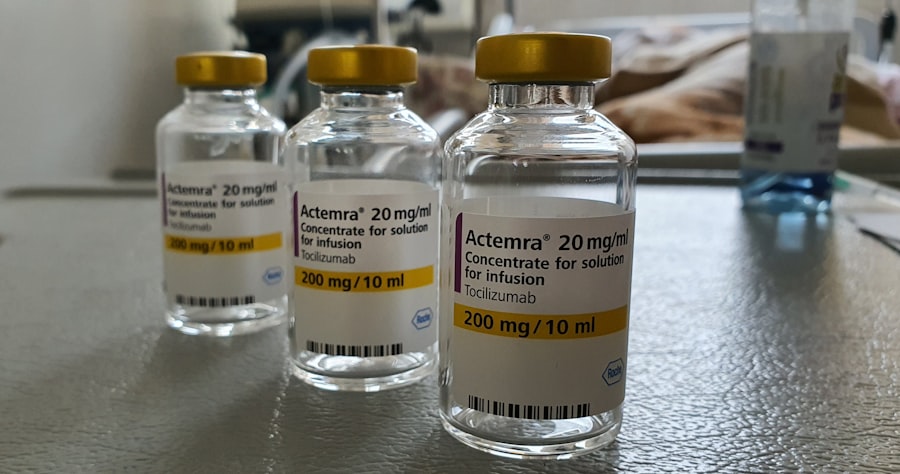
While Docetaxel is effective in treating various cancers, it is not without side effects that can significantly impact patients’ quality of life. Common adverse effects include neutropenia, fatigue, alopecia, nausea, and peripheral neuropathy. Neutropenia, characterized by a decrease in white blood cell count, increases the risk of infections and may necessitate dose adjustments or supportive care measures such as granulocyte colony-stimulating factors (G-CSF).
Fatigue is another prevalent side effect that can hinder daily activities and diminish overall well-being. Patients may experience varying degrees of fatigue that persist even after treatment completion. Effective management strategies include counseling on energy conservation techniques and incorporating physical activity tailored to individual capabilities.
Additionally, supportive care measures such as antiemetics can alleviate nausea and vomiting associated with chemotherapy.
Combining Docetaxel with Other Cancer Treatments: Synergistic Effects
The integration of Docetaxel with other therapeutic modalities has been a focal point in enhancing treatment outcomes for cancer patients. Combination therapy often leverages synergistic effects to maximize tumor response while minimizing resistance development. For instance, combining Docetaxel with platinum-based agents like cisplatin or carboplatin has shown improved efficacy in non-small cell lung cancer.
Moreover, targeted therapies such as trastuzumab for HER2-positive breast cancer can be effectively combined with Docetaxel to enhance antitumor activity. Ongoing research is exploring combinations with immunotherapies as well, aiming to harness the immune system’s potential alongside traditional chemotherapeutic approaches. These synergistic strategies represent a promising avenue for improving patient outcomes and expanding treatment options.
Docetaxel’s Role in Palliative Care: Improving Symptoms and Quality of Life
In addition to its curative intent in certain malignancies, Docetaxel plays a vital role in palliative care settings where the focus shifts toward symptom management and quality of life enhancement. For patients with advanced-stage cancers experiencing significant symptom burden, such as pain or obstructive symptoms due to tumor growth, Docetaxel can provide relief by reducing tumor size and alleviating associated discomfort. Palliative chemotherapy with Docetaxel may improve functional status and overall well-being for patients who may not be candidates for curative treatments.
By addressing symptoms such as dyspnea or dysphagia through tumor reduction, healthcare providers can enhance patients’ quality of life during their cancer journey.
The Future of Docetaxel: Ongoing Research and Potential Developments
The future landscape of Docetaxel is poised for innovation as ongoing research seeks to optimize its use further. Investigations into personalized medicine approaches aim to identify biomarkers that predict response to Docetaxel therapy, allowing for tailored treatment strategies based on individual patient characteristics. Additionally, studies are exploring novel formulations and delivery methods to enhance drug efficacy while minimizing side effects.
Combination therapies involving immunotherapy agents are also under investigation, with early results suggesting potential synergistic effects that could revolutionize treatment paradigms for various cancers. As research continues to evolve, the role of Docetaxel may expand further into new indications and treatment settings.
Access to Docetaxel: Availability, Affordability, and Global Impact
Access to Docetaxel remains a critical consideration in global health initiatives aimed at improving cancer care outcomes. While it is widely available in many developed countries, disparities exist in access within low- and middle-income nations due to cost barriers and healthcare infrastructure limitations. Efforts are underway to address these challenges through initiatives promoting generic formulations and equitable distribution channels.
Affordability remains a pressing issue; however, various organizations are advocating for policies that enhance access to essential cancer medications like Docetaxel. By ensuring availability across diverse populations, healthcare systems can work towards reducing disparities in cancer treatment outcomes globally.
Patient Stories: The Real-Life Impact of Docetaxel on Cancer Treatment and Survival
Patient narratives provide invaluable insights into the real-life impact of Docetaxel on cancer treatment journeys. Many individuals have shared their experiences of resilience and hope following treatment with this chemotherapeutic agent. For instance, a breast cancer survivor recounts how Docetaxel played a pivotal role in her recovery after surgery, allowing her to return to her daily life with renewed vigor.
Similarly, prostate cancer patients have expressed gratitude for the extended survival afforded by Docetaxel therapy, enabling them to spend precious moments with loved ones while managing their condition effectively. These personal stories highlight not only the clinical efficacy of Docetaxel but also its profound emotional impact on patients navigating their cancer journeys. In summary, Docetaxel represents a significant advancement in cancer treatment due to its unique mechanism of action and broad applicability across various malignancies.
Its history reflects a journey from discovery to clinical implementation that has transformed patient outcomes significantly. Ongoing research continues to explore innovative combinations and personalized approaches that may further enhance its efficacy while addressing side effects effectively. Access remains a critical issue globally; however, patient stories underscore the transformative impact this drug has had on countless lives facing cancer diagnoses.
Docetaxel is a chemotherapy drug commonly used to treat various types of cancer. According to a recent article on Boogger.com, some celebrities have publicly shared their experiences with cancer treatments, including docetaxel. This article sheds light on the challenges faced by individuals undergoing chemotherapy and the importance of raising awareness about cancer treatment options.
FAQs
What is docetaxel?
Docetaxel is a chemotherapy medication that is used to treat various types of cancer, including breast cancer, lung cancer, prostate cancer, and certain types of stomach, head, and neck cancers.
How does docetaxel work?
Docetaxel works by interfering with the growth and spread of cancer cells in the body. It belongs to a class of medications known as taxanes, which work by inhibiting the microtubules in cancer cells, preventing them from dividing and growing.
What are the common side effects of docetaxel?
Common side effects of docetaxel may include nausea, vomiting, diarrhea, fatigue, hair loss, mouth sores, and changes in taste. It can also cause a decrease in white blood cell count, which can increase the risk of infection.
How is docetaxel administered?
Docetaxel is typically administered intravenously, either as a short infusion or as a longer infusion over several hours. The specific dosage and administration schedule will depend on the type of cancer being treated and the individual patient’s condition.
Are there any precautions or considerations when taking docetaxel?
Patients taking docetaxel should be closely monitored for potential side effects, and may require additional medications to manage these side effects. It is important for patients to discuss any existing medical conditions or medications with their healthcare provider before starting docetaxel treatment.