Now Reading: The Silent Threat: Understanding Heart Cancer
-
01
The Silent Threat: Understanding Heart Cancer
The Silent Threat: Understanding Heart Cancer
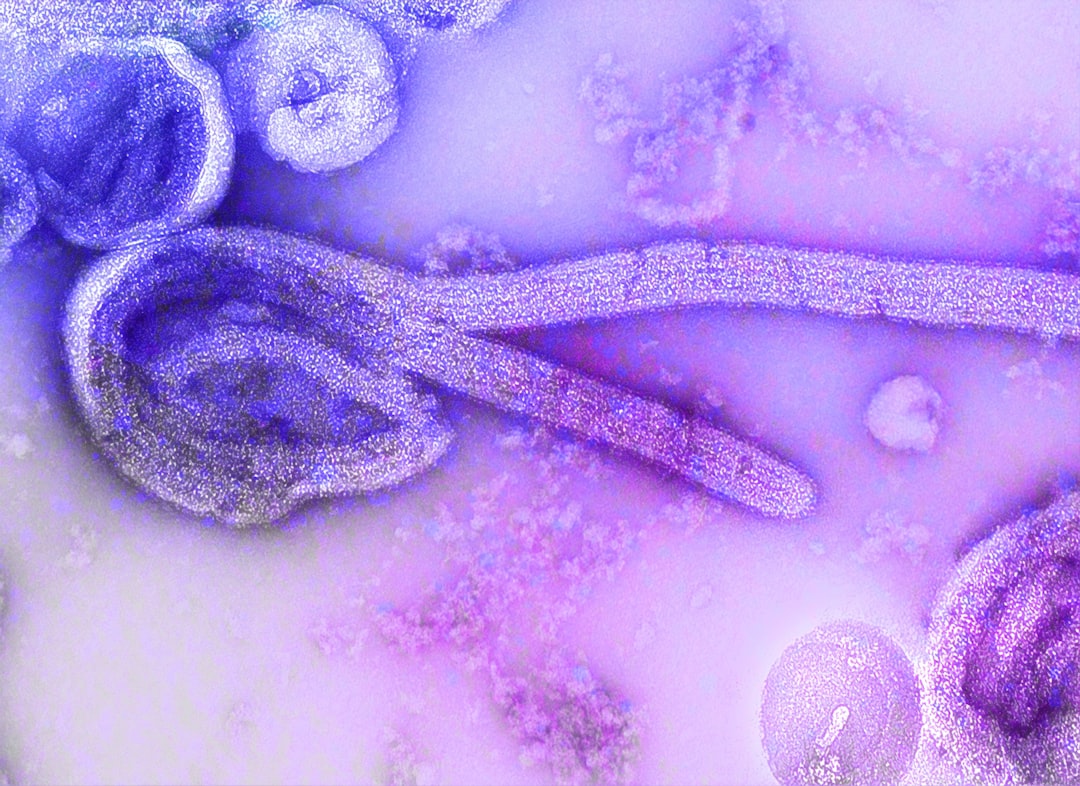
Heart cancer, medically referred to as primary cardiac tumors, is an exceedingly rare malignancy that originates within the heart tissue itself. Unlike secondary tumors, which metastasize from other parts of the body, primary cardiac tumors account for less than 0.3% of all cancers diagnosed. The most common type of heart cancer is a benign tumor known as myxoma, while malignant forms, such as sarcomas, are significantly less frequent.
The rarity of this condition often leads to challenges in diagnosis and treatment, as many healthcare professionals may not encounter it frequently in their practice. The heart, a vital organ responsible for pumping blood throughout the body, is composed of various tissues, including muscle, connective tissue, and endothelial cells. When cancerous cells develop in these tissues, they can disrupt normal cardiac function, leading to severe health complications.
Understanding the intricacies of heart cancer is crucial for early detection and effective management. This article delves into the causes, symptoms, diagnosis, treatment options, and ongoing research related to this rare but serious condition.
Key Takeaways
- Heart cancer is a rare type of cancer that originates in the tissues of the heart.
- The exact causes of heart cancer are not well understood, but it is believed to be linked to genetic mutations and exposure to certain chemicals or radiation.
- Symptoms of heart cancer may include chest pain, irregular heartbeat, and shortness of breath.
- Diagnosis of heart cancer often involves imaging tests such as MRI or CT scans, and a biopsy to confirm the presence of cancer cells.
- Treatment options for heart cancer may include surgery, chemotherapy, radiation therapy, and targeted drug therapy, depending on the stage and location of the cancer.
Understanding the Causes of Heart Cancer
The etiology of heart cancer remains largely elusive due to its rarity. However, several factors have been identified that may contribute to the development of primary cardiac tumors. Genetic predispositions play a significant role; certain hereditary syndromes, such as Li-Fraumeni syndrome and neurofibromatosis type 1, have been associated with an increased risk of developing sarcomas in the heart.
Additionally, exposure to environmental carcinogens, such as radiation or certain chemicals, may also elevate the likelihood of tumor formation. Chronic inflammatory conditions affecting the heart may also serve as precursors to malignancy. For instance, conditions like rheumatic fever or chronic pericarditis can lead to structural changes in cardiac tissue that may predispose individuals to tumor development.
Furthermore, age is a notable risk factor; while heart cancer can occur at any age, it is more commonly diagnosed in adults over 50 years old. Understanding these potential causes is essential for identifying at-risk populations and implementing preventive measures.
Symptoms and Signs of Heart Cancer
The clinical presentation of heart cancer can be insidious and often mimics other cardiovascular conditions, making early diagnosis challenging. Common symptoms include unexplained fatigue, shortness of breath (dyspnea), and chest pain. Patients may also experience palpitations or irregular heartbeats (arrhythmias) due to the tumor’s interference with normal electrical conduction within the heart.
In some cases, individuals may present with systemic symptoms such as weight loss or fever, which can further complicate the diagnostic process. As the tumor grows, it may obstruct blood flow or invade surrounding structures, leading to more severe manifestations like heart failure or embolic events. Recognizing these signs early is crucial for timely intervention and improved outcomes.
Diagnosis and Screening for Heart Cancer
| Diagnosis and Screening for Heart Cancer | Metrics |
|---|---|
| Imaging Tests | CT scan, MRI, PET scan |
| Blood Tests | Cardiac biomarkers, genetic testing |
| Biopsy | Tissue sample analysis |
| Electrocardiogram (ECG) | Measures heart’s electrical activity |
| Echocardiogram | Ultrasound of the heart |
Diagnosing heart cancer requires a multifaceted approach that often begins with a thorough medical history and physical examination. Healthcare providers may utilize imaging techniques such as echocardiography, magnetic resonance imaging (MRI), or computed tomography (CT) scans to visualize cardiac structures and identify any abnormal masses. Echocardiography is particularly valuable due to its ability to assess cardiac function and blood flow dynamics.
In some instances, a biopsy may be necessary to confirm the diagnosis. This procedure involves obtaining a tissue sample from the tumor for histopathological examination. Advanced imaging modalities like positron emission tomography (PET) scans can also aid in determining the tumor’s metabolic activity and potential metastasis.
Early and accurate diagnosis is paramount in formulating an effective treatment plan.
Treatment Options for Heart Cancer
The treatment of heart cancer is highly individualized and depends on various factors, including tumor type, size, location, and the patient’s overall health status. Surgical resection remains the primary treatment modality for localized tumors. Myxomas are typically excised through open-heart surgery with favorable outcomes; however, malignant tumors may require more extensive surgical intervention.
In cases where surgery is not feasible due to tumor location or patient comorbidities, adjuvant therapies such as chemotherapy or radiation therapy may be employed. Chemotherapeutic agents like doxorubicin have shown efficacy in treating certain types of sarcomas; however, their use must be carefully considered due to potential cardiotoxicity. Targeted therapies and immunotherapy are emerging fields that hold promise for future treatment options.
Risk Factors for Developing Heart Cancer

Several risk factors have been identified that may increase an individual’s likelihood of developing heart cancer. Genetic predispositions are significant; individuals with family histories of certain cancers or genetic syndromes are at heightened risk. Additionally, exposure to environmental toxins such as asbestos or certain industrial chemicals has been implicated in tumor development.
Chronic inflammatory diseases affecting the heart can also serve as risk factors. Conditions like systemic lupus erythematosus or rheumatoid arthritis may contribute to an increased incidence of cardiac tumors due to ongoing inflammation and tissue remodeling. Lifestyle factors such as smoking and obesity have been associated with various malignancies and may also play a role in heart cancer risk.
Prognosis and Survival Rates for Heart Cancer
The prognosis for individuals diagnosed with heart cancer varies significantly based on several factors, including tumor type and stage at diagnosis. Benign tumors like myxomas generally have an excellent prognosis following surgical removal, with survival rates exceeding 90%. In contrast, malignant tumors such as sarcomas tend to have poorer outcomes due to their aggressive nature and potential for metastasis.
Survival rates for malignant cardiac tumors are generally lower; studies indicate a five-year survival rate ranging from 20% to 50%, depending on various factors such as tumor grade and response to treatment. Ongoing research aims to improve prognostic models and identify biomarkers that can aid in predicting outcomes for patients with heart cancer.
Prevention and Lifestyle Changes to Reduce the Risk of Heart Cancer
While definitive prevention strategies for heart cancer remain elusive due to its rarity, certain lifestyle modifications may help reduce overall cancer risk. Maintaining a healthy weight through regular physical activity and a balanced diet rich in fruits, vegetables, whole grains, and lean proteins can contribute to overall well-being and potentially lower cancer risk. Avoiding exposure to known carcinogens is also crucial; individuals should limit contact with harmful substances such as tobacco smoke and industrial chemicals whenever possible.
Regular medical check-ups can facilitate early detection of any underlying conditions that may predispose individuals to cardiac tumors.
The Role of Genetics in Heart Cancer
Genetic factors play a pivotal role in the development of heart cancer, particularly in individuals with hereditary syndromes that predispose them to malignancies.
Genetic counseling and testing can be beneficial for individuals with a family history of cancer or those exhibiting symptoms suggestive of hereditary syndromes.
Identifying genetic predispositions allows for tailored surveillance strategies and early intervention measures that can improve outcomes for at-risk individuals.
Support and Resources for Individuals and Families Affected by Heart Cancer
Navigating a diagnosis of heart cancer can be overwhelming for patients and their families. Support networks play a crucial role in providing emotional assistance and practical resources during this challenging time. Organizations such as the American Cancer Society offer comprehensive support services, including counseling, educational materials, and access to clinical trials.
Additionally, local support groups provide opportunities for individuals affected by heart cancer to connect with others facing similar challenges. These groups foster a sense of community and understanding while offering valuable insights into coping strategies and treatment options.
Research and Advances in the Treatment of Heart Cancer
Ongoing research into heart cancer aims to enhance understanding of its biology and improve treatment outcomes. Recent advances in molecular profiling have enabled researchers to identify specific genetic mutations associated with various cardiac tumors, paving the way for targeted therapies that can more effectively combat malignancy. Clinical trials investigating novel therapeutic agents are underway, exploring options such as immunotherapy and personalized medicine approaches tailored to individual tumor characteristics.
As research continues to evolve, there is hope for improved treatment modalities that will enhance survival rates and quality of life for patients diagnosed with this rare form of cancer. In summary, heart cancer remains a rare but serious condition that necessitates awareness among healthcare providers and patients alike. Understanding its causes, symptoms, diagnostic methods, treatment options, and ongoing research efforts is essential for improving outcomes in affected individuals.
By fostering awareness and promoting preventive measures, we can work towards reducing the incidence of this challenging malignancy while supporting those impacted by it through comprehensive resources and care strategies.
Heart cancer is a rare form of cancer that affects the tissues of the heart. According to a recent article on Boogger, federal government employees may be interested in knowing how holidays can impact their work schedule. This guide provides information on federal government holidays and how they may affect employees’ time off. For more information, you can check out the article here.
FAQs
What is heart cancer?
Heart cancer, also known as primary cardiac tumor, is a rare type of cancer that originates in the tissues of the heart. It can be either benign (non-cancerous) or malignant (cancerous).
What are the symptoms of heart cancer?
The symptoms of heart cancer can vary depending on the location and size of the tumor, but may include chest pain, shortness of breath, palpitations, fatigue, and fluid retention.
What causes heart cancer?
The exact cause of heart cancer is not well understood. However, risk factors for developing heart cancer may include genetic predisposition, exposure to radiation, and certain genetic syndromes.
How is heart cancer diagnosed?
Heart cancer is typically diagnosed through imaging tests such as echocardiograms, CT scans, and MRI scans. A biopsy may also be performed to confirm the diagnosis.
What are the treatment options for heart cancer?
Treatment for heart cancer may include surgery to remove the tumor, chemotherapy, radiation therapy, and targeted therapy. The specific treatment plan will depend on the type and stage of the cancer.
What is the prognosis for heart cancer?
The prognosis for heart cancer is generally poor, as it is often diagnosed at an advanced stage. The outlook will depend on the type of tumor, its size, and whether it has spread to other parts of the body.