Now Reading: Understanding Adrenal Gland Cancer: Symptoms and Treatments
-
01
Understanding Adrenal Gland Cancer: Symptoms and Treatments
Understanding Adrenal Gland Cancer: Symptoms and Treatments

Adrenal gland cancer, also known as adrenal cortical carcinoma (ACC), is a rare and aggressive malignancy that originates in the adrenal glands, which are small, triangular-shaped glands located on top of each kidney. These glands play a crucial role in the endocrine system by producing hormones such as cortisol, aldosterone, and adrenaline, which regulate various bodily functions including metabolism, blood pressure, and stress response. The rarity of adrenal gland cancer, with an incidence rate of approximately 1 to 2 cases per million people annually, makes it a challenging condition for both diagnosis and treatment.
The prognosis for patients diagnosed with adrenal gland cancer can vary significantly based on several factors, including the stage of the disease at diagnosis, the tumor’s size, and the patient’s overall health. Early detection is critical for improving outcomes; however, due to the nonspecific nature of symptoms associated with adrenal tumors, many cases are diagnosed at advanced stages. This article aims to provide a comprehensive overview of adrenal gland cancer, including its pathophysiology, clinical manifestations, diagnostic approaches, treatment modalities, and supportive care options.
Key Takeaways
- Adrenal gland cancer is a rare type of cancer that affects the adrenal glands, which are located on top of each kidney.
- The adrenal glands are responsible for producing hormones that regulate metabolism, immune system, blood pressure, and other essential functions in the body.
- Symptoms of adrenal gland cancer may include abdominal pain, weight loss, high blood pressure, and hormonal imbalances.
- Diagnostic tests for adrenal gland cancer may include imaging tests, blood and urine tests, and biopsy to confirm the diagnosis.
- Treatment options for adrenal gland cancer may include surgery, radiation therapy, chemotherapy, targeted therapy, and participation in clinical trials for emerging treatments. Supportive care is also important for patients with adrenal gland cancer.
Understanding the Adrenal Glands and their Function
The adrenal glands consist of two distinct regions: the adrenal cortex and the adrenal medulla. The adrenal cortex is responsible for producing steroid hormones, including glucocorticoids (such as cortisol), mineralocorticoids (such as aldosterone), and androgens. Cortisol plays a vital role in regulating metabolism and immune response, while aldosterone is essential for maintaining electrolyte balance and blood pressure.
The adrenal medulla produces catecholamines, including epinephrine and norepinephrine, which are critical for the body’s fight-or-flight response. Dysfunction in the adrenal glands can lead to various endocrine disorders. For instance, hypersecretion of cortisol can result in Cushing’s syndrome, characterized by obesity, hypertension, and glucose intolerance.
Conversely, insufficient hormone production can lead to Addison’s disease, marked by fatigue, weight loss, and low blood pressure. Understanding the normal physiology of the adrenal glands is essential for recognizing the implications of adrenal gland cancer on hormonal balance and overall health.
Signs and Symptoms of Adrenal Gland Cancer
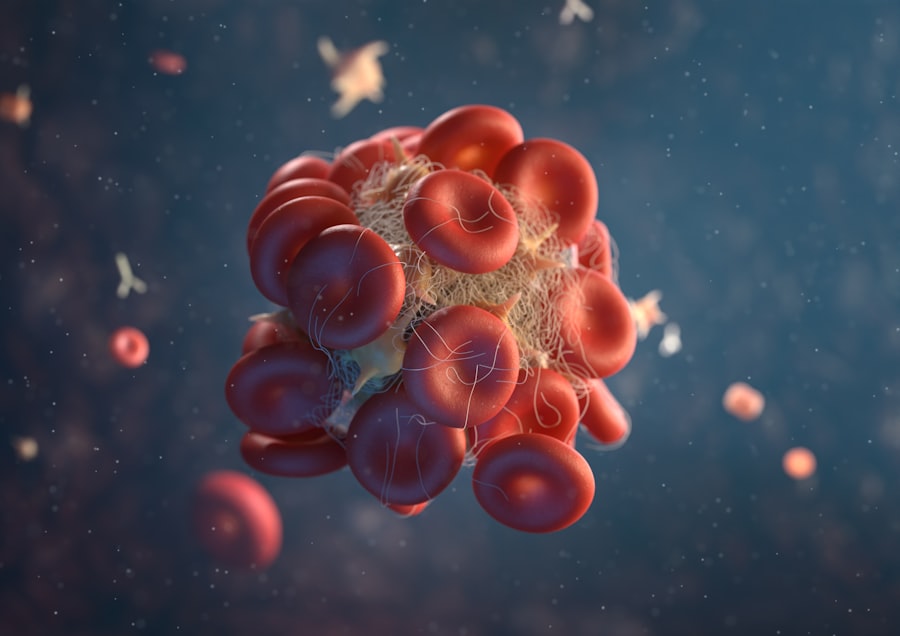
The clinical presentation of adrenal gland cancer can be insidious and often mimics other conditions. Common symptoms may include abdominal pain or discomfort, unexplained weight loss, fatigue, and changes in appetite. Patients may also experience hormonal imbalances due to excessive hormone production by the tumor.
For example, an overproduction of cortisol can lead to Cushing’s syndrome, while excess aldosterone may cause hypertension and hypokalemia. In some cases, patients may present with virilization symptoms due to increased androgen production, resulting in hirsutism (excessive hair growth), acne, or menstrual irregularities in women. Additionally, large tumors may cause palpable abdominal masses or back pain due to local invasion or pressure on surrounding structures.
The nonspecific nature of these symptoms often leads to delays in diagnosis, underscoring the importance of vigilance in recognizing potential signs of adrenal malignancy.
Diagnostic Tests for Adrenal Gland Cancer
| Diagnostic Test | Accuracy | Cost | Availability |
|---|---|---|---|
| Blood tests (e.g. cortisol levels) | High | Low | Widely available |
| Imaging tests (e.g. CT scan, MRI) | Moderate to high | High | Available in most medical centers |
| Biopsy | Definitive but invasive | High | Available in specialized centers |
The diagnostic workup for suspected adrenal gland cancer typically begins with a thorough clinical evaluation and imaging studies. Computed tomography (CT) scans or magnetic resonance imaging (MRI) are commonly employed to visualize the adrenal glands and assess tumor size, location, and any potential metastasis. These imaging modalities provide critical information regarding the characteristics of the tumor, such as whether it is solid or cystic.
Hormonal assays are also essential in diagnosing adrenal gland cancer. Blood tests measuring cortisol levels can help identify hypercortisolism associated with Cushing’s syndrome. Additionally, plasma aldosterone levels and renin activity may be evaluated to assess for primary hyperaldosteronism.
In some cases, a 24-hour urine collection for free cortisol or catecholamines may be performed to further elucidate hormonal dysregulation. A definitive diagnosis often requires histopathological examination through biopsy or surgical resection.
Stages and Prognosis of Adrenal Gland Cancer
Adrenal gland cancer staging is crucial for determining prognosis and guiding treatment decisions. The most widely used staging system is the American Joint Committee on Cancer (AJCC) system, which classifies tumors based on size (T), lymph node involvement (N), and distant metastasis (M). Stage I tumors are confined to the adrenal gland and are typically small ( Treatment Options for Adrenal Gland Cancer
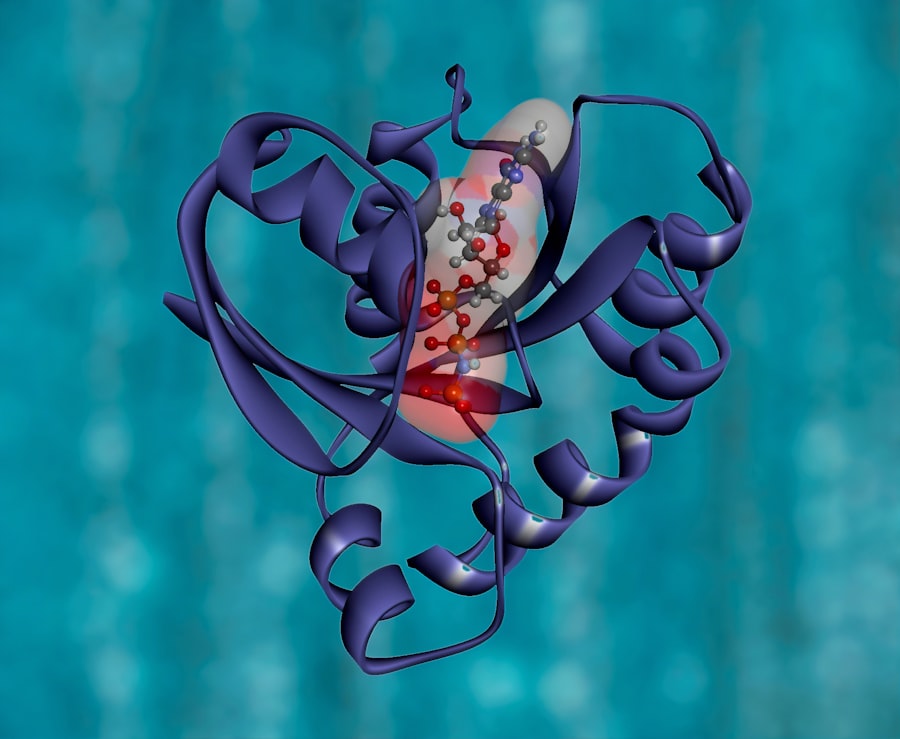
The management of adrenal gland cancer requires a multidisciplinary approach tailored to each patient’s unique circumstances. Treatment options primarily include surgical intervention, radiation therapy, chemotherapy, and targeted therapies. The choice of treatment depends on various factors such as tumor size, stage of disease, and the presence of metastasis.
Surgical resection remains the cornerstone of treatment for localized adrenal tumors. In cases where complete resection is not feasible due to advanced disease or metastasis, adjuvant therapies such as radiation or chemotherapy may be considered to control tumor growth and alleviate symptoms. Emerging therapies targeting specific molecular pathways involved in tumorigenesis are also being explored in clinical trials.
Surgery as a Treatment for Adrenal Gland Cancer
Surgical resection is often the first-line treatment for patients with localized adrenal gland cancer. The primary goal of surgery is to achieve complete removal of the tumor along with a margin of healthy tissue to minimize the risk of recurrence. The surgical approach may vary depending on tumor size and location; laparoscopic techniques are increasingly utilized for smaller tumors due to their minimally invasive nature and quicker recovery times.
In cases where the tumor has invaded surrounding structures or metastasized to lymph nodes or distant organs, more extensive surgical procedures may be necessary. Adrenalectomy—the surgical removal of one or both adrenal glands—can be performed through open or laparoscopic techniques. Postoperative monitoring is essential to assess for complications such as infection or bleeding and to evaluate hormone levels that may require management following gland removal.
Radiation Therapy for Adrenal Gland Cancer
Radiation therapy serves as an adjunctive treatment option for patients with adrenal gland cancer who are not candidates for surgery or have residual disease postoperatively. This modality utilizes high-energy radiation beams to target cancer cells while sparing surrounding healthy tissue. Radiation therapy can be particularly beneficial in managing local recurrence or metastatic disease.
Stereotactic body radiation therapy (SBRT) is a specialized form of radiation that delivers precise doses of radiation to tumors while minimizing exposure to adjacent organs. This technique has shown promise in treating unresectable tumors or those that have recurred after surgery. Additionally, palliative radiation therapy may be employed to alleviate symptoms such as pain associated with metastatic lesions.
Chemotherapy and Targeted Therapy for Adrenal Gland Cancer
Chemotherapy is often reserved for advanced-stage adrenal gland cancer due to its systemic nature and potential side effects. Traditional chemotherapeutic agents such as mitotane have been used specifically for ACC; mitotane acts by inhibiting steroidogenesis and inducing apoptosis in adrenal cortical cells. However, its use requires careful monitoring due to potential toxicity.
Targeted therapies are an emerging area of interest in the treatment of adrenal gland cancer. These therapies aim to disrupt specific molecular pathways involved in tumor growth and progression. For instance, inhibitors targeting the insulin-like growth factor (IGF) pathway have shown promise in preclinical studies.
Ongoing clinical trials are investigating various targeted agents that may offer new hope for patients with advanced disease.
Clinical Trials and Emerging Treatments for Adrenal Gland Cancer
Clinical trials play a pivotal role in advancing our understanding of adrenal gland cancer and developing novel therapeutic strategies. Researchers are continually exploring new agents that target specific genetic mutations or signaling pathways associated with ACParticipation in clinical trials may provide patients access to cutting-edge treatments that are not yet widely available. Emerging treatments under investigation include immunotherapy approaches that harness the body’s immune system to recognize and attack cancer cells.
Additionally, combination therapies that integrate traditional chemotherapy with targeted agents are being evaluated for their potential synergistic effects on tumor control.
Supportive Care for Patients with Adrenal Gland Cancer
Supportive care is an integral component of managing patients with adrenal gland cancer throughout their treatment journey. This encompasses symptom management, psychological support, nutritional counseling, and palliative care services aimed at enhancing quality of life. Addressing physical symptoms such as pain or fatigue is essential for improving overall well-being.
Psychosocial support is equally important; patients may experience anxiety or depression related to their diagnosis and treatment process. Support groups or counseling services can provide valuable resources for coping with emotional challenges. Additionally, nutritional support can help mitigate side effects from treatment while promoting overall health during recovery.
In conclusion, adrenal gland cancer presents significant challenges due to its rarity and aggressive nature. Early detection through awareness of symptoms and appropriate diagnostic testing is crucial for improving outcomes. A multidisciplinary approach encompassing surgery, radiation therapy, chemotherapy, targeted therapies, and supportive care is essential for optimizing patient management.
Ongoing research into emerging treatments offers hope for improved therapeutic options in the future. ### FAQ Section 1. **What causes adrenal gland cancer?**
– The exact cause remains unclear; however, genetic predispositions such as Li-Fraumeni syndrome or Beckwith-Wiedemann syndrome may increase risk.
2. **How common is adrenal gland cancer?**
– It occurs in approximately 1-2 cases per million people annually. 3.
**What are the risk factors associated with adrenal gland cancer?**
– Risk factors include genetic syndromes, obesity, hypertension, and certain endocrine disorders. 4. **Can adrenal gland cancer be prevented?**
– While there is no guaranteed prevention method, maintaining a healthy lifestyle may reduce risk factors associated with hormone-related cancers.
5. **What is the survival rate for adrenal gland cancer?**
– Survival rates vary significantly based on stage; localized disease has a five-year survival rate of 50-70%, while advanced stages have lower rates. 6.
**What should I expect during treatment?**
– Treatment plans vary; patients may experience side effects from surgery or chemotherapy that require management. 7. **Are there any dietary recommendations during treatment?**
– A balanced diet rich in nutrients can support recovery; consulting a nutritionist may provide tailored guidance.
8.
**
– Follow-up schedules depend on individual circumstances but typically involve regular imaging studies and hormonal assessments.
**What support resources are available?**
– Many hospitals offer support groups; online resources can also provide valuable information about coping strategies. 10. **Are there any promising new treatments on the horizon?**
– Ongoing clinical trials are exploring novel therapies including immunotherapy and targeted agents that show potential in treating ACC.
In summary, adrenal gland cancer poses significant challenges due to its rarity and aggressive nature; however, advancements in understanding its biology have led to improved diagnostic techniques and treatment options that enhance patient outcomes.
Adrenal gland cancer is a rare type of cancer that can be difficult to diagnose and treat. According to a recent article on Boogger, early detection and proper treatment are crucial in improving outcomes for patients with this disease. It is important for individuals to be aware of the symptoms of adrenal gland cancer and to seek medical attention if they experience any concerning signs. By staying informed and proactive, individuals can increase their chances of successful treatment and recovery.
FAQs
What is adrenal gland cancer?
Adrenal gland cancer, also known as adrenocortical carcinoma, is a rare type of cancer that forms in the outer layer of the adrenal glands, which are located on top of each kidney.
What are the symptoms of adrenal gland cancer?
Symptoms of adrenal gland cancer may include abdominal pain, weight loss, excessive hair growth, high blood pressure, and irregular menstrual periods in women.
What are the risk factors for developing adrenal gland cancer?
Risk factors for adrenal gland cancer include a family history of certain genetic conditions, such as Li-Fraumeni syndrome or Beckwith-Wiedemann syndrome, as well as a history of radiation therapy to the abdomen.
How is adrenal gland cancer diagnosed?
Adrenal gland cancer is typically diagnosed through imaging tests such as CT scans or MRI, as well as through blood and urine tests to measure hormone levels.
What are the treatment options for adrenal gland cancer?
Treatment for adrenal gland cancer may include surgery to remove the tumor, as well as chemotherapy, radiation therapy, and targeted therapy. In some cases, hormone replacement therapy may also be necessary.
What is the prognosis for adrenal gland cancer?
The prognosis for adrenal gland cancer depends on the stage of the cancer at the time of diagnosis, as well as the individual’s overall health. The 5-year survival rate for adrenal gland cancer is approximately 30-60%.