Now Reading: Understanding the Causes of Heart Palpitations
-
01
Understanding the Causes of Heart Palpitations
Understanding the Causes of Heart Palpitations
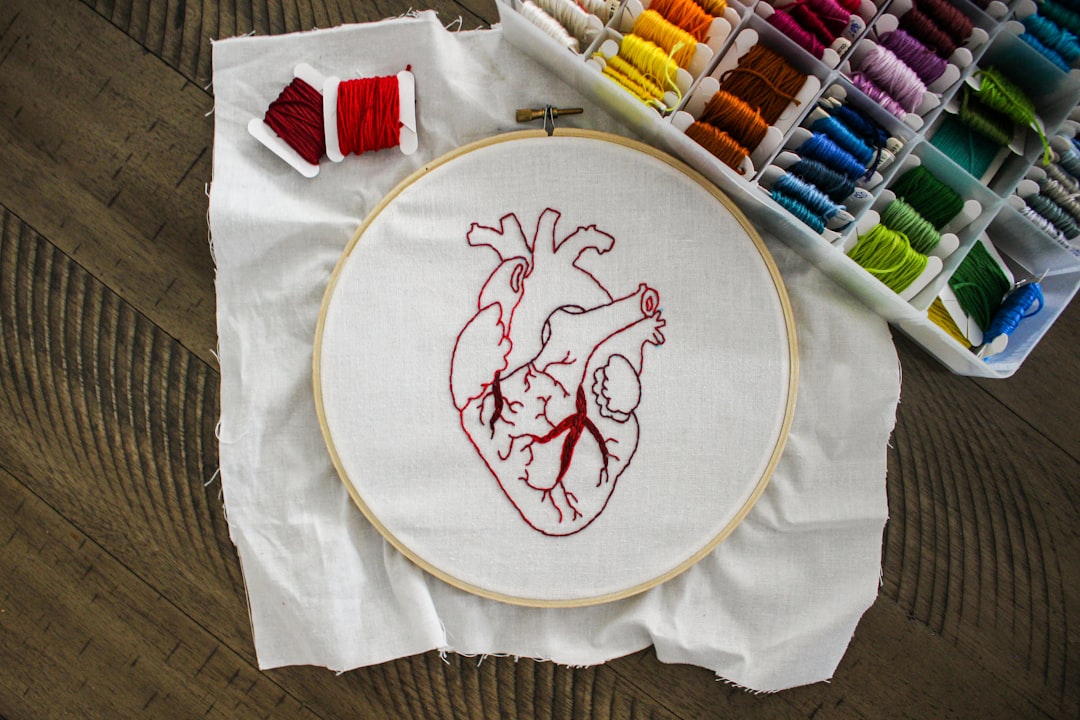
Heart palpitations are sensations that can be described as a fluttering, pounding, or racing heartbeat. These experiences can be alarming, often leading individuals to question their health status. While palpitations are frequently benign and may occur in healthy individuals, they can also signal underlying cardiovascular issues.
The prevalence of palpitations is significant, with studies indicating that approximately 16% of the general population experiences them at some point in their lives. Understanding the nature of these sensations is crucial for effective management and reassurance. Palpitations can manifest in various forms, including irregular heartbeats, increased heart rate (tachycardia), or a feeling of skipped beats (premature contractions).
In many cases, palpitations are transient and resolve spontaneously; however, persistent or severe episodes warrant further investigation to rule out serious cardiac conditions.
Key Takeaways
- Heart palpitations are the sensation of a rapid, fluttering, or pounding heart.
- The heart’s electrical system controls the rate and rhythm of the heartbeat.
- Common triggers for heart palpitations include caffeine, nicotine, and alcohol.
- Stress and anxiety can cause heart palpitations due to the release of adrenaline.
- Physical activity and exercise can also lead to heart palpitations, especially in individuals who are not used to regular exercise.
Understanding the Heart’s Electrical System
The heart’s electrical system is a complex network responsible for regulating the rhythm and rate of heartbeats. It consists of specialized cells that generate electrical impulses, initiating each heartbeat. The sinoatrial (SA) node, located in the right atrium, serves as the primary pacemaker, sending signals that prompt the heart to contract.
These impulses travel through the atrioventricular (AV) node and along the His-Purkinje system, ensuring coordinated contractions of the heart chambers.
Conditions such as atrial fibrillation, atrial flutter, and ventricular tachycardia are examples of arrhythmias that can cause significant symptoms and require medical intervention.
Understanding the intricacies of the heart’s electrical system is essential for diagnosing and treating palpitations effectively.
Common Triggers for Heart Palpitations
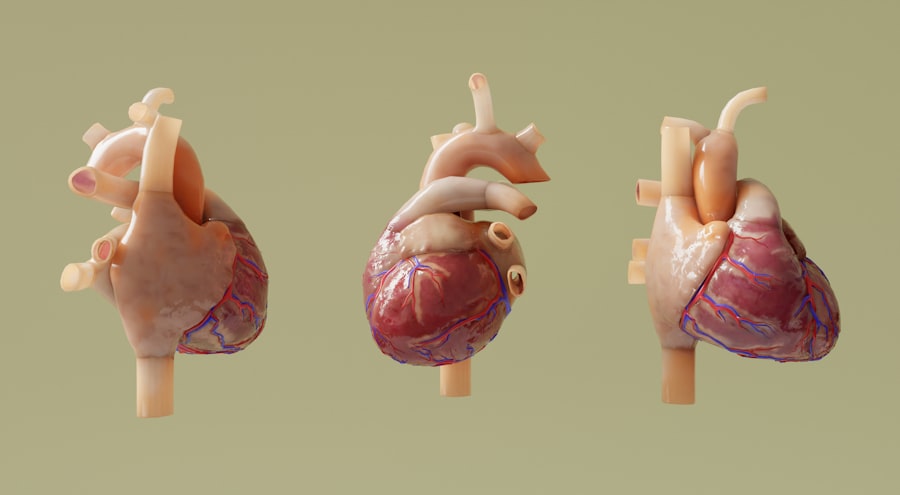
Numerous factors can trigger heart palpitations, ranging from lifestyle choices to underlying medical conditions. Identifying these triggers is vital for individuals experiencing palpitations, as it allows for targeted interventions and lifestyle modifications. Common triggers include emotional stress, excessive caffeine intake, dehydration, and certain medications.
Additionally, hormonal fluctuations during menstruation or menopause can also contribute to the occurrence of palpitations. Individuals with a history of anxiety or panic disorders may find that their symptoms are exacerbated during periods of heightened emotional distress. Keeping a detailed diary of palpitations can help individuals recognize patterns and potential triggers, facilitating discussions with healthcare providers.
Stress and Anxiety as Causes of Heart Palpitations
| Causes of Heart Palpitations | Stress and Anxiety |
|---|---|
| Impact on Heart Rate | Increases heart rate |
| Physical Symptoms | Chest pain, shortness of breath |
| Emotional Impact | Feelings of fear and unease |
| Treatment | Stress management, therapy |
Stress and anxiety are significant contributors to the experience of heart palpitations. The body’s response to stress involves the release of catecholamines—hormones such as adrenaline—that prepare the body for a “fight or flight” response. This physiological reaction can lead to an increased heart rate and heightened awareness of heartbeats, resulting in the sensation of palpitations.
Individuals with anxiety disorders may be particularly susceptible to experiencing palpitations during episodes of heightened anxiety or panic attacks. The interplay between psychological stressors and physiological responses underscores the importance of addressing mental health in conjunction with physical symptoms. Cognitive-behavioral therapy (CBT) and relaxation techniques can be effective strategies for managing anxiety-related palpitations.
Physical Activity and Exercise-Induced Heart Palpitations
Engaging in physical activity is generally beneficial for cardiovascular health; however, some individuals may experience palpitations during or after exercise. This phenomenon can occur due to increased sympathetic nervous system activity during exertion, leading to elevated heart rates and heightened awareness of cardiac sensations. In most cases, exercise-induced palpitations are benign and resolve with rest.
However, individuals with pre-existing heart conditions or those who experience severe symptoms should seek medical evaluation before continuing their exercise regimen. A thorough assessment may include an exercise stress test to evaluate cardiac function during physical activity and determine if any underlying issues contribute to the palpitations.
Dietary Factors and Heart Palpitations
Diet plays a crucial role in cardiovascular health and can influence the occurrence of heart palpitations. Certain foods and beverages are known to trigger palpitations in susceptible individuals. Caffeine, found in coffee, tea, energy drinks, and chocolate, is a common stimulant that can lead to increased heart rate and palpitations when consumed in excess.
Additionally, high-sugar diets and excessive sodium intake can contribute to hypertension and other cardiovascular issues that may exacerbate palpitations. Maintaining a balanced diet rich in fruits, vegetables, whole grains, lean proteins, and healthy fats is essential for overall heart health. Individuals experiencing frequent palpitations should consider tracking their dietary habits to identify potential triggers and make necessary adjustments.
Medications and Substances that Can Cause Heart Palpitations
A variety of medications and substances can induce heart palpitations as a side effect. Stimulants such as decongestants, certain antidepressants, and medications for attention-deficit hyperactivity disorder (ADHD) may lead to increased heart rates or arrhythmias. Additionally, recreational drugs such as cocaine and amphetamines are well-known for their potential to cause significant cardiovascular disturbances.
It is essential for individuals experiencing palpitations to review their medication lists with healthcare providers to identify any potential culprits. In some cases, adjusting dosages or switching to alternative medications may alleviate symptoms without compromising treatment efficacy.
Medical Conditions Associated with Heart Palpitations
Several medical conditions are associated with heart palpitations, necessitating thorough evaluation by healthcare professionals. Conditions such as hyperthyroidism—characterized by an overactive thyroid gland—can lead to increased metabolism and heightened heart rates. Anemia, which results from a deficiency in red blood cells or hemoglobin, can also cause palpitations due to reduced oxygen delivery to tissues.
Other conditions include electrolyte imbalances (such as low potassium or magnesium levels), structural heart abnormalities (like mitral valve prolapse), and cardiovascular diseases (such as coronary artery disease). A comprehensive medical history and diagnostic testing—including blood tests, electrocardiograms (ECGs), or echocardiograms—are essential for identifying underlying causes of palpitations.
Hormonal Changes and Heart Palpitations
Hormonal fluctuations can significantly impact cardiovascular function and contribute to the experience of heart palpitations. Women may notice an increase in palpitations during menstruation due to hormonal changes associated with the menstrual cycle. Similarly, perimenopause and menopause are characterized by fluctuating estrogen levels that can affect heart rhythm.
In men, testosterone levels may also influence cardiovascular health; low testosterone has been linked to increased risk factors for heart disease. Understanding these hormonal influences is crucial for managing palpitations effectively, particularly in populations experiencing significant hormonal changes.
Understanding the Role of Caffeine and Nicotine in Heart Palpitations
Caffeine and nicotine are two widely consumed substances known for their stimulatory effects on the cardiovascular system. Caffeine acts as a central nervous system stimulant that can lead to increased heart rate and heightened awareness of cardiac sensations. For individuals sensitive to caffeine, even moderate consumption may trigger palpitations.
Nicotine, found in tobacco products, also stimulates the release of catecholamines, leading to increased heart rate and blood pressure. Quitting smoking or reducing nicotine intake can significantly improve cardiovascular health and reduce the frequency of palpitations. Individuals experiencing frequent palpitations should consider evaluating their caffeine and nicotine consumption as part of their management strategy.
Seeking Medical Evaluation for Heart Palpitations
Individuals experiencing persistent or concerning heart palpitations should seek medical evaluation to rule out serious underlying conditions. A healthcare provider will typically conduct a thorough assessment that includes a detailed medical history, physical examination, and diagnostic tests such as ECGs or Holter monitoring. In some cases, referral to a cardiologist may be necessary for further evaluation and management.
Treatment options will depend on the underlying cause identified during the assessment process. For benign cases related to lifestyle factors or anxiety, lifestyle modifications or counseling may suffice; however, more serious arrhythmias may require pharmacological intervention or procedural approaches such as catheter ablation. In summary, heart palpitations are common sensations that can arise from various triggers including stress, dietary factors, medications, hormonal changes, and underlying medical conditions.
Understanding the complexities of these triggers is essential for effective management and reassurance. Individuals experiencing frequent or severe palpitations should seek medical evaluation to identify potential causes and appropriate treatment options tailored to their specific needs.
Palpitations of the heart can be caused by a variety of factors, including stress, anxiety, and caffeine consumption. According to a recent article on Boogger, certain medications and medical conditions can also contribute to heart palpitations. It is important to consult with a healthcare professional if you are experiencing frequent or concerning palpitations to determine the underlying cause and receive appropriate treatment.
FAQs
What are palpitations of the heart?
Palpitations of the heart are sensations of a rapid, fluttering, or pounding heart. It may feel like the heart is skipping beats or beating too hard or too fast.
What are the common causes of palpitations of the heart?
Common causes of palpitations include stress, anxiety, strenuous exercise, caffeine, nicotine, alcohol, certain medications, hormonal changes, and underlying heart conditions such as arrhythmias or heart valve disorders.
When should I seek medical attention for palpitations?
You should seek medical attention if you experience frequent or prolonged palpitations, if they are accompanied by dizziness, fainting, chest pain, or shortness of breath, or if you have a history of heart disease.
How are palpitations of the heart diagnosed?
Palpitations are diagnosed through a combination of medical history, physical examination, and diagnostic tests such as electrocardiogram (ECG), Holter monitor, event monitor, echocardiogram, or stress test.
What are the treatment options for palpitations of the heart?
Treatment for palpitations depends on the underlying cause. It may include lifestyle changes, stress management, medication, or procedures such as catheter ablation for certain arrhythmias.