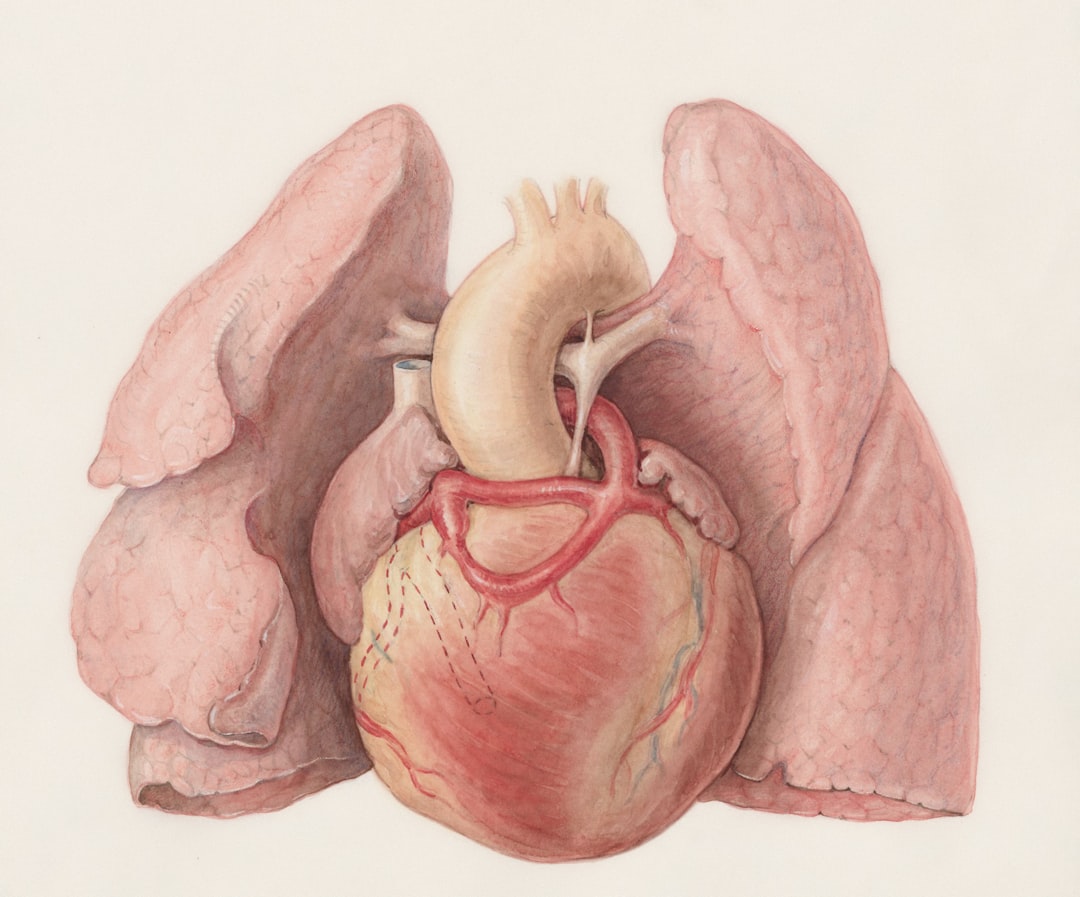
Now Reading: Understanding Isolated Diastolic Hypertension
-
01
Understanding Isolated Diastolic Hypertension
Understanding Isolated Diastolic Hypertension
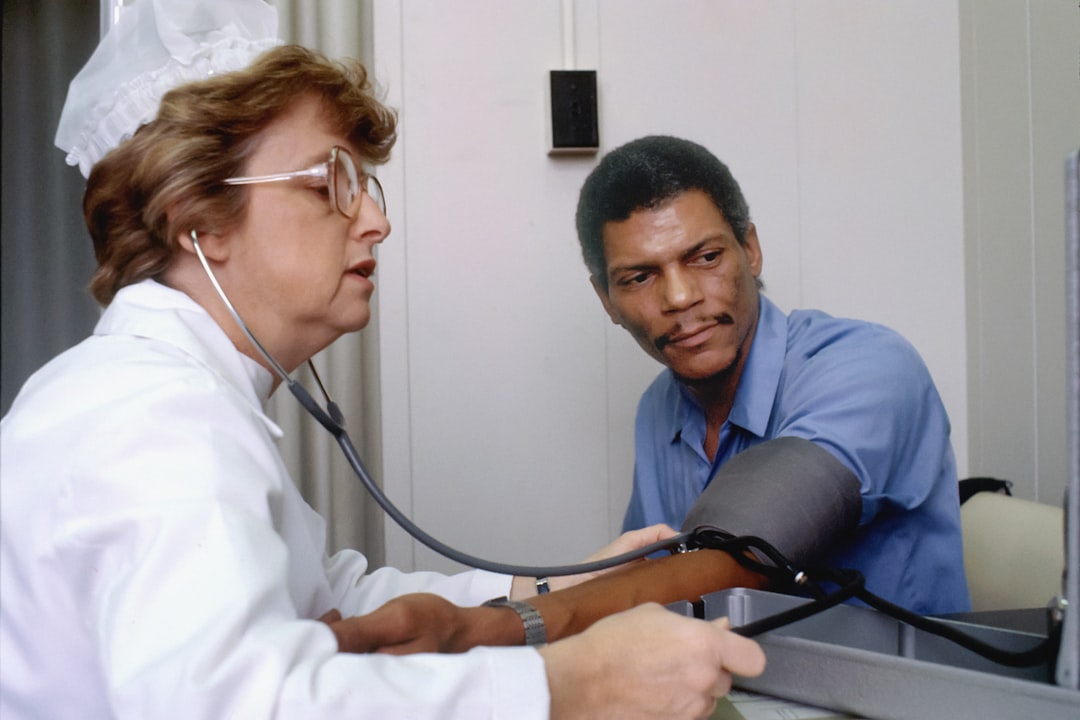
Isolated Diastolic Hypertension (IDH) is a specific form of hypertension characterized by elevated diastolic blood pressure (DBP) while systolic blood pressure (SBP) remains within normal limits. Blood pressure is measured in millimeters of mercury (mmHg) and is expressed as two numbers: the first (systolic) represents the pressure in the arteries when the heart beats, while the second (diastolic) indicates the pressure when the heart rests between beats. IDH is defined as having a diastolic reading of 90 mmHg or higher, with a systolic reading below 140 mmHg.
This condition is often overlooked, yet it can lead to significant cardiovascular complications if left untreated. The prevalence of IDH has been increasing, particularly among younger populations and women. It is essential to recognize that while systolic hypertension has garnered more attention in clinical practice, IDH poses its own unique risks.
The pathophysiology of IDH involves complex interactions between vascular resistance, arterial stiffness, and neurohormonal regulation. Understanding these mechanisms is crucial for effective management and prevention strategies.
Key Takeaways
- Isolated Diastolic Hypertension is a condition where only the diastolic blood pressure is elevated, with normal systolic blood pressure.
- Causes of Isolated Diastolic Hypertension include aging, stress, kidney disease, and thyroid disorders.
- Symptoms of Isolated Diastolic Hypertension may include headaches, dizziness, and nosebleeds.
- Diagnosis of Isolated Diastolic Hypertension is confirmed through blood pressure measurements and may require additional tests to identify underlying causes.
- Complications of Isolated Diastolic Hypertension can include heart disease, stroke, and kidney damage.
Causes of Isolated Diastolic Hypertension
The etiology of Isolated Diastolic Hypertension is multifactorial, encompassing both genetic and environmental influences. One primary contributor is increased peripheral vascular resistance, which can arise from various factors such as obesity, sedentary lifestyle, and dietary habits high in sodium. Additionally, hormonal imbalances, particularly involving the renin-angiotensin-aldosterone system (RAAS), can lead to elevated diastolic pressures.
Another significant cause is endothelial dysfunction, which impairs the ability of blood vessels to dilate properly. This dysfunction can be exacerbated by chronic conditions such as diabetes mellitus and hyperlipidemia. Furthermore, psychological stressors and lifestyle factors, including excessive alcohol consumption and smoking, can also play a role in the development of IDH.
Identifying these underlying causes is essential for tailoring effective treatment plans.
Symptoms of Isolated Diastolic Hypertension
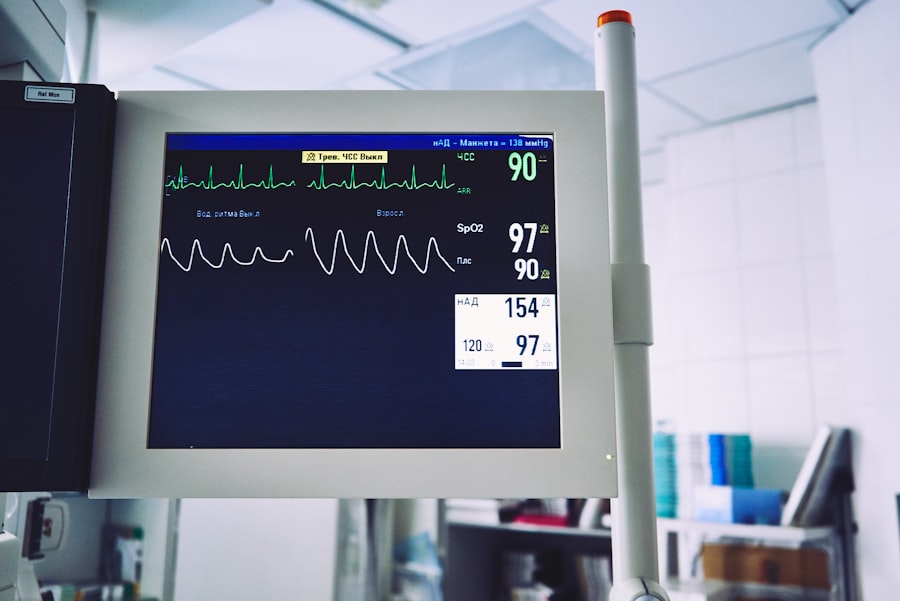
Isolated Diastolic Hypertension often presents with few overt symptoms, making it a silent condition that can go unnoticed for extended periods. Patients may experience nonspecific symptoms such as headaches, fatigue, or dizziness, which are often attributed to other causes. In some cases, individuals may report palpitations or a sensation of pressure in the chest, but these symptoms are not exclusive to IDH.
This lack of awareness underscores the importance of regular monitoring, especially for those at risk.
Early detection can facilitate timely intervention and reduce the likelihood of developing more severe cardiovascular complications.
Diagnosis of Isolated Diastolic Hypertension
| Study | Sensitivity | Specificity | Positive Predictive Value | Negative Predictive Value |
|---|---|---|---|---|
| Study 1 | 0.85 | 0.92 | 0.78 | 0.95 |
| Study 2 | 0.91 | 0.88 | 0.82 | 0.94 |
| Study 3 | 0.89 | 0.91 | 0.80 | 0.93 |
The diagnosis of Isolated Diastolic Hypertension typically begins with a comprehensive medical history and physical examination. Blood pressure measurements should be taken on multiple occasions to confirm persistent elevation in diastolic pressure while maintaining normal systolic levels. A standard sphygmomanometer or automated blood pressure monitor can be utilized for this purpose.
In addition to blood pressure readings, healthcare providers may conduct laboratory tests to assess kidney function, electrolyte levels, and lipid profiles. These tests help identify any underlying conditions contributing to hypertension. Furthermore, additional diagnostic tools such as echocardiograms or ambulatory blood pressure monitoring may be employed to evaluate cardiac function and assess blood pressure variability throughout the day.
Complications of Isolated Diastolic Hypertension
If left untreated, Isolated Diastolic Hypertension can lead to several serious complications that significantly impact cardiovascular health. One of the most concerning outcomes is the increased risk of developing coronary artery disease (CAD), which can result in angina or myocardial infarction. The elevated diastolic pressure contributes to arterial stiffness and damage over time, promoting atherosclerosis.
Moreover, IDH is associated with an increased likelihood of heart failure due to the heart’s increased workload in response to elevated diastolic pressures. Other potential complications include stroke and chronic kidney disease, both of which can arise from prolonged hypertension. Recognizing these risks emphasizes the importance of early intervention and ongoing management strategies.
Treatment Options for Isolated Diastolic Hypertension
The treatment approach for Isolated Diastolic Hypertension typically involves a combination of lifestyle modifications and pharmacological interventions. Initial management often focuses on non-pharmacological strategies aimed at reducing diastolic pressure through dietary changes, increased physical activity, and weight management. In cases where lifestyle modifications alone are insufficient, antihypertensive medications may be prescribed.
The choice of medication depends on individual patient characteristics and comorbidities. Common classes of antihypertensive agents include diuretics, ACE inhibitors, angiotensin II receptor blockers (ARBs), and calcium channel blockers. Each class has its unique mechanism of action and potential side effects that must be considered when developing a treatment plan.
Lifestyle Changes to Manage Isolated Diastolic Hypertension
Implementing lifestyle changes is a cornerstone in managing Isolated Diastolic Hypertension effectively. A heart-healthy diet rich in fruits, vegetables, whole grains, lean proteins, and low-fat dairy products can significantly impact blood pressure levels. The DASH (Dietary Approaches to Stop Hypertension) diet is particularly beneficial in reducing both systolic and diastolic pressures.
Regular physical activity is also crucial; engaging in at least 150 minutes of moderate-intensity aerobic exercise per week can help lower blood pressure and improve overall cardiovascular health. Additionally, weight loss for those who are overweight or obese can lead to substantial reductions in diastolic pressure. Stress management techniques such as mindfulness meditation, yoga, or deep-breathing exercises can also play a role in controlling hypertension by reducing sympathetic nervous system activity.
Limiting alcohol intake and avoiding tobacco products are equally important lifestyle modifications that contribute to better blood pressure control.
Medications for Isolated Diastolic Hypertension
When lifestyle modifications alone do not achieve adequate control of Isolated Diastolic Hypertension, pharmacological treatment becomes necessary. Several classes of medications are available for managing this condition: 1. **Diuretics**: These medications help eliminate excess sodium and fluid from the body, reducing blood volume and lowering blood pressure.
2.
**ACE Inhibitors**: Angiotensin-converting enzyme inhibitors work by blocking the formation of angiotensin II, a hormone that constricts blood vessels. This leads to vasodilation and decreased blood pressure.
3. **ARBs**: Angiotensin II receptor blockers prevent angiotensin II from binding to its receptors, promoting vasodilation and lowering blood pressure.
4.
**Calcium Channel Blockers**: These agents inhibit calcium entry into vascular smooth muscle cells, leading to relaxation of blood vessels and reduced vascular resistance.
Regular follow-up appointments are essential to monitor efficacy and adjust dosages as needed.
Risk Factors for Isolated Diastolic Hypertension
Several risk factors contribute to the development of Isolated Diastolic Hypertension. Age is a significant factor; as individuals age, arterial stiffness increases, leading to higher diastolic pressures. Additionally, obesity is a well-established risk factor due to its association with increased vascular resistance and inflammation.
Family history plays a crucial role in determining susceptibility to hypertension; genetic predisposition can influence an individual’s likelihood of developing IDH. Other modifiable risk factors include sedentary lifestyle, high sodium intake, excessive alcohol consumption, smoking habits, and chronic stress levels. Certain medical conditions such as diabetes mellitus and hyperlipidemia also increase the risk of developing IDH due to their impact on vascular health.
Identifying these risk factors allows for targeted prevention strategies aimed at reducing the incidence of this condition.
Prevention of Isolated Diastolic Hypertension
Preventing Isolated Diastolic Hypertension involves adopting a proactive approach focused on lifestyle modifications and regular health screenings. Individuals should prioritize maintaining a healthy weight through balanced nutrition and regular physical activity. Engaging in at least 150 minutes of moderate exercise weekly can significantly reduce the risk of developing hypertension.
Monitoring dietary sodium intake is crucial; adhering to recommended guidelines can help prevent elevated blood pressure levels. Additionally, limiting alcohol consumption and avoiding tobacco products are essential preventive measures that contribute to overall cardiovascular health. Regular health check-ups are vital for early detection of hypertension; individuals should have their blood pressure checked at least once every two years if they are at low risk or annually if they have risk factors for hypertension.
Early intervention can prevent the progression to more severe forms of hypertension.
When to See a Doctor for Isolated Diastolic Hypertension
Individuals should seek medical attention if they experience symptoms suggestive of elevated blood pressure or if routine screenings reveal abnormal readings. Symptoms such as persistent headaches, visual disturbances, chest pain, or shortness of breath warrant immediate evaluation by a healthcare professional. Regular follow-up appointments are essential for those diagnosed with Isolated Diastolic Hypertension or those at high risk for developing it.
Healthcare providers can offer guidance on effective management strategies tailored to individual needs and monitor for potential complications associated with untreated hypertension. In conclusion, Isolated Diastolic Hypertension is a significant health concern that requires attention due to its potential complications if left unmanaged. Understanding its causes, symptoms, diagnosis, treatment options, and preventive measures is crucial for effective management.
By adopting healthy lifestyle changes and seeking appropriate medical care when necessary, individuals can significantly reduce their risk of developing this condition and improve their overall cardiovascular health.
Isolated diastolic hypertension is a condition where only the diastolic blood pressure is elevated, which can increase the risk of heart disease and stroke. For more information on managing hypertension, you can check out this article on finding the right lawyer in 2025, which provides key tips to consider when seeking legal advice.
FAQs
What is isolated diastolic hypertension?
Isolated diastolic hypertension is a condition where the diastolic blood pressure is consistently elevated (90 mm Hg or higher) while the systolic blood pressure remains within normal range (less than 120 mm Hg).
What are the causes of isolated diastolic hypertension?
Isolated diastolic hypertension can be caused by various factors including aging, genetics, obesity, high salt intake, lack of physical activity, and certain medical conditions such as kidney disease and thyroid disorders.
What are the potential complications of isolated diastolic hypertension?
If left untreated, isolated diastolic hypertension can increase the risk of heart disease, stroke, kidney damage, and other cardiovascular complications.
How is isolated diastolic hypertension diagnosed?
Isolated diastolic hypertension is diagnosed through blood pressure measurements taken on multiple occasions. Additional tests may be performed to identify any underlying medical conditions contributing to the elevated diastolic blood pressure.
What are the treatment options for isolated diastolic hypertension?
Treatment for isolated diastolic hypertension may include lifestyle modifications such as dietary changes, regular exercise, and weight management, as well as medication to lower blood pressure.
Can isolated diastolic hypertension be prevented?
Isolated diastolic hypertension can be prevented or managed through healthy lifestyle choices, including maintaining a balanced diet, engaging in regular physical activity, limiting alcohol consumption, and managing stress. Regular blood pressure monitoring and seeking medical advice are also important for prevention.