Now Reading: Protect Your Business with Commercial Truck Insurance
-
01
Protect Your Business with Commercial Truck Insurance
Protect Your Business with Commercial Truck Insurance
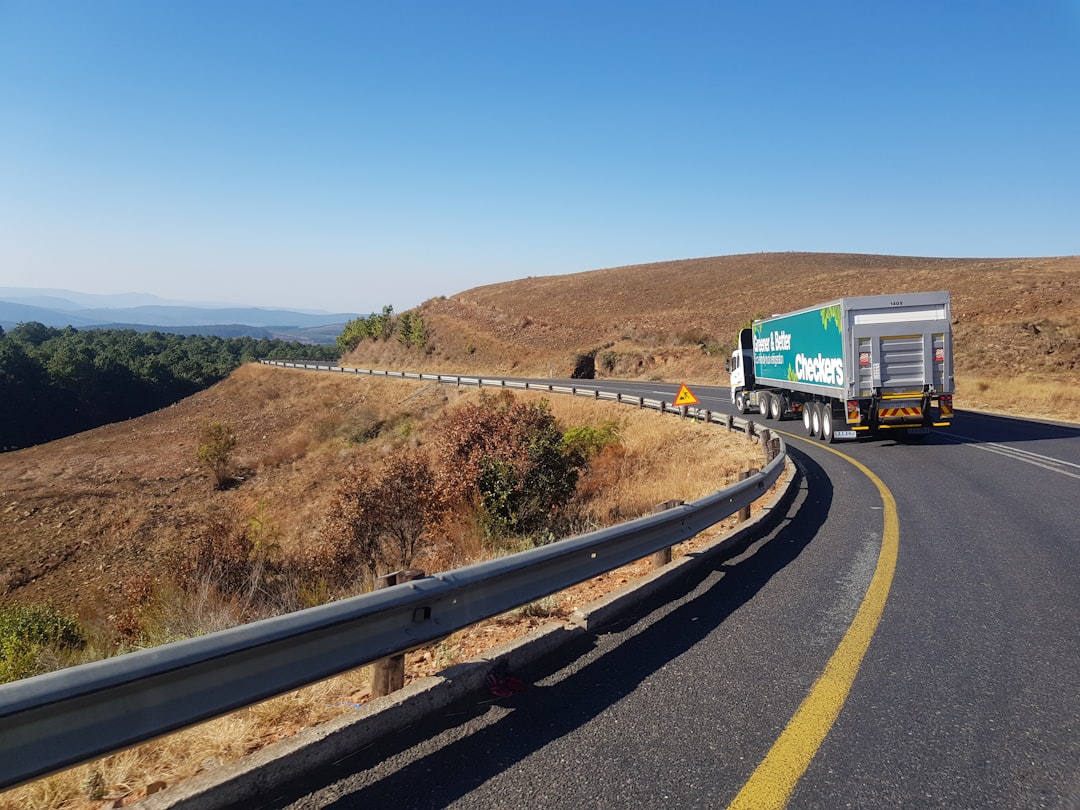
Commercial truck insurance is a specialized form of coverage designed to protect businesses that operate vehicles for commercial purposes. This type of insurance is essential for companies that rely on trucks for transporting goods, whether locally or across long distances. The primary objective of commercial truck insurance is to mitigate financial risks associated with accidents, theft, and other unforeseen events that can lead to significant losses.
Given the unique nature of commercial trucking, this insurance encompasses various aspects, including liability, physical damage, and cargo coverage. The commercial trucking industry is subject to numerous regulations and standards, which can complicate the insurance landscape. Businesses must navigate these complexities to ensure they are adequately protected.
Understanding the nuances of commercial truck insurance is crucial for business owners, as it not only safeguards their assets but also ensures compliance with legal requirements. A comprehensive policy can provide peace of mind, allowing operators to focus on their core business activities without the constant worry of potential liabilities.
Key Takeaways
- Commercial truck insurance is essential for protecting your business and complying with legal requirements.
- Types of coverage offered include liability, physical damage, cargo, and uninsured/underinsured motorist coverage.
- Factors affecting insurance premiums include driving record, type of cargo, and the value of the truck.
- Adequate coverage is important to protect your business from financial loss in the event of an accident or other unforeseen circumstances.
- Legal requirements for commercial truck insurance vary by state and can include minimum liability coverage and proof of insurance filings.
Types of Coverage Offered
Commercial truck insurance typically includes several types of coverage tailored to meet the diverse needs of businesses. The most common types are liability coverage, physical damage coverage, cargo insurance, and non-trucking liability coverage. 1. **Liability Coverage**: This is a fundamental component of any commercial truck insurance policy. It protects the insured against claims arising from bodily injury or property damage caused by their vehicles. Liability coverage is often divided into two categories: bodily injury liability and property damage liability. The former covers medical expenses and lost wages for injured parties, while the latter addresses damages to other vehicles or property. 2. **Physical Damage Coverage**: This type of coverage protects the insured’s own vehicles from damage due to accidents, theft, vandalism, or natural disasters. It typically includes collision coverage, which pays for repairs after an accident, and comprehensive coverage, which addresses non-collision-related incidents. 3. **Cargo Insurance**: For businesses that transport goods, cargo insurance is vital. It covers loss or damage to the cargo being transported, ensuring that businesses are compensated for any financial losses incurred due to theft or damage during transit. 4. **Non-Trucking Liability Coverage**: This coverage is essential for owner-operators who may use their trucks for personal purposes when not under dispatch. It protects against liabilities incurred during non-business use of the vehicle.
Factors Affecting Insurance Premiums
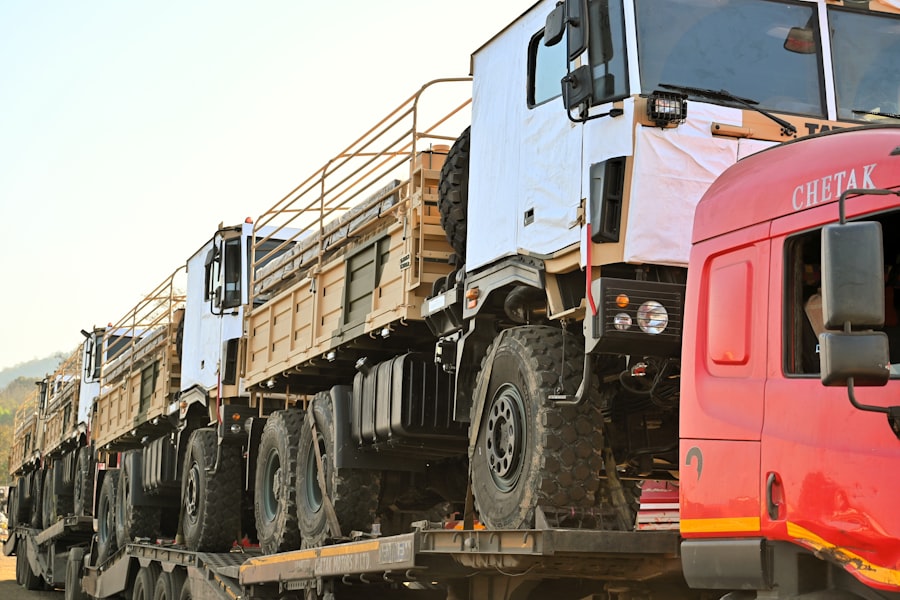
Several factors influence the premiums associated with commercial truck insurance. Understanding these elements can help business owners make informed decisions when selecting coverage options. 1. **Driving History**: The driving records of operators play a significant role in determining premiums. A history of accidents or traffic violations can lead to higher rates, as insurers view these drivers as higher risk. 2.
Hazardous materials or high-value goods may result in increased rates due to the higher risk associated with transporting such items. 3. **Vehicle Type and Age**: The make, model, and age of the truck can affect insurance costs. Newer vehicles equipped with advanced safety features may qualify for discounts, while older trucks may incur higher premiums due to increased likelihood of mechanical failure. 4. **Geographic Location**: The area in which a business operates can influence rates significantly. Regions with high accident rates or theft occurrences may lead to elevated premiums. 5. **Annual Mileage**: The distance traveled annually can also affect premiums.
Importance of Adequate Coverage
| Metrics | Data |
|---|---|
| Insurance Premiums | Cost of insurance coverage |
| Claim Settlement Ratio | Percentage of claims settled by the insurance company |
| Policy Coverage Limits | Maximum amount covered by the insurance policy |
| Deductibles | Amount the policyholder pays before insurance coverage kicks in |
Having adequate commercial truck insurance coverage is paramount for businesses operating in the transportation sector. Insufficient coverage can lead to devastating financial consequences in the event of an accident or loss. 1. **Financial Protection**: Adequate coverage ensures that businesses are financially protected against potential liabilities and losses. In the event of an accident resulting in injury or property damage, having sufficient liability coverage can prevent crippling financial burdens. 2. **Business Continuity**: Inadequate insurance can jeopardize a company’s operations. If a truck is involved in an accident and is out of commission for repairs, businesses may face significant downtime without proper physical damage coverage. 3. **Legal Compliance**: Many jurisdictions require specific minimum levels of insurance for commercial vehicles. Failing to meet these requirements can result in fines and legal repercussions, further complicating business operations. 4. **Reputation Management**: A company’s reputation can be adversely affected by accidents or incidents involving its vehicles. Adequate insurance coverage demonstrates a commitment to safety and responsibility, enhancing public perception and trust.
Legal Requirements for Commercial Truck Insurance
Legal requirements for commercial truck insurance vary by state and country but generally mandate specific minimum levels of coverage to operate legally on public roads. 1. **Federal Regulations**: In the United States, the Federal Motor Carrier Safety Administration (FMCSA) sets minimum insurance requirements for commercial trucking companies based on the type of cargo transported and the weight of the vehicle.
For example, carriers transporting hazardous materials must maintain higher liability limits than those transporting non-hazardous goods. 2. **State Regulations**: Each state may impose additional requirements beyond federal mandates.
Business owners must familiarize themselves with local laws to ensure compliance and avoid penalties. 3. **Proof of Insurance**: Commercial trucking companies are often required to carry proof of insurance while operating their vehicles.
Failure to provide this documentation during inspections can result in fines or suspension of operating authority. 4. **Bodily Injury and Property Damage Limits**: Minimum liability limits are established by law; however, many experts recommend carrying higher limits to adequately protect against potential claims that could exceed statutory requirements.
Choosing the Right Insurance Provider

Selecting an appropriate insurance provider is a critical step in securing commercial truck insurance. Business owners should consider several factors when evaluating potential insurers. 1. **Reputation and Financial Stability**: Researching an insurer’s reputation within the industry is essential. Look for companies with strong financial ratings from independent agencies such as A.M. Best or Standard & Poor’s, as this indicates their ability to pay claims. 2. **Coverage Options**: Different insurers offer varying levels of coverage and policy options. It is crucial to choose a provider that offers comprehensive solutions tailored to your specific business needs. 3. **Customer Service**: Evaluate the quality of customer service provided by potential insurers. A responsive claims department and knowledgeable agents can significantly enhance the overall experience when navigating policy issues or filing claims. 4. **Cost vs. Value**: While cost is an important consideration, it should not be the sole factor in decision-making. Assessing the value provided by an insurer in terms of coverage options, customer service, and claims handling is equally important.
Customizing Coverage for Your Business Needs
Every business has unique requirements when it comes to commercial truck insurance, making customization essential for optimal protection. 1. **Assessing Risks**: Conducting a thorough risk assessment can help identify specific vulnerabilities within your operations.
This analysis should consider factors such as cargo type, driving routes, and employee training programs. 2. **Tailoring Policies**: Once risks are identified, work with your insurance provider to tailor policies that address these specific needs effectively.
This may involve adding endorsements or riders that enhance standard coverage options. 3. **Periodic Reviews**: Regularly reviewing your policy ensures that it remains aligned with your evolving business needs and any changes in regulations or market conditions.
4. **Consulting Experts**: Engaging with insurance brokers or consultants who specialize in commercial trucking can provide valuable insights into customizing coverage effectively while maximizing cost efficiency.
Claims Process and Support
Understanding the claims process is vital for business owners to ensure timely resolution in the event of an incident requiring insurance intervention. 1. **Reporting Incidents**: Promptly reporting accidents or losses to your insurer is crucial for initiating the claims process.
Most providers have dedicated claims departments available 24/7 to assist policyholders in filing claims efficiently. 2. **Documentation Requirements**: Insurers typically require specific documentation when processing claims, including police reports, photographs of damages, and witness statements.
Maintaining thorough records can expedite claim resolution. 3. **Claims Adjusters**: After a claim is filed, an adjuster will be assigned to assess the situation and determine the validity of the claim based on policy terms and conditions.
4. **Appeals Process**: In cases where a claim is denied or insufficiently compensated, policyholders have the right to appeal decisions made by insurers. Understanding this process can empower business owners to advocate effectively for their interests.
Risk Management and Loss Prevention
Implementing effective risk management strategies can significantly reduce the likelihood of accidents and losses within commercial trucking operations. 1. **Driver Training Programs**: Investing in comprehensive training programs for drivers can enhance safety awareness and reduce accident rates significantly.
2. **Vehicle Maintenance Protocols**: Regular maintenance checks and inspections are essential for ensuring that vehicles remain in optimal condition, minimizing breakdowns and accidents caused by mechanical failures. 3.
**Technology Integration**: Utilizing technology such as GPS tracking systems and telematics can provide real-time data on vehicle performance and driver behavior, allowing businesses to identify areas for improvement proactively. 4. **Safety Policies**: Establishing clear safety policies and procedures within your organization fosters a culture of safety among employees, reducing risks associated with negligent behavior on the road.
Reviewing and Updating Your Policy
Regularly reviewing and updating your commercial truck insurance policy is essential for ensuring continued adequacy in coverage as your business evolves. 1. **Life Cycle Changes**: As businesses grow or change operations—such as acquiring new vehicles or expanding service areas—policies should be adjusted accordingly to reflect these developments accurately.
2. **Regulatory Changes**: Staying informed about changes in federal or state regulations regarding commercial trucking can help ensure compliance and avoid potential penalties associated with outdated policies. 3.
**Annual Reviews**: Conducting annual reviews with your insurance provider allows you to assess current coverage levels against industry standards and make necessary adjustments proactively. 4. **Feedback Mechanisms**: Encouraging feedback from employees regarding safety practices and operational challenges can provide valuable insights into areas where policy adjustments may be warranted.
Benefits of Commercial Truck Insurance for Your Business
Investing in commercial truck insurance offers numerous benefits that extend beyond mere compliance with legal requirements. 1. **Financial Security**: Comprehensive coverage provides financial security against unforeseen events that could otherwise jeopardize a business’s financial stability.
2. **Enhanced Credibility**: Having adequate insurance demonstrates professionalism and responsibility to clients and partners alike, enhancing your company’s credibility within the industry. 3.
**Peace of Mind**: Knowing that your business is protected against potential liabilities allows you to focus on growth strategies rather than worrying about potential risks associated with operations. 4. **Long-Term Savings**: While premiums represent an ongoing expense, investing in quality commercial truck insurance can lead to long-term savings by minimizing out-of-pocket costs associated with accidents or losses over time.
In summary, understanding commercial truck insurance is crucial for businesses operating within this sector due to its unique risks and regulatory requirements. By exploring various types of coverage offered, assessing factors affecting premiums, recognizing legal obligations, choosing appropriate providers, customizing policies based on specific needs, navigating claims processes effectively, implementing risk management strategies, regularly reviewing policies, and acknowledging the benefits provided by adequate coverage—business owners can ensure they are well-prepared to face challenges while safeguarding their operations against potential liabilities.
If you are a commercial truck driver looking for the best insurance coverage, you may want to check out this article on top Christmas gifts for dad. Just like finding the perfect gift for your father, finding the right insurance policy for your commercial truck requires careful consideration and research. Make sure to plan ahead and stay organized, much like you would when planning for the upcoming 2022 federal holidays or even the federal holidays in 2023.
FAQs
What is commercial truck insurance?
Commercial truck insurance is a type of insurance policy specifically designed to cover the unique risks and liabilities associated with operating a commercial truck or fleet of trucks. It provides coverage for property damage, bodily injury, and other potential losses that may occur while operating a commercial truck for business purposes.
What does commercial truck insurance cover?
Commercial truck insurance typically covers liability for bodily injury and property damage, physical damage to the truck itself, cargo insurance, and coverage for medical payments and uninsured/underinsured motorists. Additional coverage options may include pollution liability, trailer interchange, and motor truck cargo insurance.
Who needs commercial truck insurance?
Any individual or business that operates commercial trucks for business purposes needs commercial truck insurance. This includes owner-operators, trucking companies, freight brokers, and businesses that use trucks for transporting goods or materials.
How is commercial truck insurance different from personal auto insurance?
Commercial truck insurance is specifically tailored to cover the unique risks and liabilities associated with operating commercial trucks for business purposes. It typically provides higher liability limits, covers specialized equipment and cargo, and may include coverage for multiple drivers and vehicles.
How is the cost of commercial truck insurance determined?
The cost of commercial truck insurance is determined by a variety of factors, including the type of truck, the goods being transported, the driving record of the insured, the coverage limits and deductibles selected, and the location and operating radius of the truck. Other factors such as the safety features of the truck and the carrier’s safety record may also impact the cost.
Are there different types of commercial truck insurance policies?
Yes, there are different types of commercial truck insurance policies to accommodate the specific needs of different types of trucking operations. These may include policies for owner-operators, motor carriers, long-haul trucking, local trucking, and specialized trucking operations such as dump trucks or tow trucks.