Now Reading: Maximize Your Sight with Vision Insurance Plans
-
01
Maximize Your Sight with Vision Insurance Plans
Maximize Your Sight with Vision Insurance Plans
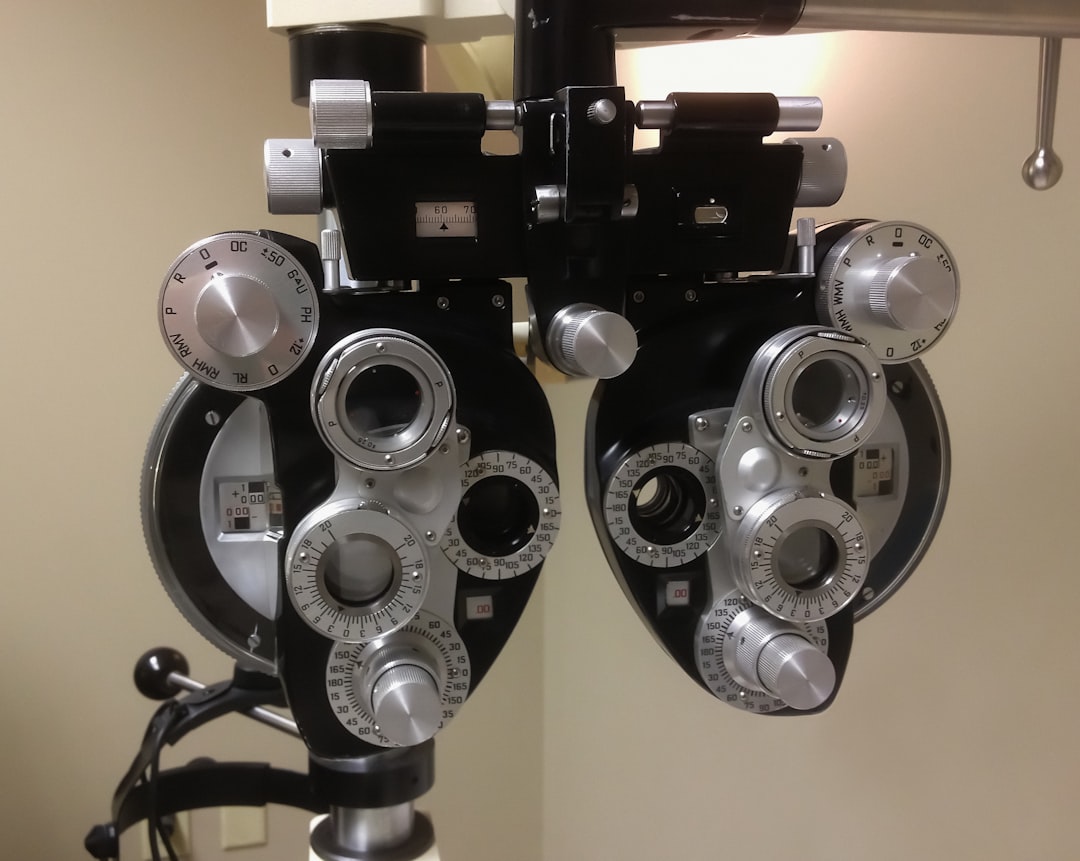
Vision insurance plans are specialized health insurance products designed to cover a range of eye care services, including routine eye exams, corrective lenses, and surgical procedures. These plans typically operate on a tiered structure, offering varying levels of coverage based on the type of service rendered. Most vision insurance policies are structured to provide benefits for preventive care, which is essential for maintaining optimal ocular health.
The primary goal of these plans is to alleviate the financial burden associated with eye care, ensuring that individuals can access necessary services without incurring exorbitant out-of-pocket expenses. Vision insurance can be categorized into two main types: comprehensive plans and discount plans. Comprehensive plans generally cover a broader range of services, including annual eye exams, glasses, contact lenses, and even surgical procedures like LASIK.
In contrast, discount plans offer reduced rates for services and products but may not provide full coverage. Understanding the nuances of these plans is crucial for consumers to make informed decisions about their eye care needs. Additionally, many employers offer vision insurance as part of their employee benefits package, making it essential for individuals to review their options carefully.
Key Takeaways
- Vision insurance plans can help cover the cost of eye exams, prescription eyewear, contact lenses, preventative care, and even eye surgery and procedures.
- When choosing a vision insurance plan, consider factors such as coverage for eye exams, eyewear, and contact lenses, as well as the network of providers and out-of-pocket costs.
- To maximize vision insurance benefits, schedule regular eye exams, utilize preventative care services, and take advantage of coverage for prescription eyewear and contact lenses.
- Regular eye exams are important for maintaining overall eye health, detecting vision problems early, and preventing potential eye diseases.
- Vision insurance can help offset the cost of prescription eyewear, including glasses and contact lenses, making it more affordable to maintain good vision.
Choosing the Right Vision Insurance Plan for You
Selecting the appropriate vision insurance plan requires a thorough assessment of individual needs and preferences. Factors such as age, existing eye conditions, and lifestyle choices play a significant role in determining the most suitable coverage. For instance, individuals with chronic eye conditions may benefit from a plan that offers extensive coverage for specialized treatments and procedures.
Conversely, younger individuals with minimal vision issues may find that a basic plan suffices for their needs. When evaluating different plans, it is essential to consider the network of providers associated with each policy. Many vision insurance plans require members to seek care from in-network providers to maximize benefits.
Therefore, researching local optometrists and ophthalmologists who accept the plan is crucial. Additionally, reviewing the specifics of coverage limits, copayments, and deductibles can help individuals gauge the overall value of a plan. By taking these factors into account, consumers can make informed choices that align with their unique vision care requirements.
Maximizing Your Benefits with Vision Insurance

To fully leverage the advantages of vision insurance, policyholders must be proactive in understanding their benefits and utilizing them effectively. One effective strategy is to schedule regular eye exams, as many plans cover these visits at no additional cost. Routine examinations not only help detect potential issues early but also ensure that prescriptions for corrective lenses are up-to-date.
Furthermore, individuals should familiarize themselves with the frequency of covered services, as some plans may limit the number of eye exams or lens replacements per year. Another way to maximize benefits is by taking advantage of discounts on eyewear and contact lenses offered through vision insurance plans. Many policies provide allowances for frames and lenses, which can significantly reduce out-of-pocket expenses.
By shopping within the network of approved providers and utilizing available discounts, individuals can obtain high-quality eyewear at a fraction of the retail price. Additionally, staying informed about any promotional offers or seasonal sales can further enhance savings.
The Importance of Regular Eye Exams
| Age Group | Frequency of Eye Exams | Reason |
|---|---|---|
| Children (0-5 years) | At 6 months, 3 years, and before starting school | Early detection of vision problems |
| Children (6-18 years) | Every 1-2 years | Monitor vision changes and eye health |
| Adults (18-60 years) | Every 2 years | Check for refractive errors and eye diseases |
| Seniors (60+ years) | Annually | Monitor age-related eye conditions |
Regular eye examinations are a cornerstone of maintaining good ocular health and are often covered by vision insurance plans.
Early detection is critical in preventing irreversible damage and preserving vision.
Moreover, comprehensive eye exams can reveal systemic health issues such as diabetes and hypertension, underscoring the interconnectedness of ocular health and overall well-being. The American Optometric Association recommends that adults undergo eye exams every one to two years, depending on age and risk factors. Children should have their first eye exam at six months of age, followed by additional assessments at age three and before starting school.
By adhering to these guidelines and utilizing vision insurance benefits for regular check-ups, individuals can ensure that their eyes remain healthy throughout their lives.
Utilizing Vision Insurance for Prescription Eyewear
Prescription eyewear is one of the most common uses of vision insurance benefits. Most plans provide allowances for glasses or contact lenses, which can significantly offset costs associated with purchasing corrective eyewear. When selecting frames or lenses, it is essential to understand the specific coverage limits outlined in the policy.
Some plans may cover a certain percentage of the total cost or provide a fixed allowance for frames and lenses. Additionally, many vision insurance policies offer discounts on premium lens options such as anti-reflective coatings or progressive lenses.
Furthermore, utilizing in-network providers can lead to additional savings on eyewear purchases.
Exploring Coverage for Contact Lenses

Contact lenses are a popular alternative to traditional eyeglasses and are often included in vision insurance plans. Coverage for contact lenses may vary significantly between policies; some plans offer a separate allowance specifically for contacts while others may include them under the general eyewear benefit. It is crucial for individuals to review their plan details to understand how contact lens coverage works.
In addition to standard soft lenses, many vision insurance policies also cover specialty lenses such as toric lenses for astigmatism or multifocal lenses for presbyopia. Individuals should consult with their eye care provider to determine the most suitable lens type based on their specific vision needs. By utilizing vision insurance benefits effectively, patients can access high-quality contact lenses without incurring substantial out-of-pocket expenses.
Taking Advantage of Vision Insurance for Preventative Care
Preventative care is an essential component of maintaining ocular health and is often emphasized in vision insurance plans. Services such as routine eye exams, screenings for common eye diseases, and consultations regarding eye health are typically covered under most policies. By prioritizing preventative care, individuals can identify potential issues before they escalate into more serious conditions requiring extensive treatment.
Moreover, many vision insurance plans offer educational resources and support for maintaining healthy vision habits. This may include guidance on proper screen time management, UV protection strategies, and nutrition tips for eye health. By taking advantage of these resources and utilizing preventative services covered by insurance, individuals can significantly reduce their risk of developing serious ocular conditions.
Understanding Coverage for Eye Surgery and Procedures
Vision insurance may also extend coverage to various surgical procedures aimed at correcting refractive errors or treating specific eye conditions. Common surgeries covered by some plans include LASIK (Laser-Assisted In Situ Keratomileusis), cataract surgery, and corneal transplants. However, coverage specifics can vary widely between policies; therefore, it is essential to review the terms carefully.
For instance, LASIK surgery may be partially covered under certain plans but could require a copayment or deductible payment from the patient. Understanding these financial responsibilities is crucial for individuals considering surgical options. Additionally, consulting with an ophthalmologist about the potential benefits and risks associated with surgery can help patients make informed decisions regarding their ocular health.
Making the Most of Vision Insurance for Children
Children’s vision care is particularly important as it plays a critical role in their overall development and academic success. Many vision insurance plans offer specialized coverage tailored to pediatric needs, including comprehensive eye exams and allowances for prescription eyewear or contact lenses. Parents should ensure that their children receive regular eye examinations to detect any potential issues early on.
Furthermore, some plans may provide additional resources such as educational materials on children’s eye health or access to pediatric specialists. By utilizing these benefits effectively, parents can ensure that their children receive the necessary care to support healthy visual development throughout their formative years.
While many vision insurance plans emphasize in-network providers to maximize benefits, some individuals may prefer or need to seek care from out-of-network practitioners. Understanding how out-of-network benefits work is crucial for those who choose this route. Typically, out-of-network services may be reimbursed at a lower rate than in-network services; therefore, patients should be prepared for higher out-of-pocket costs.
To navigate this process effectively, individuals should obtain detailed information about reimbursement rates from their insurance provider before seeking care from an out-of-network provider. Additionally, keeping thorough records of all expenses incurred during treatment will facilitate the claims process when seeking reimbursement from the insurance company.
Tips for Getting the Most Value from Your Vision Insurance
To maximize the value derived from vision insurance plans, individuals should adopt several strategic approaches: 1. **Review Plan Details**: Familiarize yourself with coverage limits, copayments, deductibles, and exclusions.
2. **Schedule Regular Exams**: Utilize covered preventive services to maintain optimal ocular health.
3.
**Shop Within Network**: Seek care from in-network providers to maximize benefits.
4. **Take Advantage of Discounts**: Explore available discounts on eyewear and specialty lenses.
5. **Stay Informed**: Keep abreast of any changes in your plan or new offerings that may enhance your coverage.
6.
**Consult Professionals**: Engage with eye care professionals who can provide guidance tailored to your specific needs.
7. **Utilize Educational Resources**: Leverage any educational materials provided by your insurer regarding eye health. By implementing these strategies, individuals can ensure they receive comprehensive care while minimizing out-of-pocket expenses associated with vision care.
In summary, understanding vision insurance plans is essential for making informed decisions about ocular health care needs. By choosing the right plan tailored to individual requirements and maximizing benefits through regular exams and preventive care services, individuals can maintain optimal vision health while minimizing costs associated with corrective eyewear and surgical procedures.
If you are considering vision insurance plans, you may also be interested in learning about Amazon Music Unlimited featuring Dolby Atmos. This innovative music streaming service offers high-quality audio experiences that can enhance your listening pleasure. To read more about this exciting technology, check out this article.
FAQs
What is vision insurance?
Vision insurance is a type of insurance that helps cover the costs of routine eye exams, prescription eyewear, and other vision-related expenses.
What does vision insurance typically cover?
Vision insurance plans typically cover the cost of annual eye exams, prescription eyeglasses or contact lenses, and discounts on vision correction surgery.
What are the benefits of having vision insurance?
Having vision insurance can help reduce the out-of-pocket costs associated with routine eye care and vision correction, making it more affordable to maintain good eye health.
Are there different types of vision insurance plans?
Yes, there are different types of vision insurance plans, including standalone vision plans, vision benefits included in some health insurance plans, and discount vision plans.
How do I know if I need vision insurance?
If you wear glasses or contact lenses, or if you have a family history of eye problems, having vision insurance can help you save money on routine eye care and vision correction expenses.
Can I use vision insurance to cover the cost of designer frames or specialty lenses?
Some vision insurance plans offer coverage for designer frames and specialty lenses, while others may only cover the cost of basic eyewear. It’s important to review the details of your plan to understand what is covered.
Is vision insurance the same as medical insurance?
No, vision insurance is separate from medical insurance. While medical insurance covers the cost of medical treatments and procedures for eye conditions, vision insurance specifically focuses on routine eye care and vision correction.