Now Reading: Improving Cardiovascular Health: Tips for a Strong Heart
-
01
Improving Cardiovascular Health: Tips for a Strong Heart
Improving Cardiovascular Health: Tips for a Strong Heart
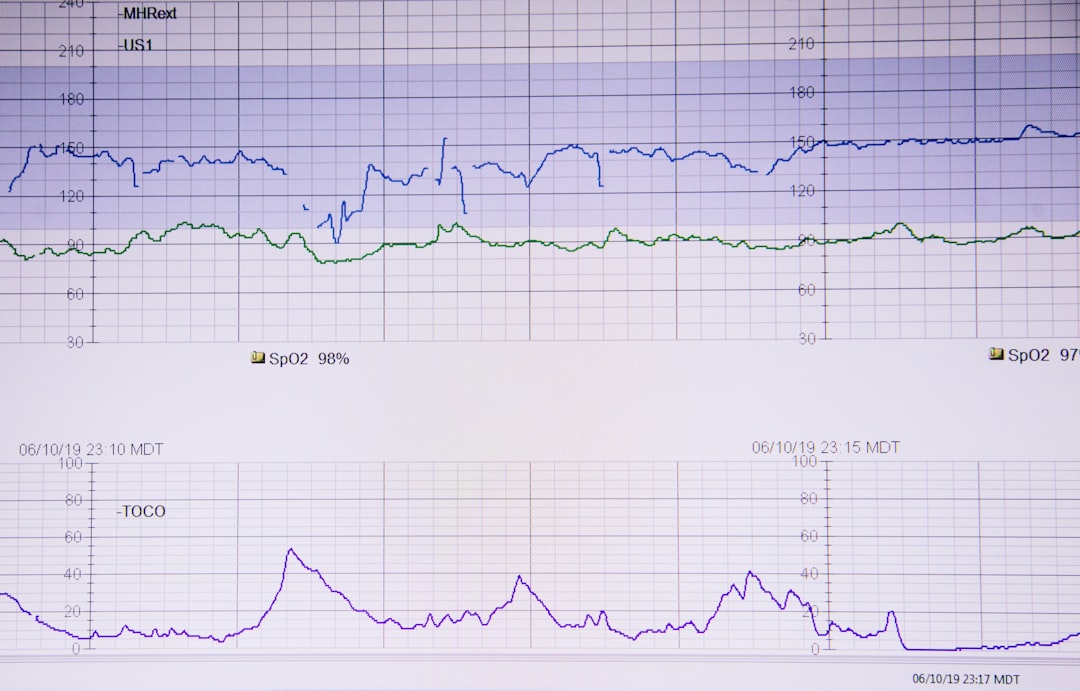
Cardiovascular health encompasses the well-being of the heart and blood vessels, which are crucial for maintaining overall health. The cardiovascular system is responsible for transporting oxygen, nutrients, and hormones throughout the body while removing waste products. A well-functioning cardiovascular system is vital for sustaining life and preventing diseases such as hypertension, coronary artery disease, and stroke.
Understanding the risk factors associated with cardiovascular diseases is essential for prevention and management. These risk factors include hypertension, high cholesterol levels, diabetes, obesity, smoking, and a sedentary lifestyle. The significance of cardiovascular health cannot be overstated.
According to the World Health Organization (WHO), cardiovascular diseases are the leading cause of death globally, accounting for approximately 31% of all deaths. This alarming statistic highlights the need for individuals to prioritize their heart health through lifestyle modifications and regular medical check-ups. By understanding the intricacies of cardiovascular health, individuals can take proactive measures to mitigate risks and enhance their quality of life.
Key Takeaways
- Understanding Cardiovascular Health:
- Cardiovascular health is essential for overall well-being and longevity.
- Diet and Nutrition for a Healthy Heart:
- A balanced diet rich in fruits, vegetables, whole grains, and lean proteins is crucial for heart health.
- The Importance of Regular Exercise:
- Regular physical activity helps maintain a healthy heart and reduces the risk of cardiovascular diseases.
- Managing Stress for a Strong Heart:
- Stress management techniques such as meditation and yoga can help reduce the risk of heart disease.
- Quitting Smoking and Limiting Alcohol Intake:
- Quitting smoking and limiting alcohol intake are important for maintaining a healthy heart.
- Getting Regular Check-ups and Screenings:
- Regular check-ups and screenings are essential for early detection and prevention of heart-related issues.
Diet and Nutrition for a Healthy Heart
A heart-healthy diet is foundational for maintaining optimal cardiovascular health. Nutrition plays a pivotal role in managing cholesterol levels, blood pressure, and overall heart function. A diet rich in fruits, vegetables, whole grains, lean proteins, and healthy fats can significantly reduce the risk of heart disease.
The Mediterranean diet, characterized by high consumption of olive oil, fish, nuts, and legumes, has been extensively studied and shown to promote heart health. Incorporating specific nutrients into one’s diet can further enhance cardiovascular well-being. Omega-3 fatty acids, found in fatty fish like salmon and mackerel, have anti-inflammatory properties that can lower triglyceride levels and reduce the risk of arrhythmias.
Antioxidants from fruits and vegetables help combat oxidative stress, which can damage blood vessels. Additionally, fiber-rich foods can aid in lowering cholesterol levels and improving gut health. It is essential to limit saturated fats, trans fats, sodium, and added sugars to maintain a balanced diet conducive to heart health.
The Importance of Regular Exercise

Regular physical activity is a cornerstone of cardiovascular health. Engaging in aerobic exercises such as walking, running, cycling, or swimming can strengthen the heart muscle, improve circulation, and enhance overall endurance. The American Heart Association recommends at least 150 minutes of moderate-intensity aerobic exercise or 75 minutes of vigorous-intensity exercise per week for adults.
This level of activity not only helps maintain a healthy weight but also reduces the risk of developing chronic diseases. In addition to aerobic exercises, incorporating strength training into one’s routine is beneficial for cardiovascular health. Resistance training helps build muscle mass, which can improve metabolism and aid in weight management.
Furthermore, exercise has been shown to have positive effects on mental health by reducing stress and anxiety levels. By establishing a consistent exercise regimen, individuals can significantly improve their cardiovascular fitness and overall well-being.
Managing Stress for a Strong Heart
| Stress Management Technique | Effectiveness |
|---|---|
| Deep Breathing | High |
| Exercise | High |
| Meditation | High |
| Healthy Diet | Medium |
| Social Support | Medium |
Chronic stress is a significant contributor to cardiovascular disease. When individuals experience stress, the body releases hormones such as cortisol and adrenaline that can lead to increased heart rate and blood pressure. Over time, these physiological responses can damage blood vessels and increase the risk of heart disease.
Therefore, effective stress management techniques are essential for maintaining cardiovascular health. Mindfulness practices such as meditation, yoga, and deep-breathing exercises can help mitigate stress levels. These techniques promote relaxation and have been shown to lower blood pressure and improve heart rate variability.
Additionally, engaging in hobbies or activities that bring joy can serve as a natural stress reliever. Building a strong support network of friends and family can also provide emotional support during challenging times. By prioritizing stress management strategies, individuals can foster a healthier heart.
Quitting Smoking and Limiting Alcohol Intake
Smoking is one of the most significant modifiable risk factors for cardiovascular disease. The harmful chemicals in tobacco smoke can damage blood vessels, reduce oxygen supply to the heart, and increase the likelihood of clot formation. Quitting smoking is one of the most effective ways to improve cardiovascular health and reduce the risk of heart disease.
Numerous resources are available to assist individuals in their journey to quit smoking, including counseling services, nicotine replacement therapies (NRT), and prescription medications such as varenicline (Chantix) or bupropion (Zyban). Alcohol consumption should also be moderated to promote heart health. While some studies suggest that moderate alcohol intake may have protective effects on the heart due to increased HDL cholesterol levels, excessive alcohol consumption can lead to hypertension, cardiomyopathy, and arrhythmias.
The Centers for Disease Control and Prevention (CDC) defines moderate drinking as up to one drink per day for women and up to two drinks per day for men. Individuals should assess their alcohol consumption habits and make necessary adjustments to support their cardiovascular health.
Getting Regular Check-ups and Screenings

Regular medical check-ups are crucial for monitoring cardiovascular health and identifying potential issues early on. Routine screenings for blood pressure, cholesterol levels, and blood glucose levels can provide valuable insights into an individual’s cardiovascular risk profile. The American Heart Association recommends that adults have their blood pressure checked at least once every two years if it is within normal ranges; otherwise, more frequent monitoring may be necessary.
Additionally, healthcare providers may recommend further testing such as electrocardiograms (ECGs), echocardiograms, or stress tests based on individual risk factors or symptoms. These diagnostic tools can help assess heart function and detect any abnormalities that may require intervention. By staying proactive with regular check-ups and screenings, individuals can take charge of their cardiovascular health and make informed decisions regarding their lifestyle choices.
Maintaining a Healthy Weight
Obesity is a significant risk factor for developing cardiovascular diseases due to its association with hypertension, dyslipidemia, and insulin resistance. Maintaining a healthy weight through a balanced diet and regular physical activity is essential for reducing these risks. The Body Mass Index (BMI) is commonly used to assess weight status; a BMI between 18.5 and 24.9 is considered healthy.
To achieve and maintain a healthy weight, individuals should focus on creating a caloric deficit through dietary modifications and increased physical activity. Tracking food intake using apps or journals can help individuals become more aware of their eating habits and make healthier choices. Additionally, setting realistic weight loss goals—such as losing 1-2 pounds per week—can lead to sustainable changes over time.
By prioritizing weight management strategies, individuals can significantly improve their cardiovascular health.
Tips for Lowering High Blood Pressure
Hypertension is often referred to as the “silent killer” due to its lack of noticeable symptoms while causing significant damage to the cardiovascular system over time. To lower high blood pressure effectively, individuals should adopt lifestyle changes that promote heart health. One effective strategy is reducing sodium intake; the American Heart Association recommends limiting sodium consumption to no more than 2,300 mg per day.
Incorporating potassium-rich foods such as bananas, sweet potatoes, spinach, and avocados can also help regulate blood pressure levels by counteracting sodium’s effects. Regular physical activity plays a vital role in managing hypertension; even moderate exercise can lead to significant reductions in blood pressure readings. Additionally, practicing relaxation techniques such as yoga or meditation can help lower stress levels and subsequently reduce blood pressure.
Incorporating Heart-Healthy Foods into Your Diet
Incorporating heart-healthy foods into one’s diet is essential for promoting cardiovascular well-being. Foods rich in omega-3 fatty acids—such as fatty fish (salmon, sardines), walnuts, flaxseeds—are known for their anti-inflammatory properties that support heart health. Whole grains like oats, quinoa, and brown rice provide essential fiber that aids in cholesterol management.
Fruits and vegetables are also critical components of a heart-healthy diet due to their high antioxidant content that combats oxidative stress. Berries—such as blueberries and strawberries—are particularly beneficial due to their high levels of flavonoids that have been linked to improved heart health outcomes. Incorporating legumes like beans and lentils into meals provides plant-based protein while being low in saturated fat.
By focusing on these nutrient-dense foods, individuals can create a diet that supports optimal cardiovascular function.
Finding Ways to Stay Active and Fit
Staying active is vital for maintaining cardiovascular health throughout life stages. Finding enjoyable activities can make it easier to incorporate physical activity into daily routines. Group classes such as Zumba or spin cycling offer social interaction while providing an excellent workout experience.
Outdoor activities like hiking or biking not only promote fitness but also allow individuals to connect with nature. Incorporating movement into everyday tasks can also contribute to overall fitness levels; taking the stairs instead of elevators or walking during lunch breaks are simple yet effective strategies for increasing daily activity levels. Setting specific fitness goals—such as completing a 5K run or participating in a local sports league—can provide motivation while fostering a sense of accomplishment.
By prioritizing physical activity in enjoyable ways, individuals can enhance their cardiovascular fitness.
Creating a Supportive and Healthy Lifestyle for Your Heart
Creating a supportive environment conducive to heart health involves surrounding oneself with positive influences that encourage healthy behaviors.
Additionally, participating in community programs focused on nutrition education or physical activity can provide valuable resources for maintaining a healthy lifestyle.
Establishing routines that prioritize self-care—such as meal prepping healthy meals or scheduling regular exercise sessions—can help individuals stay committed to their heart health goals. Furthermore, seeking professional guidance from registered dietitians or personal trainers can provide tailored advice based on individual needs and preferences. By cultivating a supportive lifestyle centered around heart health principles, individuals can significantly reduce their risk of cardiovascular diseases.
In summary, prioritizing cardiovascular health involves understanding its significance while implementing lifestyle changes that promote well-being. A balanced diet rich in nutrients combined with regular exercise plays a crucial role in maintaining heart function.
Regular check-ups allow for early detection of potential issues while maintaining a healthy weight contributes significantly to reducing risks associated with heart disease. By adopting these strategies collectively within supportive environments focused on healthy living principles—individuals can enhance their quality of life while safeguarding their hearts against disease.
For more information on cardiovascular health, check out the article Common Mistakes to Avoid When Working with a Lawyer in 2025. This article may not seem related at first glance, but it discusses the importance of communication and trust in professional relationships, which are also crucial factors in maintaining a healthy heart. It highlights the significance of avoiding misunderstandings and seeking clarity, which can also be applied to managing cardiovascular health through clear communication with healthcare providers.
FAQs
What is cardiovascular health?
Cardiovascular health refers to the overall health and function of the heart and blood vessels. It encompasses the prevention and management of conditions such as heart disease, stroke, and high blood pressure.
Why is cardiovascular health important?
Cardiovascular health is important because the heart and blood vessels play a crucial role in supplying oxygen and nutrients to the body’s tissues and organs. Maintaining good cardiovascular health can reduce the risk of developing heart disease, stroke, and other related conditions.
What are some ways to improve cardiovascular health?
Some ways to improve cardiovascular health include regular exercise, maintaining a healthy diet, managing stress, avoiding tobacco use, limiting alcohol consumption, and getting regular check-ups with a healthcare provider.
What are some risk factors for poor cardiovascular health?
Risk factors for poor cardiovascular health include high blood pressure, high cholesterol, diabetes, obesity, smoking, excessive alcohol consumption, a sedentary lifestyle, and a poor diet high in saturated fats, trans fats, and sodium.
What are some common cardiovascular diseases?
Common cardiovascular diseases include coronary artery disease, heart failure, arrhythmias, heart valve problems, peripheral artery disease, and stroke.
How can I monitor my cardiovascular health?
You can monitor your cardiovascular health by getting regular check-ups with a healthcare provider, keeping track of your blood pressure and cholesterol levels, maintaining a healthy weight, staying physically active, and paying attention to any symptoms or changes in your heart health.