Now Reading: Advancements in Cardiology: A Look at the Latest Research
-
01
Advancements in Cardiology: A Look at the Latest Research
Advancements in Cardiology: A Look at the Latest Research
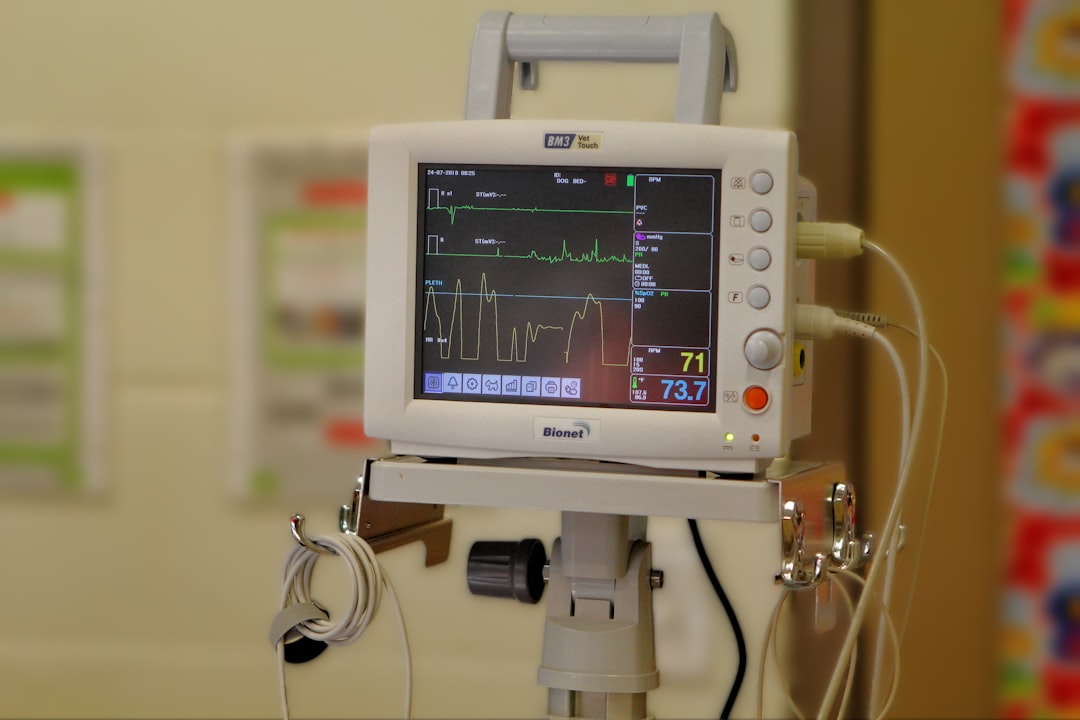
Cardiology research is a dynamic and rapidly evolving field that focuses on understanding the complexities of the cardiovascular system, including the heart and blood vessels. This discipline encompasses a wide range of studies aimed at improving the prevention, diagnosis, and treatment of cardiovascular diseases (CVD), which remain the leading cause of morbidity and mortality worldwide. The significance of cardiology research cannot be overstated, as it not only enhances our understanding of heart conditions but also drives innovations that can lead to improved patient outcomes.
The field has witnessed remarkable advancements over the past few decades, fueled by technological innovations, genetic discoveries, and a deeper understanding of the pathophysiology of heart diseases.
This article will explore various facets of cardiology research, highlighting cutting-edge imaging techniques, genetic advancements, novel therapies, and the integration of artificial intelligence in cardiac care.
Key Takeaways
- Cardiology research is constantly evolving with cutting-edge imaging techniques, advances in genetics, and personalized medicine.
- Novel therapies for heart failure and arrhythmias are offering new hope for patients with cardiovascular conditions.
- Minimally invasive cardiac procedures are revolutionizing the field, providing less invasive options for patients.
- Artificial intelligence is playing a significant role in cardiology, aiding in diagnosis, treatment, and patient care.
- The impact of telemedicine on cardiac care is significant, offering new opportunities for remote monitoring and management of cardiovascular conditions.
Cutting-Edge Imaging Techniques in Cardiology
Imaging techniques play a pivotal role in cardiology, providing essential insights into the structure and function of the heart. Traditional modalities such as echocardiography and angiography have been enhanced by advanced imaging technologies, including cardiac magnetic resonance imaging (MRI) and computed tomography (CT) angiography. These state-of-the-art techniques offer high-resolution images that facilitate accurate diagnosis and treatment planning.
Cardiac MRI, for instance, is invaluable for assessing myocardial viability, detecting ischemic heart disease, and evaluating cardiomyopathies. It employs powerful magnetic fields and radio waves to generate detailed images of the heart’s anatomy and function without exposing patients to ionizing radiation. Similarly, CT angiography allows for non-invasive visualization of coronary arteries, enabling clinicians to identify blockages or abnormalities with remarkable precision.
The integration of these advanced imaging modalities into clinical practice has significantly improved diagnostic accuracy and patient management.
Advances in Cardiovascular Genetics and Personalized Medicine
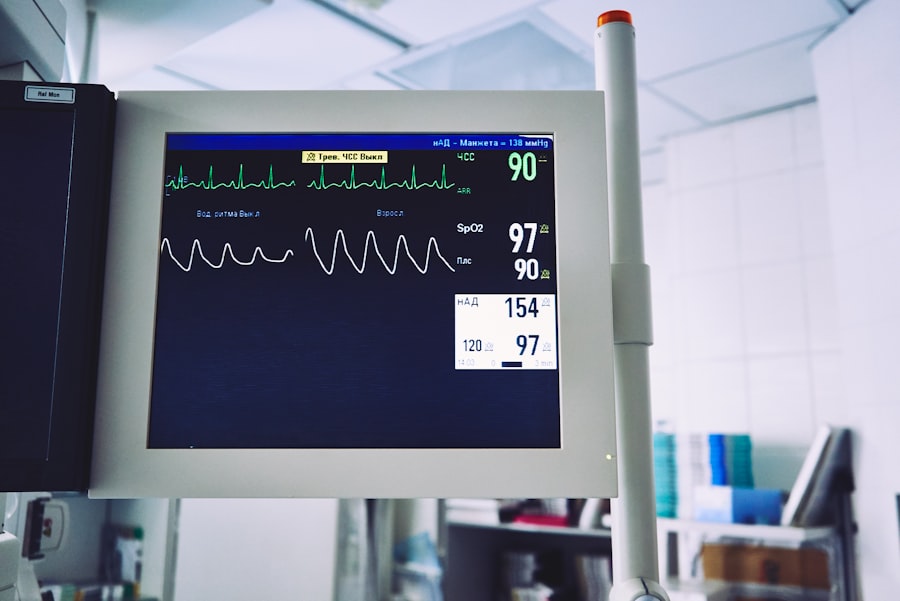
The field of cardiovascular genetics has made significant strides in recent years, leading to a better understanding of hereditary heart conditions and their underlying mechanisms. Genetic testing has become an essential tool in identifying individuals at risk for familial hypercholesterolemia, hypertrophic cardiomyopathy, and other inherited disorders. By elucidating the genetic basis of these conditions, clinicians can implement targeted interventions to mitigate risks and improve patient outcomes.
Personalized medicine is at the forefront of cardiology research, allowing for tailored treatment strategies based on an individual’s genetic profile. Pharmacogenomics, the study of how genes affect a person’s response to drugs, is particularly relevant in this context. For example, variations in genes such as CYP2C19 can influence the efficacy of antiplatelet medications like clopidogrel in patients undergoing percutaneous coronary intervention (PCI).
By utilizing genetic information, healthcare providers can optimize medication regimens, minimizing adverse effects while maximizing therapeutic benefits.
Novel Therapies for Heart Failure and Arrhythmias
| Treatment | Success Rate | Side Effects |
|---|---|---|
| Cardiac Resynchronization Therapy | 70% | Risk of infection, lead dislodgement |
| Ventricular Assist Devices | 80% | Bleeding, infection, device malfunction |
| Gene Therapy | 60% | Immune response, off-target effects |
Heart failure (HF) remains a significant public health challenge, affecting millions globally. Recent research has led to the development of novel therapies aimed at improving outcomes for patients with this debilitating condition. One such advancement is the introduction of sodium-glucose cotransporter-2 (SGLT2) inhibitors, originally designed for diabetes management but now recognized for their cardiovascular benefits.
Clinical trials have demonstrated that these agents can reduce hospitalizations for heart failure and improve overall survival rates. In addition to pharmacological advancements, innovative devices such as implantable cardioverter-defibrillators (ICDs) and cardiac resynchronization therapy (CRT) have transformed the management of arrhythmias and heart failure. These devices monitor cardiac rhythms and deliver electrical shocks when necessary to restore normal heart function.
Furthermore, catheter ablation techniques have emerged as effective treatments for atrial fibrillation, allowing for targeted destruction of abnormal electrical pathways within the heart.
Breakthroughs in Minimally Invasive Cardiac Procedures
Minimally invasive cardiac procedures have revolutionized the treatment landscape for various cardiovascular conditions. Techniques such as transcatheter aortic valve replacement (TAVR) and percutaneous coronary interventions (PCI) have gained prominence due to their ability to reduce recovery times and complications associated with traditional open-heart surgery. TAVR, in particular, has become a standard treatment option for patients with severe aortic stenosis who are deemed high-risk for surgical intervention.
The benefits of minimally invasive approaches extend beyond reduced hospital stays; they also enhance patient comfort and satisfaction. With smaller incisions and less trauma to surrounding tissues, patients experience less postoperative pain and quicker return to daily activities. As technology continues to advance, we can expect further innovations in this area, including robotic-assisted surgeries that offer even greater precision and control.
The Role of Artificial Intelligence in Cardiology
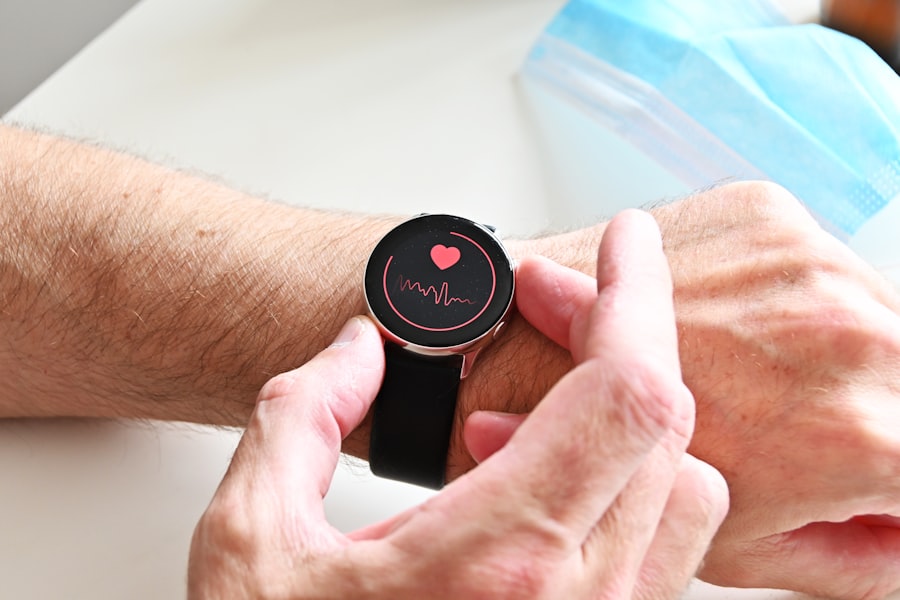
Artificial intelligence (AI) is making significant inroads into cardiology research and clinical practice. Machine learning algorithms are being developed to analyze vast amounts of data from electronic health records, imaging studies, and wearable devices. These algorithms can identify patterns that may not be readily apparent to human clinicians, leading to earlier detection of cardiovascular diseases and more accurate risk stratification.
AI-driven tools are also being utilized in diagnostic imaging. For instance, deep learning techniques can enhance image interpretation in echocardiography and cardiac MRI, improving diagnostic accuracy while reducing the workload on radiologists. Furthermore, AI applications are being explored in predicting patient outcomes following interventions, allowing for more informed decision-making in clinical settings.
Emerging Biomarkers for Early Detection and Prevention of Cardiovascular Disease
Biomarkers play a crucial role in the early detection and prevention of cardiovascular diseases. Recent research has identified several novel biomarkers that hold promise for improving risk assessment and guiding therapeutic interventions. For example, high-sensitivity troponin assays have revolutionized the diagnosis of acute myocardial infarction by detecting even minute elevations in troponin levels.
Other emerging biomarkers include natriuretic peptides (BNP and NT-proBNP), which are valuable indicators of heart failure severity. Additionally, inflammatory markers such as C-reactive protein (CRP) have been linked to cardiovascular risk, prompting investigations into their potential use in preventive strategies. By integrating these biomarkers into routine clinical practice, healthcare providers can enhance early detection efforts and implement timely interventions to mitigate cardiovascular risks.
Advancements in Cardiac Rehabilitation and Lifestyle Interventions
Cardiac rehabilitation is an essential component of comprehensive cardiovascular care, focusing on improving patients’ physical fitness and overall well-being following cardiac events or procedures. Recent advancements in this field emphasize personalized exercise programs tailored to individual needs and capabilities. These programs not only enhance physical fitness but also promote psychological well-being through support groups and counseling.
Lifestyle interventions play a critical role in preventing cardiovascular diseases. Evidence-based guidelines recommend dietary modifications such as adopting a Mediterranean diet rich in fruits, vegetables, whole grains, lean proteins, and healthy fats. Additionally, smoking cessation programs and stress management techniques are integral components of lifestyle interventions aimed at reducing cardiovascular risk factors.
The Impact of Telemedicine on Cardiac Care
Telemedicine has emerged as a transformative force in cardiac care, particularly during the COVID-19 pandemic when in-person visits were limited. Remote monitoring technologies enable healthcare providers to track patients’ vital signs and symptoms from the comfort of their homes. This approach not only enhances patient engagement but also allows for timely interventions when abnormalities are detected.
Telehealth consultations have become increasingly popular for follow-up appointments and routine check-ups. Patients benefit from reduced travel time and increased access to specialists who may not be available locally. As telemedicine continues to evolve, it holds the potential to bridge gaps in care delivery and improve access to cardiovascular services for underserved populations.
Future Directions in Cardiology Research
The future of cardiology research is poised for exciting developments driven by ongoing advancements in technology and scientific understanding. Areas such as regenerative medicine hold promise for repairing damaged cardiac tissue through stem cell therapy or tissue engineering approaches. Additionally, ongoing research into gene editing technologies like CRISPR may pave the way for targeted therapies that address genetic predispositions to cardiovascular diseases.
Furthermore, interdisciplinary collaborations between cardiologists, geneticists, data scientists, and engineers will be crucial in driving innovation forward. The integration of big data analytics into cardiovascular research will enable researchers to uncover new insights into disease mechanisms and treatment responses.
Implications for Patient Care and Public Health
In conclusion, cardiology research is at the forefront of medical innovation, with significant implications for patient care and public health. The integration of cutting-edge imaging techniques, advancements in genetics and personalized medicine, novel therapies for heart failure and arrhythmias, minimally invasive procedures, artificial intelligence applications, emerging biomarkers, lifestyle interventions, telemedicine advancements, and future research directions collectively contribute to improved outcomes for individuals with cardiovascular diseases. As we continue to unravel the complexities of cardiovascular health through rigorous research efforts, it is imperative that healthcare providers remain informed about these advancements to optimize patient care strategies effectively.
By embracing these innovations, we can work towards reducing the burden of cardiovascular diseases on individuals and society as a whole. In summary:
– Cardiology research is vital for understanding cardiovascular diseases.
– Advanced imaging techniques enhance diagnostic accuracy.
– Genetic advancements enable personalized medicine approaches.
– Novel therapies improve outcomes for heart failure patients.
– Minimally invasive procedures reduce recovery times.
– AI plays a transformative role in diagnostics.
– Emerging biomarkers aid early detection.
– Cardiac rehabilitation focuses on lifestyle interventions.
– Telemedicine enhances access to care.
– Future directions include regenerative medicine and interdisciplinary collaboration. Through continued investment in research and innovation within cardiology, we can aspire to create a healthier future where cardiovascular diseases are effectively managed or even prevented altogether.
If you’re interested in learning more about the most well-known figures in America, you may want to check out this article. It provides insight into the individuals who have made a significant impact on American society. As a cardiologist, understanding the history and influence of prominent figures can help you better connect with your patients and provide more personalized care.
FAQs
What is a cardiologist?
A cardiologist is a medical doctor who specializes in diagnosing and treating diseases and conditions of the heart and blood vessels.
What conditions do cardiologists treat?
Cardiologists treat a wide range of conditions including heart disease, heart attacks, high blood pressure, heart rhythm disorders, and heart failure.
What are the common procedures performed by cardiologists?
Common procedures performed by cardiologists include angioplasty, stent placement, cardiac catheterization, and implantation of pacemakers and defibrillators.
When should I see a cardiologist?
You should see a cardiologist if you have symptoms such as chest pain, shortness of breath, dizziness, or palpitations. You should also see a cardiologist if you have risk factors for heart disease such as high blood pressure, diabetes, or a family history of heart disease.
How can I prevent heart disease?
To prevent heart disease, it is important to maintain a healthy lifestyle by eating a balanced diet, exercising regularly, not smoking, and managing stress. It is also important to have regular check-ups with a healthcare provider to monitor your heart health.