Now Reading: 5 Tips for a Lush and Healthy Lawn
-
01
5 Tips for a Lush and Healthy Lawn
5 Tips for a Lush and Healthy Lawn

Soil testing serves as the foundation for successful lawn and garden management by providing detailed analysis of nutrient content, pH levels, and soil composition. This diagnostic process enables property owners and landscape professionals to implement targeted soil amendments and fertilization programs based on specific soil conditions rather than general assumptions. Laboratory soil analysis identifies concentrations of primary macronutrients including nitrogen, phosphorus, and potassium, along with secondary nutrients such as calcium, magnesium, and sulfur.
Testing also measures soil pH, which directly affects nutrient availability to plants, and can detect the presence of heavy metals or other potentially harmful substances that may impede plant development. The soil testing process requires collecting representative samples from multiple locations across the target area at a depth of 4-6 inches. Samples should be taken from areas with similar growing conditions and combined to create a composite sample for laboratory evaluation.
Professional soil laboratories provide comprehensive reports detailing nutrient levels, pH measurements, and specific recommendations for soil amendments. Test results guide precise corrective actions: soils with pH below 6.0 may require limestone application to reduce acidity, while pH levels above 7.5 might need sulfur or organic matter to increase acidity. Nutrient deficiencies are addressed through targeted fertilizer applications based on actual soil needs rather than generic feeding schedules.
Soil testing should be repeated every two to three years to monitor changes in soil chemistry and adjust management practices accordingly.
Key Takeaways
- Soil testing is essential to understand nutrient needs and ensure healthy lawn growth.
- Selecting the appropriate grass type based on climate and soil conditions improves lawn success.
- Proper watering and fertilizing techniques promote optimal grass growth and resilience.
- Regular mowing, aeration, and dethatching maintain lawn health and prevent soil compaction.
- Managing weeds, pests, and sunlight exposure is crucial for a thriving, well-maintained lawn.
Choosing the Right Grass Type
Selecting the appropriate grass type is paramount for achieving a lush and vibrant lawn. Different grass species have varying requirements for sunlight, water, and soil conditions. Cool-season grasses, such as Kentucky bluegrass and fescue, thrive in northern climates with cooler temperatures, while warm-season grasses like Bermuda and zoysia are better suited for southern regions with higher temperatures.
In addition to climate considerations, one must also evaluate the intended use of the lawn. For high-traffic areas, durable grass types such as tall fescue or perennial ryegrass may be more suitable due to their resilience.
Conversely, if the lawn is primarily for aesthetic purposes, finer-textured grasses may be preferred. Furthermore, factors such as drought tolerance and disease resistance should also be taken into account when selecting grass types. By aligning grass selection with environmental conditions and usage needs, homeowners can cultivate a lawn that thrives year-round.
Proper Watering Techniques
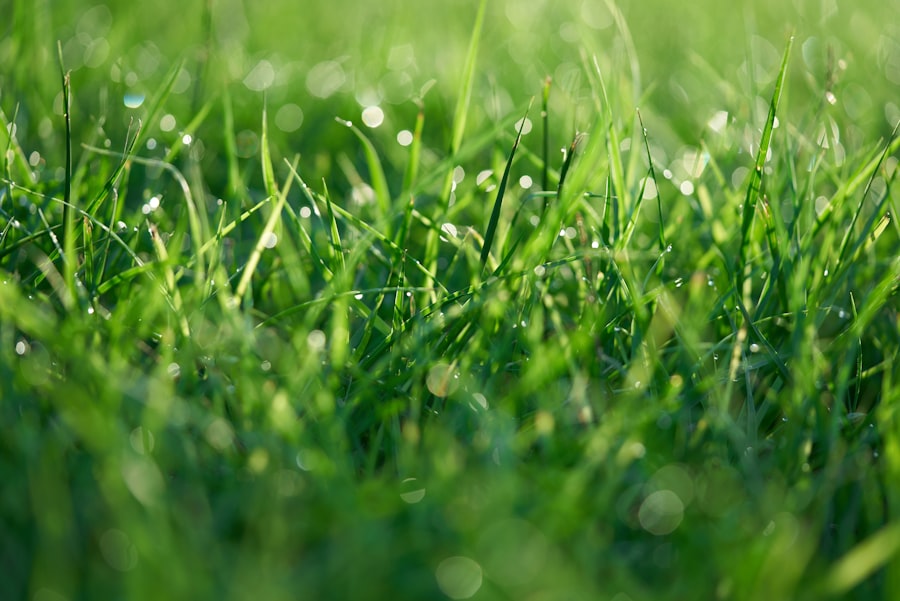
Effective watering techniques are crucial for maintaining a healthy lawn. Overwatering can lead to shallow root systems and increased susceptibility to diseases, while underwatering can cause stress and browning. The key to successful irrigation lies in understanding the specific water needs of the chosen grass type and local weather patterns.
Generally, lawns require about 1 to 1.5 inches of water per week, including rainfall. To optimize watering practices, it is advisable to water early in the morning when evaporation rates are lower. This allows moisture to penetrate deeply into the soil while minimizing water loss.
Utilizing a soaker hose or drip irrigation system can also enhance efficiency by delivering water directly to the root zone. Additionally, monitoring soil moisture levels with a moisture meter can help determine when watering is necessary, ensuring that plants receive adequate hydration without excess.
Fertilizing for Optimal Growth
Fertilization plays a pivotal role in promoting healthy grass growth and overall lawn vitality. The application of fertilizers provides essential nutrients that may be lacking in the soil, supporting robust root development and lush foliage. A balanced fertilizer containing nitrogen (N), phosphorus (P), and potassium (K) is typically recommended for optimal growth.
The N-P-K ratio on fertilizer bags indicates the relative proportions of these nutrients. Timing is critical when it comes to fertilization. For cool-season grasses, early spring and fall are ideal times for application, as these periods coincide with peak growth phases.
Conversely, warm-season grasses benefit from fertilization in late spring through summer when they are actively growing. It is also important to follow recommended application rates to avoid nutrient runoff and potential environmental harm. Incorporating slow-release fertilizers can provide a steady supply of nutrients over time, reducing the frequency of applications.
Controlling Weeds and Pests
| Metric | Value | Unit | Description |
|---|---|---|---|
| Average Lawn Size | 0.25 | Acres | Typical residential lawn area |
| Grass Growth Rate | 2.5 | Inches per week | Average growth during peak season |
| Water Usage | 1 | Inches per week | Recommended irrigation amount |
| Mowing Frequency | 1-2 | Times per week | Recommended mowing schedule |
| Fertilizer Application | 3-4 | Times per year | Recommended fertilizing frequency |
| Typical Grass Height | 3 | Inches | Optimal mowing height |
| Soil pH | 6.0-7.0 | pH units | Ideal soil acidity for lawn grass |
Weed and pest management is essential for maintaining a healthy lawn ecosystem. Weeds compete with grass for nutrients, water, and sunlight, often leading to diminished lawn quality. Effective weed control strategies include pre-emergent herbicides that prevent weed seeds from germinating and post-emergent herbicides that target existing weeds.
Hand-pulling weeds can also be effective for small infestations. Pest control requires vigilance and knowledge of common lawn pests such as grubs, chinch bugs, and armyworms. Integrated Pest Management (IPM) strategies emphasize prevention through cultural practices like proper watering and fertilization while utilizing chemical controls only when necessary.
Regular monitoring for signs of pest activity allows for timely intervention before infestations escalate. By employing a combination of preventive measures and targeted treatments, homeowners can protect their lawns from both weeds and pests effectively.
Mowing and Trimming Tips
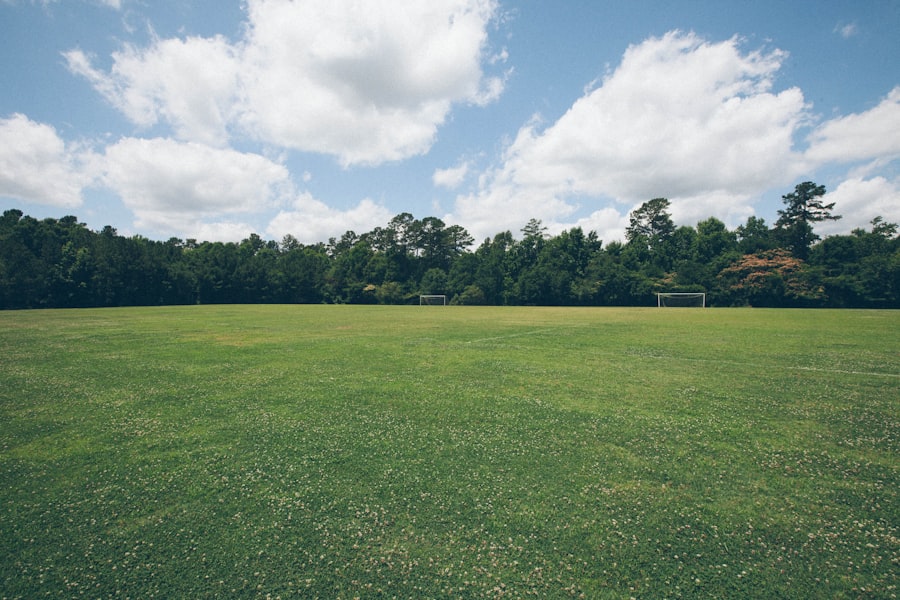
Mowing is not merely an aesthetic practice; it significantly impacts grass health and growth patterns. Maintaining an appropriate mowing height is crucial; cutting grass too short can stress plants and expose them to diseases. Generally, cool-season grasses should be mowed at a height of 2.5 to 4 inches, while warm-season varieties thrive at 1 to 3 inches.
Adhering to these guidelines promotes deeper root systems and enhances drought resistance. Additionally, using sharp mower blades ensures clean cuts that minimize damage to grass blades. Mowing frequency should be adjusted based on growth rates; during peak growing seasons, more frequent mowing may be necessary to maintain optimal height.
It is also beneficial to vary mowing patterns to prevent soil compaction and promote even growth across the lawn. Trimming edges and borders enhances the overall appearance while preventing encroachment of unwanted vegetation.
Aeration and Dethatching
Aeration is a vital practice that alleviates soil compaction and enhances root development by allowing air, water, and nutrients to penetrate deeper into the soil profile. This process involves perforating the soil with holes to create channels for improved movement of essential elements. Aeration is particularly beneficial for lawns experiencing heavy foot traffic or those with clay soils prone to compaction.
Dethatching complements aeration by removing excessive thatch buildup—an accumulation of dead grass clippings and organic matter that can impede water absorption and promote disease development. Thatch layers exceeding half an inch should be addressed through dethatching methods such as raking or using specialized dethatching equipment. By incorporating both aeration and dethatching into regular lawn care routines, homeowners can foster healthier grass growth and improve overall lawn resilience.
Managing Shade and Sunlight
Light exposure significantly influences grass health; therefore, managing shade and sunlight is crucial for optimal growth. Different grass types have varying tolerances to shade; for instance, fine fescue varieties thrive in low-light conditions while Kentucky bluegrass prefers full sun exposure.
In shaded areas where grass struggles to grow, consider alternatives such as shade-tolerant ground covers or ornamental plants that thrive in low-light conditions. Pruning overhanging branches can also improve light penetration while enhancing airflow around grass blades—reducing humidity levels that contribute to disease development. By understanding light requirements and making necessary adjustments, homeowners can create thriving lawns even in challenging environments.
Dealing with Compacted Soil
Compacted soil poses significant challenges for lawn health by restricting root growth and limiting water infiltration. Compaction often occurs due to heavy foot traffic or machinery use on lawns; therefore, recognizing its presence is essential for effective management. Signs of compacted soil include poor drainage, sparse grass growth, and increased weed proliferation.
To address compaction issues, aeration is one of the most effective solutions as it creates channels for air and moisture movement within the soil profile. Additionally, incorporating organic matter such as compost can improve soil structure over time by enhancing its ability to retain moisture while promoting beneficial microbial activity. Regularly rotating high-traffic areas or utilizing pathways can also help mitigate compaction effects on lawns.
Implementing a Proper Maintenance Schedule
Establishing a comprehensive maintenance schedule is vital for sustaining a healthy lawn throughout the year. This schedule should encompass key activities such as mowing, watering, fertilization, aeration, pest control, and seasonal clean-up tasks like leaf removal or debris clearing. By adhering to a structured timeline, homeowners can ensure that their lawns receive consistent care tailored to seasonal needs.
Seasonal adjustments are crucial; for instance, spring may require more frequent mowing as grass begins its active growth phase while fall focuses on preparing lawns for winter dormancy through fertilization and aeration practices. Keeping records of maintenance activities can help track progress over time while identifying areas needing improvement or adjustment in care strategies.
Seeking Professional Help when Needed
While many homeowners take pride in managing their lawns independently, there are instances where professional assistance may be warranted. Lawn care specialists possess expertise in diagnosing complex issues such as pest infestations or nutrient deficiencies that may not be easily identifiable by untrained eyes. Additionally, they have access to advanced tools and products that can enhance treatment efficacy.
Engaging professional services can also save time and effort—allowing homeowners to enjoy their outdoor spaces without the burden of extensive maintenance tasks. When selecting a lawn care provider, it is essential to research credentials, customer reviews, and service offerings to ensure alignment with specific needs. In summary, maintaining a healthy lawn requires a multifaceted approach encompassing soil testing, appropriate grass selection, effective watering techniques, strategic fertilization practices, pest control measures, mowing guidelines, aeration methods, light management strategies, compaction solutions, maintenance scheduling, and professional assistance when necessary.
By implementing these practices diligently, homeowners can cultivate vibrant outdoor spaces that enhance property value while providing enjoyment for years to come.
If you’re looking to enhance your lawn care routine, you might find it interesting to explore how planning your schedule around federal holidays can help you manage your gardening tasks more effectively. For more insights on this topic, check out the article on 2024 Federal Holidays: Plan Your Year Ahead. This resource can help you align your lawn maintenance with your personal and family commitments throughout the year.
FAQs
What is a lawn?
A lawn is an area of land covered with grass that is maintained at a short height and used for aesthetic or recreational purposes.
What types of grass are commonly used for lawns?
Common lawn grasses include Kentucky bluegrass, Bermuda grass, fescue, ryegrass, and St. Augustine grass, each suited to different climates and soil types.
How often should a lawn be mowed?
Lawns are typically mowed once a week during the growing season, but frequency can vary depending on grass type, growth rate, and weather conditions.
What is the best time to water a lawn?
The best time to water a lawn is early in the morning, between 6 a.m. and 10 a.m., to reduce evaporation and allow grass to dry before evening, minimizing disease risk.
How can I prevent weeds in my lawn?
Preventing weeds involves regular mowing, proper watering, fertilization, and sometimes the use of pre-emergent or post-emergent herbicides.
What are common lawn diseases and how can they be treated?
Common lawn diseases include brown patch, dollar spot, and rust. Treatment involves proper lawn care practices and, if necessary, fungicide applications.
How do I fertilize my lawn properly?
Fertilize your lawn based on grass type and soil test results, typically applying fertilizer in early spring and fall to promote healthy growth.
What is aeration and why is it important for lawns?
Aeration involves perforating the soil with small holes to allow air, water, and nutrients to penetrate the grass roots, promoting healthier and stronger lawns.
Can lawns be environmentally friendly?
Yes, by using native grasses, reducing chemical use, conserving water, and incorporating organic lawn care practices, lawns can be more sustainable and eco-friendly.
How do I repair bare or damaged spots in my lawn?
Repair bare spots by removing dead grass, loosening the soil, reseeding or laying sod, and keeping the area moist until new grass establishes.