Now Reading: Exploring Ebro: The Untapped Potential of Spain’s Longest River
-
01
Exploring Ebro: The Untapped Potential of Spain’s Longest River
Exploring Ebro: The Untapped Potential of Spain’s Longest River
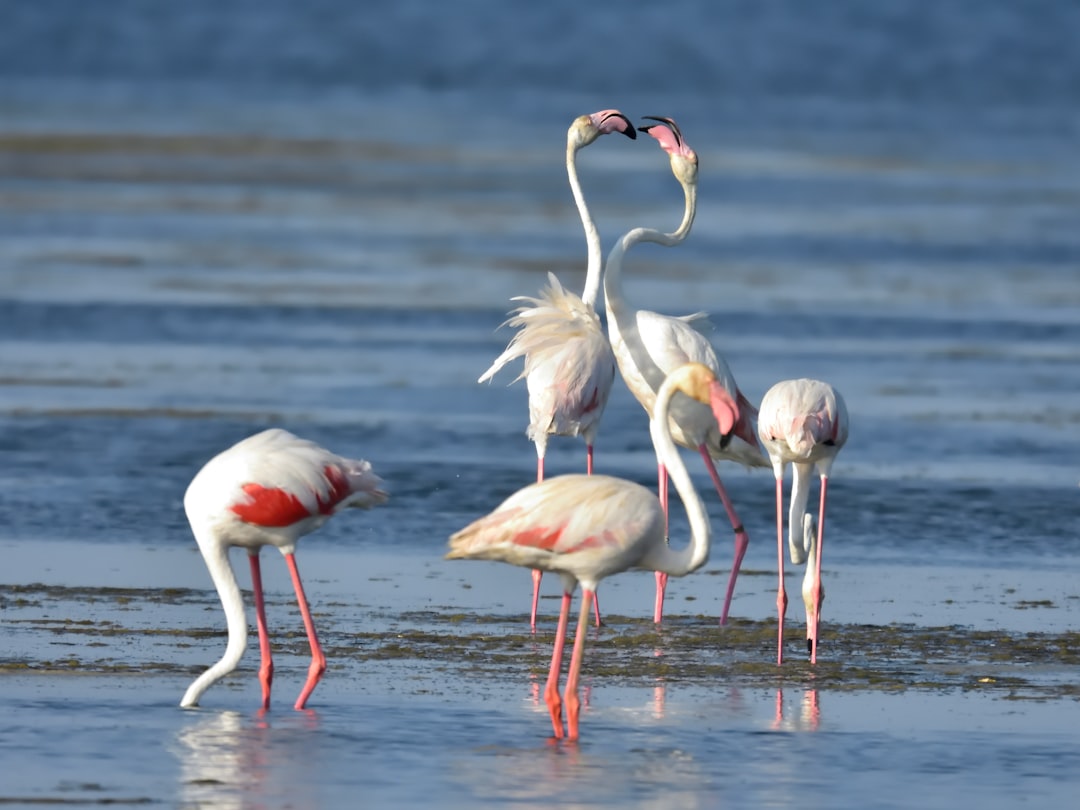
The Ebro River is Spain’s longest river, extending 910 kilometers (565 miles) from its source in the Cantabrian Mountains to its Mediterranean delta. The river flows through La Rioja, Aragon, and Catalonia, draining a basin of approximately 85,000 square kilometers (32,800 square miles). The Ebro serves as a critical water resource for agriculture, industry, and municipal use across these regions.
The river’s course features varied topography, including deep gorges, fertile plains, and valleys. Major tributaries include the Oja, Najerilla, and Gállego rivers. The Ebro experiences seasonal flow variations, with peak discharge typically occurring in spring due to snowmelt and precipitation in its mountainous headwaters.
The river system supports diverse ecosystems along its length, providing habitat for numerous plant and animal species. The Ebro delta, where the river meets the Mediterranean Sea, forms an important wetland area recognized for its ecological significance.
Key Takeaways
- The Ebro River is a vital natural and cultural landmark in Spain with rich historical significance.
- It supports diverse ecosystems and offers numerous outdoor recreational activities.
- The river plays a crucial role in agriculture, food production, and has potential for hydroelectric power.
- Human activities have impacted the river, highlighting the need for conservation and sustainable tourism.
- Protecting the Ebro River’s environment and cultural sites is essential for its sustainable future development.
The Ebro River’s significance in Spanish history and culture
Throughout history, the Ebro River has played a pivotal role in shaping the cultural and historical landscape of Spain. It served as a natural boundary for various civilizations, including the Romans, who recognized its strategic importance. The river was integral to trade routes and military campaigns, facilitating the movement of goods and armies across the region.
The Ebro’s banks are dotted with ancient settlements and archaeological sites that testify to its historical significance. Notable cities such as Zaragoza and Tortosa have thrived along its shores, contributing to the rich tapestry of Spanish heritage. Culturally, the Ebro has inspired countless artists, writers, and musicians.
Its picturesque landscapes and serene waters have been immortalized in literature and art, reflecting the deep connection between the river and the people who inhabit its banks. Festivals celebrating local traditions often take place along the river, showcasing regional cuisine, music, and dance. The Ebro is not merely a geographical feature; it embodies the spirit of the communities that have flourished alongside it.
The diverse ecosystems along the Ebro River
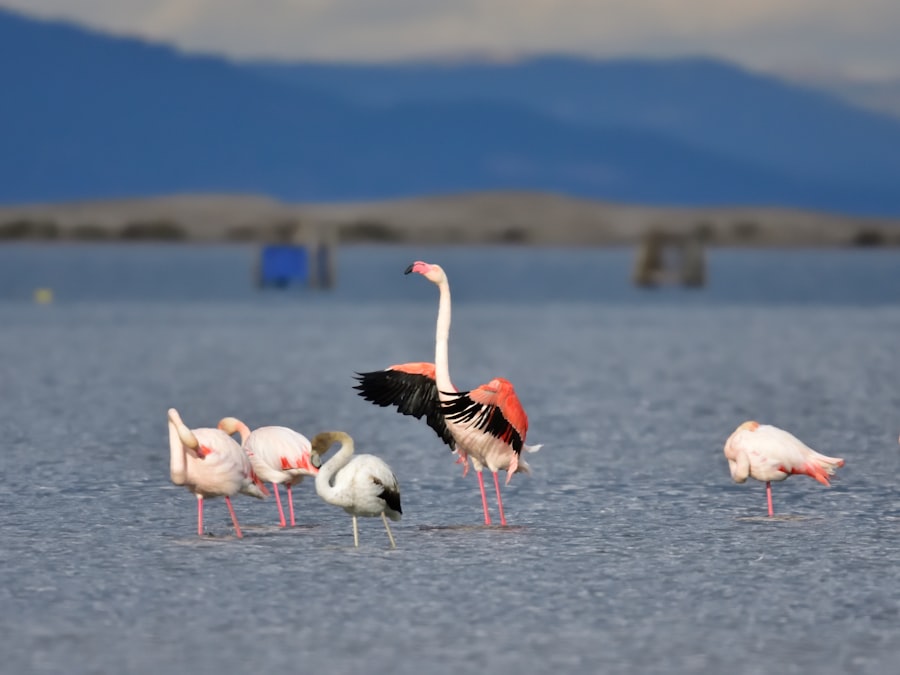
The Ebro River is home to a remarkable array of ecosystems that support a wide variety of plant and animal species. The river’s banks are lined with riparian forests, wetlands, and grasslands that provide essential habitats for wildlife. These ecosystems are characterized by their biodiversity, with numerous endemic species adapted to the unique conditions of the river environment.
The wetlands along the Ebro serve as crucial breeding grounds for migratory birds, making it an important stopover point on their journeys. In addition to avian species, the Ebro River supports a diverse range of aquatic life. Fish species such as the Iberian barbel and European eel thrive in its waters, while amphibians like frogs and salamanders inhabit the surrounding wetlands.
The river’s health is vital for maintaining these ecosystems; however, human activities pose significant threats to their integrity. Pollution, habitat destruction, and climate change are among the challenges that jeopardize the delicate balance of life along the Ebro.
Opportunities for outdoor recreation along the Ebro River
The Ebro River offers a plethora of opportunities for outdoor recreation, attracting nature enthusiasts and adventure seekers alike. Kayaking and canoeing are popular activities that allow individuals to explore the river’s winding paths while enjoying breathtaking views of the surrounding landscapes. The gentle flow of the Ebro makes it accessible for paddlers of all skill levels, from beginners to experienced adventurers.
Hiking trails along the river provide an excellent way to experience its natural beauty up close. These trails wind through picturesque valleys and offer stunning vistas of the surrounding mountains. Birdwatching is another popular pastime, with numerous vantage points along the river where enthusiasts can observe diverse bird species in their natural habitats.
Additionally, fishing is a cherished tradition along the Ebro, with anglers seeking out its abundant fish populations for both sport and sustenance.
The potential for sustainable tourism along the Ebro River
| Metric | Value | Unit | Notes |
|---|---|---|---|
| Length | 910 | km | Length of the Ebro River |
| Drainage Basin Area | 85,550 | km² | Area drained by the Ebro River |
| Average Discharge | 426 | m³/s | Average flow at the river mouth |
| Source Elevation | 1,900 | m | Elevation at the river source in the Cantabrian Mountains |
| Mouth | Mediterranean Sea | – | Where the river empties |
| Countries | Spain | – | Country through which the river flows |
Sustainable tourism presents a unique opportunity for the Ebro River region to thrive economically while preserving its natural and cultural heritage. By promoting eco-friendly practices and responsible travel, local communities can attract visitors who seek authentic experiences without compromising the environment. Initiatives such as guided nature tours, cultural workshops, and farm-to-table dining experiences can enhance visitors’ understanding of the region’s rich history and biodiversity.
Investing in sustainable infrastructure is crucial for supporting this tourism model. Developing eco-lodges and promoting local artisans can create jobs while minimizing environmental impact. Furthermore, educational programs focused on conservation can raise awareness among tourists about the importance of protecting the Ebro’s ecosystems.
By fostering a sense of stewardship among visitors, sustainable tourism can contribute to the long-term health of both the river and its surrounding communities.
The impact of human activity on the Ebro River
Human activity has significantly impacted the Ebro River over time, leading to various environmental challenges.
Industrial discharges and agricultural runoff contribute to water quality degradation, threatening aquatic life and disrupting ecosystems.
Additionally, dam construction for hydroelectric power generation has altered natural flow patterns, affecting sediment transport and fish migration. Climate change poses another significant threat to the Ebro River’s health. Altered precipitation patterns and rising temperatures can lead to increased droughts or flooding events, further stressing already vulnerable ecosystems.
Addressing these challenges requires collaborative efforts among government agencies, local communities, and environmental organizations to implement effective management strategies that prioritize conservation while balancing human needs.
The Ebro River’s role in agriculture and food production
The fertile plains surrounding the Ebro River have long been recognized as an agricultural powerhouse in Spain. The river’s waters provide essential irrigation for crops such as rice, fruits, vegetables, and vineyards.
As a result, local farmers have developed sustainable practices that maximize yields while minimizing environmental impact. The Ebro Valley is particularly renowned for its wine production, with several prestigious wine regions located along its banks. The combination of rich soil and favorable climate conditions creates ideal growing conditions for grape varieties such as Tempranillo and Garnacha.
Additionally, traditional farming methods are being revived to promote biodiversity and preserve local heritage. By embracing sustainable agriculture practices, farmers can ensure food security while protecting the river’s health.
The potential for hydroelectric power generation on the Ebro River
Hydroelectric power generation presents a significant opportunity for harnessing renewable energy from the Ebro River. Several dams have already been constructed along its course to generate electricity while providing water management benefits. These facilities utilize the river’s flow to produce clean energy without emitting greenhouse gases or contributing to air pollution.
However, careful consideration must be given to balancing energy production with ecological preservation. Dams can disrupt fish migration patterns and alter natural sediment transport processes essential for maintaining healthy river ecosystems. Implementing fish ladders or bypass systems can help mitigate these impacts while allowing for continued energy generation.
By investing in innovative technologies that prioritize both energy needs and environmental health, Spain can lead the way in sustainable hydroelectric power development.
The challenges and opportunities for conservation and restoration of the Ebro River
Conservation efforts along the Ebro River face numerous challenges stemming from human activity and environmental changes. Pollution from agricultural runoff and industrial discharges continues to threaten water quality, while habitat destruction due to urbanization poses risks to biodiversity. Climate change exacerbates these issues by altering precipitation patterns and increasing extreme weather events.
Despite these challenges, there are significant opportunities for conservation and restoration initiatives along the Ebro River. Collaborative efforts among government agencies, NGOs, and local communities can lead to effective management strategies that prioritize ecosystem health while addressing human needs. Restoration projects aimed at rehabilitating degraded habitats can enhance biodiversity and improve water quality.
Additionally, public awareness campaigns can engage local residents in conservation efforts by fostering a sense of stewardship over their natural resources.
The cultural and historical sites along the Ebro River
The banks of the Ebro River are adorned with numerous cultural and historical sites that reflect Spain’s rich heritage. Cities such as Zaragoza boast stunning architecture that showcases a blend of Moorish, Gothic, and Baroque influences. The iconic Basilica del Pilar stands as a testament to Zaragoza’s historical significance as a pilgrimage site.
In addition to architectural marvels, archaeological sites along the river provide insight into ancient civilizations that once thrived in this region. Ruins from Roman settlements can be found near Tortosa, offering glimpses into daily life during antiquity. Museums dedicated to local history further enrich visitors’ understanding of the cultural tapestry woven around the Ebro River.
The future of the Ebro River and its potential for sustainable development
The future of the Ebro River hinges on our ability to balance human needs with environmental preservation. As we navigate challenges such as pollution, climate change, and habitat loss, there is immense potential for sustainable development that honors both cultural heritage and ecological integrity. By embracing innovative practices in agriculture, tourism, energy production, and conservation efforts, we can ensure that this vital waterway continues to thrive for generations to come.
In summary, the Ebro River stands as a symbol of resilience—a lifeline that has shaped Spanish history while nurturing diverse ecosystems along its banks. Through collaborative efforts focused on sustainability and responsible stewardship, we can safeguard this invaluable resource while celebrating its rich cultural legacy. — This article provides an extensive overview of various aspects related to the Ebro River while emphasizing its significance in history, ecology, recreation opportunities, sustainable tourism potential, agricultural contributions, hydroelectric power generation prospects, conservation challenges, cultural heritage sites, and future development strategies.
Ebro Darden, a prominent figure in the music industry, often discusses the cultural significance of various holidays and events. One related article that delves into the importance of federal holidays in the United States is titled “Federal Holidays: Celebrating America’s Traditions.” You can read more about it by following this link: Federal Holidays: Celebrating America’s Traditions. This article provides insights into how these holidays shape American culture and community.
FAQs
What is the Ebro?
The Ebro is a major river in northeastern Spain. It is the longest river entirely within Spain, stretching approximately 910 kilometers (565 miles) from its source in the Cantabrian Mountains to its mouth at the Mediterranean Sea.
Where does the Ebro River originate?
The Ebro River originates in the Cantabrian Mountains, specifically from the Fontibre spring in the region of Cantabria, northern Spain.
Through which regions does the Ebro flow?
The Ebro flows through several Spanish regions, including Cantabria, Castile and León, La Rioja, Navarre, Aragon, and Catalonia before reaching the Mediterranean Sea.
What is the significance of the Ebro River?
The Ebro River is significant for its role in agriculture, providing irrigation to one of Spain’s most important farming areas. It also supports hydroelectric power generation, fishing, and is a key natural habitat for various species.
What is the Ebro Delta?
The Ebro Delta is a large river delta formed at the mouth of the Ebro River where it empties into the Mediterranean Sea. It is known for its rich biodiversity, wetlands, and as an important area for birdwatching and rice cultivation.
Are there any major cities along the Ebro River?
Yes, several major cities are located along the Ebro River, including Logroño, Zaragoza, and Tortosa.
What is the historical importance of the Ebro River?
Historically, the Ebro River has been a crucial waterway for trade and transportation. It has also been the site of significant historical events, including battles during the Spanish Civil War.
Is the Ebro River used for recreational activities?
Yes, the Ebro River is popular for recreational activities such as fishing, kayaking, boating, and hiking along its banks.
What environmental challenges does the Ebro River face?
The Ebro River faces environmental challenges including pollution, water over-extraction, habitat loss, and the impacts of climate change affecting water flow and biodiversity.
How is the water from the Ebro River managed?
Water from the Ebro River is managed through a system of dams, reservoirs, and irrigation canals to support agriculture, hydroelectric power, and urban water supply while attempting to balance ecological needs.