Now Reading: Semiconductor News Today: Latest Developments and Trends
-
01
Semiconductor News Today: Latest Developments and Trends
Semiconductor News Today: Latest Developments and Trends
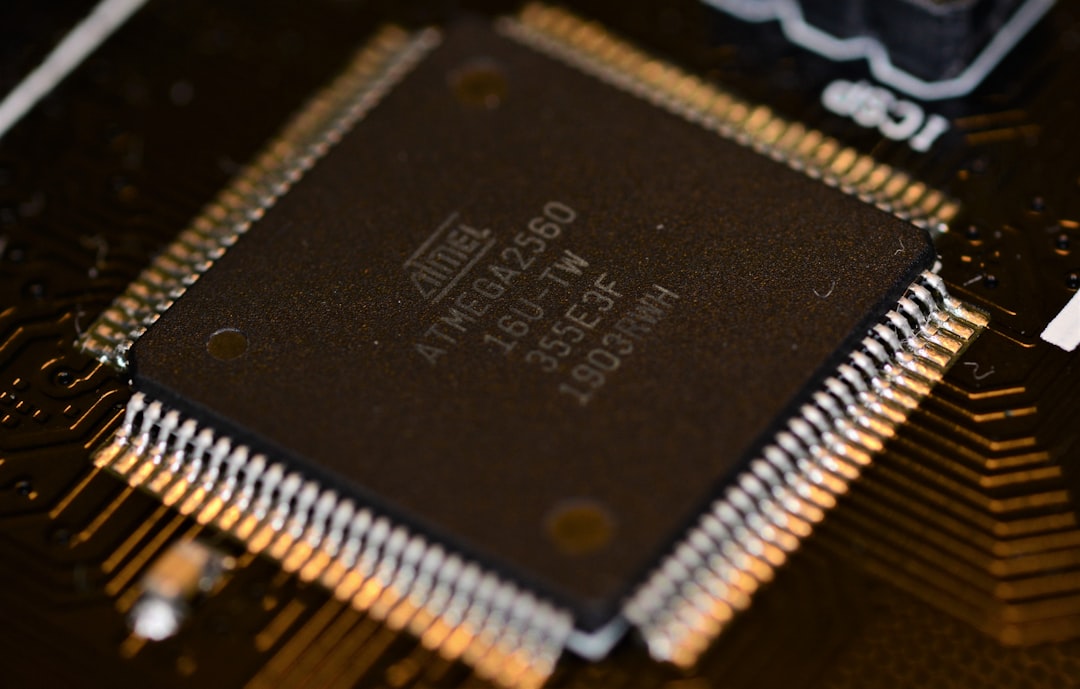
The semiconductor industry serves as a fundamental component of contemporary technology infrastructure, enabling the operation of electronic devices ranging from mobile phones to high-performance computing systems. Current market data indicates sustained growth in semiconductor demand, driven by expanding consumer electronics markets and emerging technology applications. Recent industry analysis reveals significant expansion patterns influenced by technological developments and evolving market requirements.
The integration of artificial intelligence systems, Internet of Things applications, and fifth-generation wireless networks has generated substantial semiconductor demand, resulting in increased capital investment and research and development activities across the sector. The semiconductor market encompasses multiple segments, including memory chips, processors, analog circuits, and specialized application-specific integrated circuits.
Major production centers are located in Asia, North America, and Europe, with Taiwan, South Korea, and China representing significant manufacturing hubs. Supply chain dynamics have become increasingly complex due to global trade policies, geopolitical tensions, and pandemic-related disruptions. These factors have highlighted the strategic importance of semiconductor manufacturing capabilities and prompted government initiatives to strengthen domestic production capacity in various regions.
Current lead times for semiconductor components range from several weeks to over a year, depending on product complexity and market demand.
Key Takeaways
- Semiconductor industry is rapidly evolving with new technologies and market trends shaping its future.
- Global events and government policies significantly impact semiconductor manufacturing and supply chains.
- Innovations in semiconductors are driving advancements in emerging technologies like AI and IoT.
- Mergers, acquisitions, and sustainability initiatives are key factors influencing industry dynamics.
- Despite challenges, the semiconductor sector holds promising opportunities and a positive future outlook.
Industry Trends and Market Analysis
The semiconductor market is projected to reach a staggering valuation of approximately $1 trillion by 2030, reflecting a compound annual growth rate (CAGR) of around 8% from 2021 to 2030. This growth trajectory is fueled by several key trends, including the increasing demand for high-performance computing, advancements in automotive electronics, and the expansion of consumer electronics. The rise of electric vehicles (EVs) and autonomous driving technologies has further intensified the need for sophisticated semiconductor solutions.
Moreover, the ongoing digital transformation across industries has led to a surge in demand for data centers and cloud computing services. As organizations increasingly rely on data-driven decision-making, the need for efficient and powerful semiconductor components has never been more critical. Market analysts predict that sectors such as healthcare, telecommunications, and industrial automation will continue to drive semiconductor demand, creating a dynamic landscape for manufacturers and suppliers alike.
New Semiconductor Technologies and Innovations
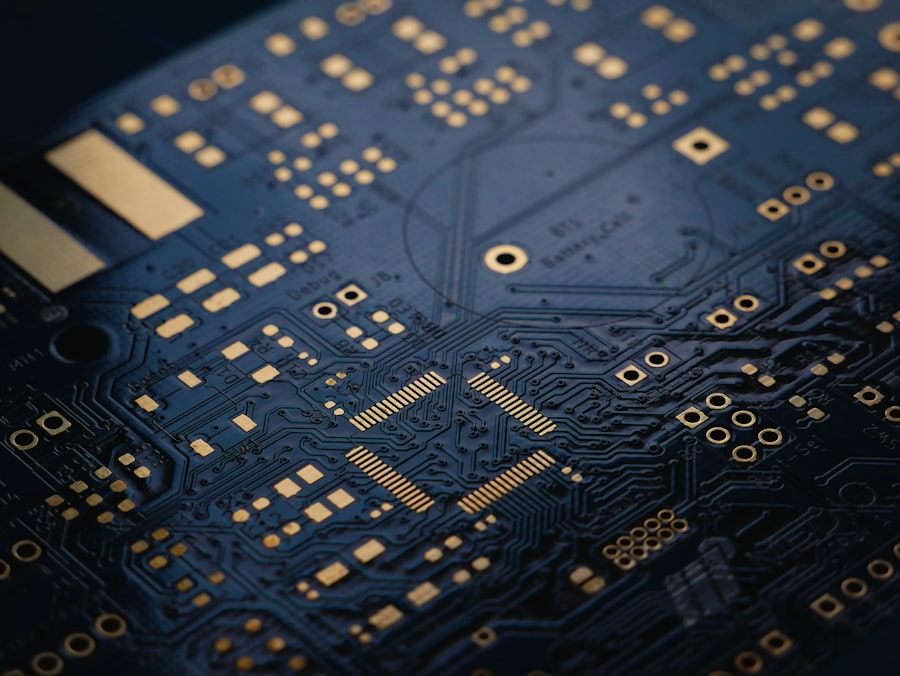
The semiconductor industry is at the forefront of technological innovation, with several groundbreaking advancements shaping its future. One notable development is the transition from traditional silicon-based semiconductors to advanced materials such as gallium nitride (GaN) and silicon carbide (SiC). These materials offer superior performance in high-frequency and high-temperature applications, making them ideal for power electronics and electric vehicle systems.
Additionally, the advent of 3D chip stacking technology has revolutionized semiconductor design by allowing multiple layers of chips to be integrated into a single package. This innovation enhances performance while reducing space requirements, catering to the growing demand for compact and efficient electronic devices. Furthermore, advancements in photonic integrated circuits (PICs) are paving the way for faster data transmission and improved communication systems, particularly in telecommunications.
Impact of Global Events on Semiconductor Industry
The semiconductor industry is not immune to global events that can disrupt supply chains and manufacturing processes. The COVID-19 pandemic highlighted vulnerabilities within the semiconductor supply chain, leading to significant shortages that affected various sectors, including automotive and consumer electronics. As manufacturers struggled to meet demand amid factory shutdowns and logistical challenges, companies began reevaluating their supply chain strategies to enhance resilience.
Geopolitical tensions also play a crucial role in shaping the semiconductor landscape. Trade disputes between major economies can lead to tariffs and restrictions that impact the flow of materials and components. For instance, restrictions on Chinese technology companies have prompted a shift in sourcing strategies among global semiconductor firms.
As a result, companies are increasingly diversifying their supply chains to mitigate risks associated with geopolitical uncertainties.
Semiconductor Companies and Mergers & Acquisitions
| Date | Company | News Headline | Key Metric | Impact |
|---|---|---|---|---|
| 2024-06-15 | TSMC | Announces new 3nm chip production milestone | 3nm chip yield improved by 15% | Positive for advanced semiconductor manufacturing |
| 2024-06-15 | Intel | Launches new AI-focused processor | Performance boost of 20% over previous gen | Enhances AI computing capabilities |
| 2024-06-15 | Samsung | Expands semiconductor fab in South Korea | Additional 50,000 wafers/month capacity | Strengthens supply chain resilience |
| 2024-06-15 | GlobalFoundries | Reports Q2 revenue growth | Revenue up 8% QoQ | Indicates strong demand for specialty chips |
| 2024-06-15 | NVIDIA | Releases new GPU architecture | Energy efficiency improved by 25% | Boosts gaming and AI workloads |
The semiconductor industry has witnessed a wave of mergers and acquisitions (M&A) as companies seek to consolidate resources and enhance their competitive edge. Notable transactions include NVIDIA’s acquisition of Arm Holdings, which aims to bolster NVIDIA’s position in the AI and mobile computing markets. Similarly, AMD’s acquisition of Xilinx has expanded its portfolio in adaptive computing solutions.
These strategic moves reflect a broader trend toward vertical integration within the semiconductor sector. Companies are increasingly looking to acquire complementary technologies or capabilities that can enhance their product offerings. This trend not only fosters innovation but also enables firms to respond more effectively to evolving market demands.
Government Regulations and Policies Affecting Semiconductor Industry
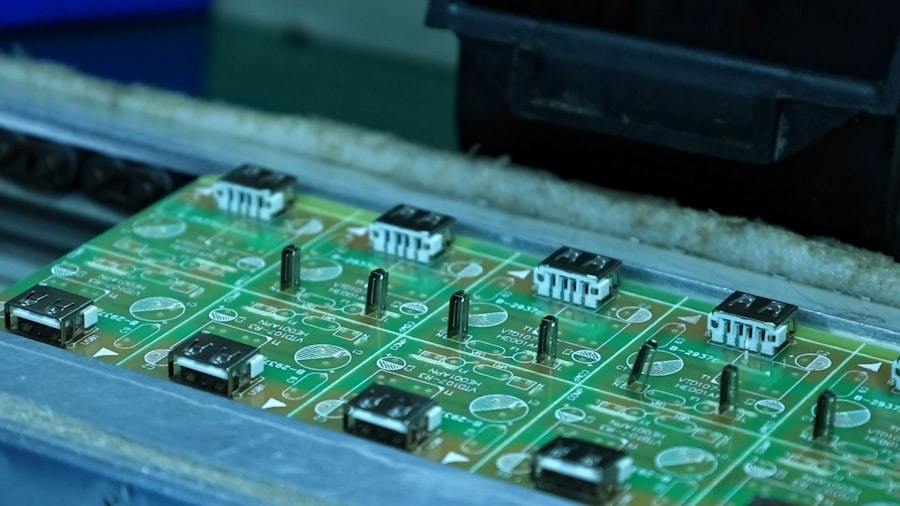
Government regulations play a pivotal role in shaping the semiconductor landscape, influencing everything from research funding to trade policies. In recent years, governments worldwide have recognized the strategic importance of semiconductors for national security and economic growth.
For instance, the United States has introduced initiatives such as the CHIPS Act, which allocates funding for semiconductor research and development while incentivizing domestic production. Similarly, countries in Asia are ramping up investments in semiconductor manufacturing facilities to reduce reliance on foreign suppliers. These regulatory efforts are expected to reshape the competitive landscape of the global semiconductor industry.
Semiconductor Manufacturing and Supply Chain Updates
Manufacturing processes within the semiconductor industry are becoming increasingly sophisticated as companies strive for efficiency and precision. Advanced fabrication techniques such as extreme ultraviolet (EUV) lithography are enabling manufacturers to produce smaller transistors with higher performance capabilities. This technology allows for greater transistor density on chips, resulting in improved power efficiency and processing speed.
However, supply chain challenges persist as manufacturers grapple with shortages of critical materials such as silicon wafers and specialized chemicals. The pandemic-induced disruptions have prompted companies to reevaluate their sourcing strategies and invest in local supply chains. Additionally, automation and digitalization are being integrated into manufacturing processes to enhance productivity and reduce lead times.
Semiconductor Applications in Emerging Technologies
The versatility of semiconductors extends beyond traditional applications, finding relevance in emerging technologies that are reshaping industries. In healthcare, semiconductors are integral to medical devices such as diagnostic equipment and wearable health monitors. The integration of AI algorithms into these devices enhances their capabilities, enabling real-time monitoring and data analysis.
In the realm of renewable energy, semiconductors play a crucial role in solar inverters and energy storage systems. As the world shifts toward sustainable energy solutions, the demand for efficient power electronics is expected to rise significantly. Furthermore, advancements in quantum computing are driving research into specialized semiconductors that can support quantum bits (qubits), paving the way for revolutionary computing capabilities.
Environmental and Sustainability Initiatives in Semiconductor Industry
As environmental concerns gain prominence globally, the semiconductor industry is increasingly focusing on sustainability initiatives. Manufacturers are adopting eco-friendly practices throughout their production processes, aiming to reduce waste and energy consumption. For instance, companies are investing in water recycling systems and energy-efficient manufacturing technologies to minimize their environmental footprint.
Moreover, there is a growing emphasis on developing sustainable materials for semiconductor production. Research into biodegradable substrates and recyclable packaging is gaining traction as companies seek to align with global sustainability goals. By prioritizing environmental responsibility, the semiconductor industry can contribute positively to addressing climate change while meeting consumer demands for greener products.
Challenges and Opportunities in Semiconductor Industry
Despite its growth potential, the semiconductor industry faces several challenges that require strategic solutions. One significant hurdle is the ongoing talent shortage in engineering and technical fields. As demand for skilled professionals continues to rise, companies must invest in workforce development programs to attract and retain talent.
Additionally, geopolitical tensions pose risks to supply chains and market stability. Companies must navigate complex regulatory environments while ensuring compliance with international trade agreements. However, these challenges also present opportunities for innovation and collaboration within the industry as companies seek to adapt to changing dynamics.
Future Outlook for Semiconductor Industry
Looking ahead, the future of the semiconductor industry appears promising yet complex. The continued proliferation of AI, IoT, and 5G technologies will drive demand for advanced semiconductor solutions across various sectors. As manufacturers invest in research and development initiatives, we can expect breakthroughs in materials science and fabrication techniques that will further enhance performance capabilities.
Moreover, as governments prioritize domestic semiconductor production through supportive policies, we may witness a shift in global manufacturing dynamics. The industry’s ability to adapt to emerging trends while addressing challenges will ultimately determine its trajectory in the coming years. In summary, the semiconductor industry is undergoing significant transformation driven by technological advancements, market demands, and global events.
With a projected market valuation nearing $1 trillion by 2030, stakeholders must remain vigilant in navigating challenges while seizing opportunities for growth and innovation within this dynamic sector.
In today’s semiconductor news, industry experts are closely monitoring the latest developments in technology and market trends. A related article that provides insights into the financial landscape is available at Forecasting Amazon Stock Values for the Coming Year, which discusses how shifts in the tech sector, including semiconductor advancements, can impact major companies like Amazon. This connection highlights the broader implications of semiconductor innovations on the stock market and technology investments.
FAQs
What are semiconductors?
Semiconductors are materials that have electrical conductivity between that of a conductor and an insulator. They are essential components in electronic devices, enabling the control of electrical current.
Why is semiconductor news important?
Semiconductor news is important because the semiconductor industry drives innovation in technology, impacting sectors like consumer electronics, automotive, telecommunications, and computing. Updates can affect market trends, supply chains, and technological advancements.
What are the current trends in the semiconductor industry?
Current trends include the development of smaller and more efficient chips, advancements in AI and machine learning hardware, increased demand for automotive semiconductors, and efforts to diversify supply chains to reduce dependency on specific regions.
How do global events affect the semiconductor industry?
Global events such as trade disputes, natural disasters, and pandemics can disrupt semiconductor supply chains, affect manufacturing capacity, and influence pricing and availability of semiconductor products.
Who are the major players in the semiconductor market?
Major players include companies like Intel, TSMC (Taiwan Semiconductor Manufacturing Company), Samsung Electronics, NVIDIA, AMD, and Qualcomm, among others.
What is the impact of semiconductor shortages?
Semiconductor shortages can lead to delays in manufacturing electronic products, increased costs, and slowed innovation across various industries including automotive, consumer electronics, and industrial equipment.
How is technology evolving in semiconductor manufacturing?
Technology is evolving through the adoption of advanced lithography techniques like EUV (Extreme Ultraviolet Lithography), development of 3nm and smaller process nodes, and innovations in materials such as silicon carbide and gallium nitride.
Where can I find reliable semiconductor news updates?
Reliable semiconductor news can be found on industry websites, technology news platforms, company press releases, and specialized publications such as Semiconductor Engineering, EE Times, and industry analyst reports.