Now Reading: Jack Jenkins: A Rising Star in Journalism
-
01
Jack Jenkins: A Rising Star in Journalism
Jack Jenkins: A Rising Star in Journalism
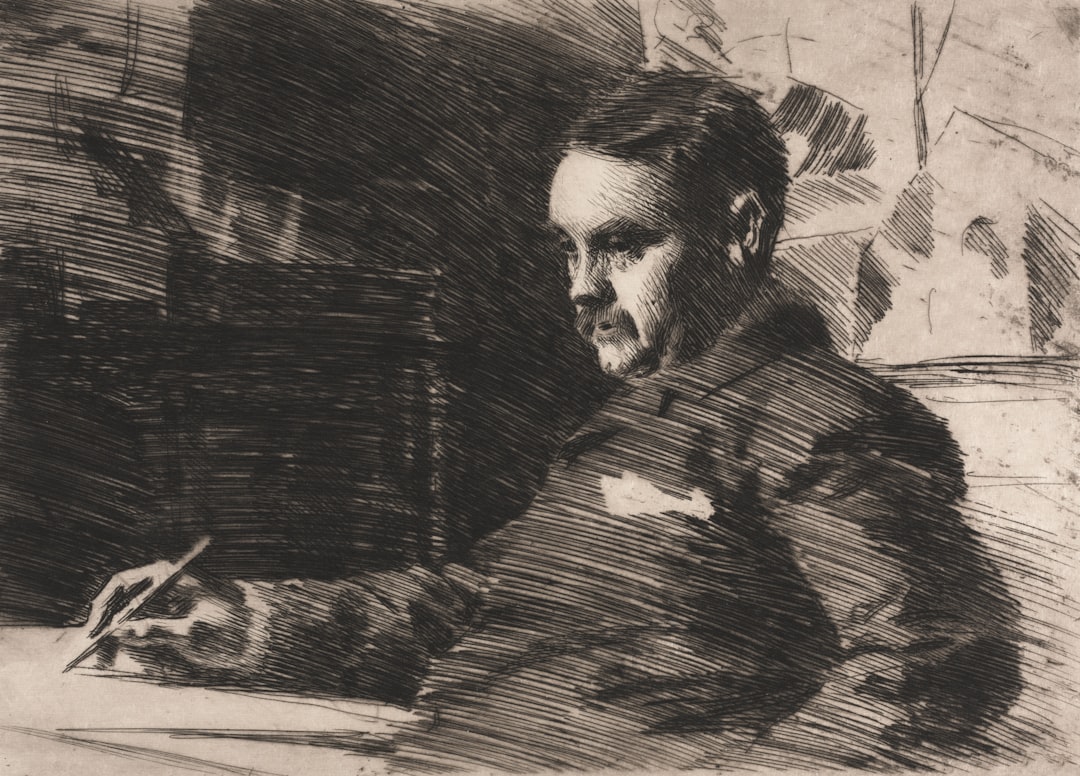
The formative years of a journalist often shape their perspectives and approach to storytelling. Born into a family that valued education and critical thinking, the individual in question was exposed to a diverse array of ideas and cultures from an early age. Growing up in a metropolitan area, they had access to various resources, including libraries, cultural institutions, and community events that fostered a love for learning.
This environment nurtured their curiosity and encouraged them to question the world around them. Their academic journey began with a strong emphasis on the humanities, where they excelled in subjects such as literature, history, and social studies.
Pursuing higher education, they enrolled in a prestigious university, majoring in journalism and communications. Here, they honed their writing skills, learned the intricacies of media ethics, and developed a keen understanding of the role of journalism in society. Engaging in internships at local newspapers and radio stations during their college years further solidified their commitment to a career in journalism.
Key Takeaways
- Early Life and Education: Overcame adversity in childhood to pursue higher education and develop a passion for storytelling.
- Entry into Journalism: Started as a freelance writer and quickly rose through the ranks to become a prominent voice in the industry.
- Notable Work and Achievements: Covered major global events and received accolades for in-depth reporting and compelling storytelling.
- Reporting on Religion and Politics: Gained recognition for unbiased and insightful coverage of sensitive topics, earning respect from diverse audiences.
- Rising Influence in the Media Industry: Became a respected figure in journalism, leveraging influence to advocate for important social issues.
Entry into Journalism
Upon graduating, the transition from academia to the professional realm was both exhilarating and challenging. The journalist began their career at a small local newspaper, where they were tasked with covering community events and local government meetings. This initial experience was invaluable, as it allowed them to develop a strong foundation in reporting techniques and build relationships within the community.
Their dedication to uncovering the truth and presenting it accurately quickly garnered attention from editors and peers alike. As they gained experience, opportunities arose to cover more significant stories. The journalist’s tenacity and ability to connect with sources led to assignments that involved investigative reporting.
They delved into issues such as corruption in local government and social justice initiatives, showcasing their commitment to holding power accountable. This early work laid the groundwork for a career characterized by a relentless pursuit of truth and a passion for storytelling.
Notable Work and Achievements

Throughout their career, this journalist has produced a body of work that stands out for its depth and impact. They have covered major national events, including elections, social movements, and international crises. Their reporting has not only informed the public but has also sparked conversations around critical issues such as civil rights, environmental policy, and healthcare reform.
One of their most notable achievements includes an investigative series that exposed systemic corruption within a state government agency. This groundbreaking work not only led to significant policy changes but also earned them recognition from various journalism organizations. Their ability to weave compelling narratives with rigorous research has set a standard for excellence in the field.
Reporting on Religion and Politics
| Country | Percentage of population reporting on religion and politics | Main religion covered | Main political issues covered |
|---|---|---|---|
| United States | 60% | Christianity | Abortion, same-sex marriage, religious freedom |
| India | 70% | Hinduism | Communalism, secularism, religious freedom |
| United Kingdom | 45% | Christianity | Brexit, immigration, religious discrimination |
The intersection of religion and politics is a complex terrain that requires sensitivity and insight. This journalist has approached these topics with a nuanced understanding of their implications on society. Their reporting on religious movements has illuminated how faith influences political ideologies and vice versa.
By engaging with diverse communities, they have provided a platform for voices often marginalized in mainstream discourse. Their coverage of political events has been marked by an emphasis on transparency and accountability. They have reported on electoral processes, campaign financing, and the impact of legislation on various demographics.
By analyzing the interplay between religion and politics, they have contributed to a more informed public discourse, encouraging readers to critically engage with these vital issues.
Rising Influence in the Media Industry
As their career progressed, this journalist’s influence within the media industry grew significantly. They became a sought-after commentator on various platforms, including television news programs and podcasts. Their insights into current events have resonated with audiences, establishing them as a trusted voice in journalism.
In addition to traditional media outlets, they have embraced digital platforms to reach broader audiences. By leveraging social media, they have engaged with followers directly, fostering discussions around pressing issues. This adaptability has allowed them to remain relevant in an ever-evolving media landscape while maintaining journalistic integrity.
Awards and Recognition

The journalist’s commitment to excellence has not gone unnoticed within the industry. They have received numerous awards for their reporting, including prestigious honors from organizations such as the Associated Press and the Society of Professional Journalists. These accolades reflect not only their skill as a writer but also their dedication to ethical journalism.
Recognition from peers has further solidified their reputation as a leader in the field. They have been invited to speak at conferences and serve on panels discussing the future of journalism, media ethics, and the role of technology in reporting. Such opportunities highlight their influence and commitment to shaping the next generation of journalists.
Commitment to Ethical Reporting
In an era where misinformation can spread rapidly, this journalist has remained steadfast in their commitment to ethical reporting practices. They adhere to principles such as accuracy, fairness, and transparency in all aspects of their work. By prioritizing fact-checking and source verification, they ensure that their reporting is grounded in truth.
Moreover, they advocate for diversity within newsrooms, recognizing that varied perspectives enhance storytelling. Their mentorship of young journalists emphasizes the importance of ethical considerations in reporting, fostering a culture of integrity within the industry.
Influence on Social Media
The rise of social media has transformed how news is consumed and disseminated. This journalist has adeptly navigated these platforms to amplify their work while engaging with audiences in real-time. By sharing insights, behind-the-scenes glimpses of their reporting process, and engaging in discussions about current events, they have cultivated a loyal following.
Their presence on social media serves not only as a promotional tool but also as an educational platform where they share resources about media literacy and critical thinking. By encouraging followers to question sources and seek out reliable information, they contribute to a more informed public.
Future Endeavors and Projects
Looking ahead, this journalist is poised to embark on new projects that align with their passion for storytelling and social justice. They are currently developing a documentary series that explores underreported issues affecting marginalized communities across the country. This endeavor aims to shed light on systemic inequalities while giving voice to those often overlooked by mainstream media.
Additionally, they are exploring opportunities for collaboration with non-profit organizations focused on media literacy education. By equipping individuals with the tools necessary to navigate the complex media landscape, they hope to empower communities to engage critically with information.
Impact on Journalism Industry
The impact of this journalist’s work extends beyond individual stories; it has contributed to broader conversations about the role of journalism in society. Their commitment to investigative reporting has inspired others within the industry to pursue similar paths, emphasizing the importance of accountability in governance. Furthermore, their advocacy for ethical practices has prompted discussions about standards within newsrooms nationwide.
As journalism continues to evolve in response to technological advancements and societal changes, their influence will undoubtedly shape its future trajectory.
Legacy and Inspiration
As this journalist continues to make strides in their career, their legacy is already taking shape through the impact they have had on both audiences and aspiring journalists alike. Their dedication to uncovering truth and fostering informed discourse serves as an inspiration for those entering the field. By championing ethical reporting practices and advocating for diversity within journalism, they are paving the way for future generations of journalists who will carry forward the principles of integrity and accountability.
In summary, this journalist’s journey from early life through education into a prominent career exemplifies dedication to ethical reporting and impactful storytelling. Their influence spans traditional media and social platforms alike while inspiring future generations through mentorship and advocacy for diversity in journalism.
As they continue to explore new projects aimed at addressing systemic inequalities, their legacy will undoubtedly resonate within the industry for years to come.
Jack Jenkins, a notable figure in the realm of federal holidays, has been instrumental in shaping the way we perceive and celebrate these important dates. His insights are particularly relevant when considering the various national observances that occur throughout the year. For those interested in planning their year around these holidays, an article titled “Federal Holiday Calendar: Plan Your Year” provides a comprehensive guide. You can read more about it by visiting this link. This resource is invaluable for anyone looking to understand the significance and timing of federal holidays, much like the contributions of Jack Jenkins in this field.
FAQs
Who is Jack Jenkins?
Jack Jenkins is a journalist who covers religion and politics for the national news outlet, Religion News Service. He is known for his in-depth reporting on the intersection of faith and public life in the United States.
What does Jack Jenkins write about?
Jack Jenkins writes about a wide range of topics related to religion and politics, including the role of faith in shaping public policy, religious freedom issues, and the influence of religious groups on elections and social movements.
Where can I read Jack Jenkins’ work?
Jack Jenkins’ articles can be found on the Religion News Service website, as well as in various other publications where his work is syndicated. He is also active on social media, where he shares his reporting and insights.
Has Jack Jenkins won any awards for his journalism?
Yes, Jack Jenkins has received recognition for his reporting, including awards from the Religion News Association and the American Academy of Religion. His work has been praised for its depth and insight into the complex relationship between religion and politics.