
Now Reading: The Evolution of iPhone: A Decade of Innovation
-
01
The Evolution of iPhone: A Decade of Innovation
The Evolution of iPhone: A Decade of Innovation

The introduction of the iPhone in 2007 marked a pivotal moment in the evolution of mobile technology. Apple Inc., under the visionary leadership of Steve Jobs, unveiled a device that would redefine the smartphone landscape. The iPhone combined a sleek design with a user-friendly interface, integrating a phone, an iPod, and an internet communicator into a single device.
This revolutionary gadget was equipped with a multi-touch screen, which allowed users to interact with their devices in ways previously thought impossible. The iPhone’s launch not only disrupted the mobile phone market but also set the stage for the app economy, fundamentally altering how consumers engage with technology. The iPhone’s impact extended beyond its hardware; it catalyzed a cultural shift towards mobile computing.
With its intuitive operating system, iOS, users could easily navigate through applications, access the internet, and communicate seamlessly. The introduction of the App Store in 2008 further propelled the device’s popularity, allowing third-party developers to create applications that enhanced functionality and user experience. This ecosystem fostered innovation and creativity, leading to millions of apps that catered to diverse needs, from productivity to entertainment.
The iPhone’s birth was not merely about a new gadget; it was about creating a platform that empowered users and transformed daily life.
Key Takeaways
- The birth of iPhone revolutionized the smartphone industry with its innovative design and touch screen technology.
- The iPhone 3G introduced the App Store and 3G connectivity, changing the way people use and access mobile apps.
- iPhone 4’s Retina Display and FaceTime feature set a new standard for screen resolution and video calling.
- iPhone 5’s Lightning Connector and LTE support improved data transfer speeds and connectivity options.
- iPhone 6 and 6 Plus’s larger screens and Apple Pay transformed the mobile payment experience and user interface.
The iPhone 3G: Introducing App Store and 3G Connectivity
Faster Data Transfer Rates and Improved Internet Browsing
One of the most notable features of the iPhone 3G was the introduction of 3G connectivity, which allowed for faster data transfer rates and improved internet browsing experiences. This advancement made it easier for users to access online content, stream media, and utilize location-based services, thereby enhancing the overall functionality of the device.
The Launch of the App Store
Perhaps the most groundbreaking aspect of the iPhone 3G was the launch of the App Store. This platform revolutionized how software was distributed and consumed, enabling developers to reach a global audience with their applications. The App Store featured thousands of apps at launch, ranging from games to productivity tools, and it quickly became a vital component of the iPhone ecosystem.
A New Era of Customization and Innovation
This innovation not only provided users with endless possibilities for customization but also created a lucrative market for developers, leading to an explosion of creativity and innovation in mobile applications.
iPhone 4: Retina Display and FaceTime
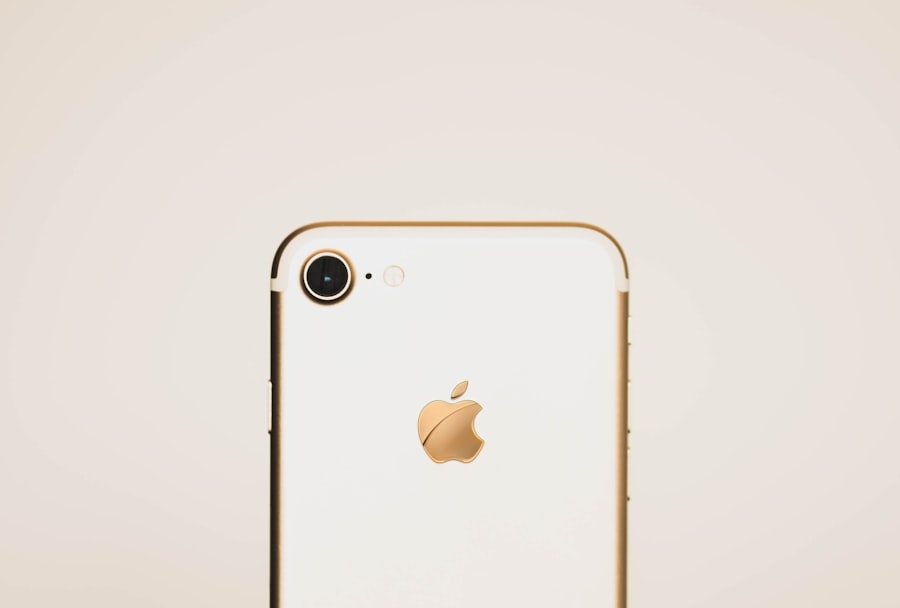
The iPhone 4, released in June 2010, introduced several groundbreaking features that set new standards for smartphones. One of the most significant advancements was the Retina Display, which boasted a pixel density so high that individual pixels were virtually indistinguishable to the human eye. This technology enhanced visual clarity and color accuracy, making images and text appear sharper than ever before.
The Retina Display transformed how users interacted with their devices, elevating gaming, video playback, and reading experiences to unprecedented levels. In addition to its stunning display, the iPhone 4 also introduced FaceTime, Apple’s video calling feature that allowed users to connect with friends and family in real-time through their front-facing camera. This innovation not only changed how people communicated but also paved the way for video conferencing as a mainstream method of interaction.
The combination of Retina Display and FaceTime positioned the iPhone 4 as a leader in mobile technology, further solidifying Apple’s reputation as an innovator in the industry.
iPhone 5: The Introduction of Lightning Connector and LTE
| Metrics | Details |
|---|---|
| Release Date | September 21, 2012 |
| Lightning Connector | Introduced to replace the 30-pin connector |
| LTE Support | First iPhone to support 4G LTE networks |
| Processor | Apple A6 chip |
| Display | 4-inch Retina display |
Launched in September 2012, the iPhone 5 represented a significant leap forward in terms of design and functionality. One of its most notable features was the introduction of the Lightning connector, which replaced the traditional 30-pin dock connector used in previous models. This new connector was smaller, reversible, and more versatile, allowing for faster data transfer and charging capabilities.
The transition to Lightning also facilitated a sleeker design for the device itself, contributing to its overall aesthetic appeal. The iPhone 5 also marked Apple’s entry into the world of LTE (Long-Term Evolution) connectivity. This advancement provided users with significantly faster internet speeds compared to previous generations, enabling seamless streaming of high-definition content and improved performance for data-intensive applications.
The combination of Lightning connectivity and LTE capabilities made the iPhone 5 a powerful tool for both personal and professional use, further enhancing its status as a must-have device in an increasingly connected world.
iPhone 6 and 6 Plus: Larger Screens and Apple Pay
The release of the iPhone 6 and 6 Plus in September 2014 represented a major shift in Apple’s design philosophy. For the first time, Apple offered two distinct models with larger screens—4.7 inches for the iPhone 6 and an impressive 5.5 inches for the iPhone 6 Plus. This move catered to consumer demand for larger displays that enhanced multimedia experiences such as gaming, video watching, and web browsing.
The increased screen real estate allowed for more immersive interactions with apps and content. In addition to their larger displays, both models introduced Apple Pay—a mobile payment solution that enabled users to make secure transactions using their devices. By leveraging Near Field Communication (NFC) technology, Apple Pay allowed users to pay for goods and services with just a tap of their iPhones at participating retailers.
This innovation not only simplified payment processes but also enhanced security through tokenization and biometric authentication via Touch ID. The introduction of Apple Pay marked a significant step towards a cashless society and showcased Apple’s commitment to integrating technology into everyday life.
iPhone 7: Removal of Headphone Jack and Dual Camera System
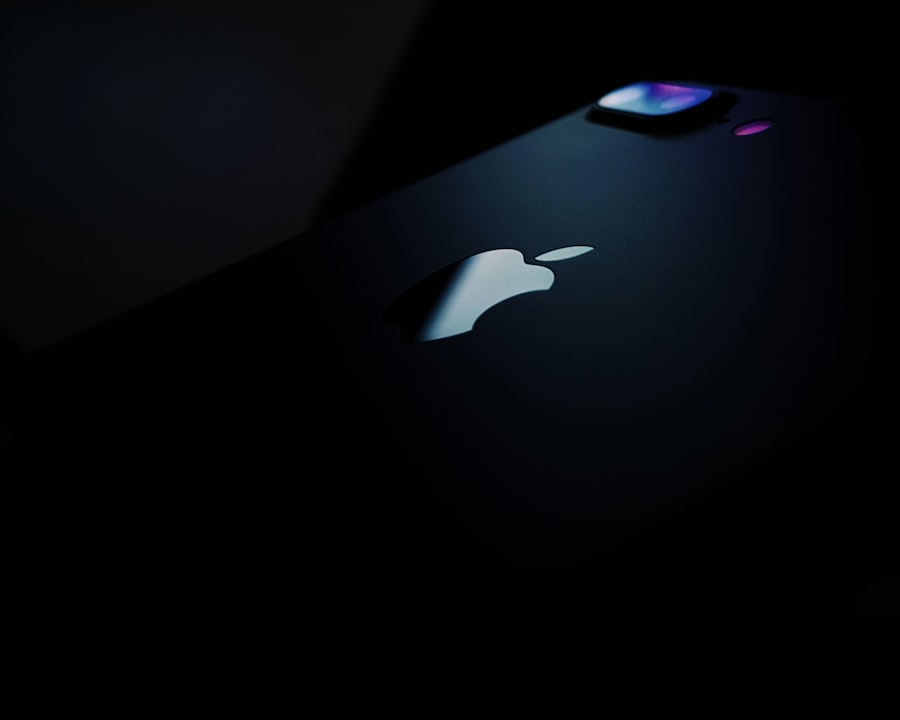
The iPhone 7 debuted in September 2016 amidst considerable controversy due to Apple’s decision to eliminate the traditional headphone jack. This bold move aimed to create more space within the device for advanced components while promoting wireless audio solutions such as AirPods and other Bluetooth headphones. While some users expressed dissatisfaction with this change, it ultimately paved the way for a new era of wireless audio experiences.
Another significant advancement introduced with the iPhone 7 was the dual-camera system on the iPhone 7 Plus model. This innovative feature allowed users to capture stunning images with enhanced depth-of-field effects through its wide-angle and telephoto lenses. The dual-camera setup enabled optical zoom capabilities and improved low-light performance, making photography more accessible and enjoyable for everyday users.
The combination of these features positioned the iPhone 7 as a powerful tool for content creation, appealing to both casual photographers and professionals alike.
iPhone 8 and 8 Plus: Wireless Charging and A11 Bionic Chip
Released in September 2017 alongside the highly anticipated iPhone X, the iPhone 8 and 8 Plus introduced several noteworthy features that enhanced user experience. One of the standout innovations was wireless charging capability, allowing users to charge their devices effortlessly by placing them on compatible charging pads. This convenience eliminated the need for cumbersome cables and made charging more accessible than ever before.
Additionally, both models were powered by Apple’s A11 Bionic chip—a significant upgrade that delivered improved performance and efficiency compared to previous generations. The A11 chip featured a six-core CPU architecture that optimized processing power while conserving battery life. This advancement enabled smoother multitasking, faster app launches, and enhanced gaming experiences.
With these innovations, the iPhone 8 series solidified its position as a top-tier smartphone option for consumers seeking cutting-edge technology.
iPhone X: The First iPhone with Face ID and OLED Display
The launch of the iPhone X in November 2017 marked Apple’s tenth anniversary in smartphone design and innovation. This model introduced several groundbreaking features that redefined user interaction with mobile devices. One of its most significant advancements was Face ID—an advanced facial recognition system that replaced Touch ID as the primary method of biometric authentication.
Utilizing sophisticated sensors and machine learning algorithms, Face ID provided enhanced security while allowing users to unlock their devices effortlessly. The iPhone X also featured an OLED display for the first time in an Apple smartphone. This technology offered vibrant colors, deeper blacks, and improved contrast ratios compared to traditional LCD screens.
The edge-to-edge design eliminated physical buttons on the front face of the device, creating a more immersive viewing experience for users. With these innovations, the iPhone X set new standards for smartphone design while showcasing Apple’s commitment to pushing technological boundaries.
iPhone XS and XS Max: A12 Bionic Chip and Dual SIM Support
Released in September 2018, the iPhone XS and XS Max built upon the success of their predecessor while introducing several enhancements that catered to evolving consumer needs. At the heart of these devices was Apple’s A12 Bionic chip—an industry-leading processor that delivered unparalleled performance across various tasks. With its seven-nanometer architecture, this chip provided faster processing speeds while optimizing power efficiency for extended battery life.
Another notable feature introduced with these models was dual SIM support—allowing users to utilize two different phone numbers on a single device through a physical SIM card and an eSIM. This capability proved particularly beneficial for frequent travelers or individuals who needed separate work and personal lines without carrying multiple devices. The combination of advanced processing power and dual SIM functionality positioned the iPhone XS series as versatile tools for modern communication needs.
iPhone 11: Ultra-Wide Camera and Night Mode
The release of the iPhone 11 in September 2019 brought significant advancements in photography capabilities that appealed to both casual users and photography enthusiasts alike. One of its standout features was the ultra-wide camera lens that allowed users to capture expansive landscapes or group photos without compromising image quality. This addition expanded creative possibilities for photography while enhancing versatility in various shooting scenarios.
Moreover, Apple introduced Night Mode—a feature designed to improve low-light photography by utilizing advanced computational photography techniques.
These innovations solidified the iPhone 11’s reputation as one of the best smartphones for photography on the market.
iPhone 12: 5G Connectivity and MagSafe Technology
Launched in October 2020, the iPhone 12 series marked another significant milestone in Apple’s smartphone evolution by introducing 5G connectivity across all models—enabling faster download speeds and improved streaming capabilities compared to previous generations. This advancement positioned Apple at the forefront of mobile technology as consumers increasingly sought devices capable of harnessing next-generation network capabilities. Additionally, Apple reintroduced MagSafe technology with the iPhone 12 series—a magnetic attachment system that allowed users to easily connect accessories such as chargers or cases without fumbling with traditional connectors.
MagSafe not only simplified accessory usage but also opened up new possibilities for third-party developers to create innovative products compatible with this ecosystem. With these advancements, the iPhone 12 series continued Apple’s legacy of innovation while addressing consumer demands for speed and convenience. In summary, each iteration of the iPhone has brought forth groundbreaking innovations that have shaped not only Apple’s trajectory but also influenced global smartphone trends significantly.
From its inception as a game-changing device to its current status as an essential tool for communication, creativity, and productivity, the evolution of the iPhone reflects ongoing advancements in technology while continuously redefining user experiences across generations.
If you’re looking for the perfect Christmas gift for the tech-savvy woman in your life, consider getting her the latest iPhone model. With its sleek design and cutting-edge features, the iPhone is sure to impress. For more gift ideas for women, check out this article on top Christmas gifts for women.
FAQs
What is an iPhone?
An iPhone is a line of smartphones designed and marketed by Apple Inc. It runs on Apple’s iOS mobile operating system.
When was the first iPhone released?
The first iPhone was released on June 29, 2007.
What are the key features of an iPhone?
Key features of an iPhone include a touchscreen display, a high-quality camera, access to the App Store for downloading apps, and integration with other Apple products and services.
What is the latest iPhone model?
As of 2021, the latest iPhone models are the iPhone 12, iPhone 12 mini, iPhone 12 Pro, and iPhone 12 Pro Max.
What is the iOS operating system?
iOS is the mobile operating system developed by Apple Inc. for its iPhone, iPad, and iPod Touch line of devices. It is known for its user-friendly interface and seamless integration with other Apple products.
Can I use an iPhone with other Apple products?
Yes, iPhones are designed to work seamlessly with other Apple products such as Mac computers, iPads, Apple Watch, and Apple TV.
How often does Apple release new iPhone models?
Apple typically releases new iPhone models once a year, usually in the fall.


