
Now Reading: Apple Inc: Innovations in Products and Services
-
01
Apple Inc: Innovations in Products and Services
Apple Inc: Innovations in Products and Services

Apple Inc. stands as a titan in the technology sector, renowned for its innovative products and services that have reshaped the landscape of consumer electronics. Founded in 1976 by Steve Jobs, Steve Wozniak, and Ronald Wayne, the company has consistently pushed the boundaries of what is possible in technology.
With its headquarters located in Cupertino, California, Apple has cultivated a brand synonymous with quality, design, and user experience. The company’s mission revolves around creating products that enhance the lives of its users, a vision that has propelled it to become one of the most valuable companies globally. The company’s influence extends beyond mere product sales; it has fostered a culture of innovation that inspires countless other businesses.
Apple’s commitment to research and development has led to groundbreaking advancements in various fields, including computing, telecommunications, and digital media. As a result, Apple has not only established itself as a leader in technology but also as a cultural icon that resonates with millions of consumers worldwide.
Key Takeaways
- Apple Inc. has revolutionized the technology industry with its innovative products and services.
- The evolution of Apple products and services has set new standards for the industry.
- The iPhone has completely transformed the smartphone industry and redefined the way we communicate and access information.
- MacBooks and iMacs have set the standard for personal computers with their sleek design and powerful performance.
- The Apple Watch has redefined wearable technology and changed the way we track our health and stay connected.
The evolution of Apple products and services is a testament to the company’s relentless pursuit of excellence. From its humble beginnings with the Apple I computer, which was hand-built by Wozniak, to the sophisticated devices we see today, Apple has undergone a remarkable transformation.
Over the years, Apple has expanded its product line to include a diverse array of devices and services. The launch of the iPod in 2001 revolutionized the music industry, while the iPhone, introduced in 2007, redefined mobile communication. Each product iteration has brought forth enhancements in design, functionality, and user experience.
Furthermore, Apple’s foray into services such as iCloud, Apple Music, and the App Store has created an ecosystem that seamlessly integrates hardware and software, providing users with a holistic experience.
iPhone: Revolutionizing the smartphone industry
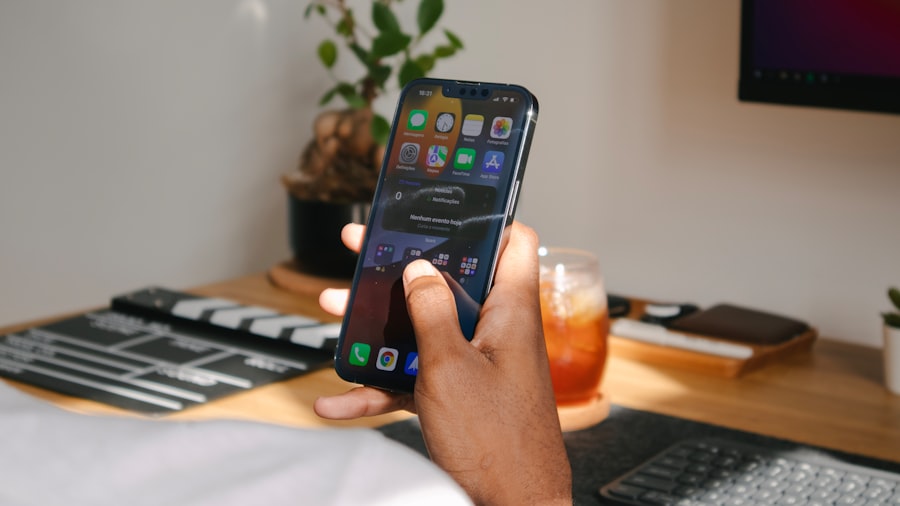
The iPhone is arguably one of Apple’s most significant contributions to technology and society. Launched in 2007, it combined a mobile phone, an iPod, and an internet communication device into one sleek package. The introduction of the iPhone marked a paradigm shift in how consumers interact with technology.
Its intuitive touchscreen interface replaced physical buttons, allowing for a more fluid user experience. The App Store, launched shortly after the iPhone’s debut, further enhanced its capabilities by providing access to thousands of applications that cater to various needs. The impact of the iPhone on the smartphone industry cannot be overstated.
It set new standards for design and functionality that competitors have strived to emulate. With each subsequent release, Apple has introduced cutting-edge features such as advanced camera systems, biometric security measures like Face ID and Touch ID, and powerful processors that enhance performance. The iPhone has not only transformed communication but has also influenced social interactions, business practices, and even entertainment consumption.
MacBooks and iMacs: Setting the standard for personal computers
Apple’s MacBook and iMac lines have consistently set benchmarks for personal computing. The MacBook series is celebrated for its sleek design, portability, and robust performance. With features such as Retina displays and long battery life, MacBooks cater to professionals and creatives alike who demand high-quality performance on-the-go. The introduction of Apple’s M1 chip marked a significant leap forward in processing power and energy efficiency, allowing for faster performance while extending battery life. The iMac, on the other hand, has redefined desktop computing with its all-in-one design that integrates powerful hardware into a minimalist aesthetic.
The latest iterations boast stunning 4K and 5K displays that deliver exceptional visual clarity. Apple’s commitment to user-friendly interfaces and seamless integration with other devices enhances productivity for users across various sectors. Both product lines exemplify Apple’s dedication to innovation while maintaining an unwavering focus on design excellence.
Apple Watch: Redefining wearable technology
| Metrics | Data |
|---|---|
| Release Date | April 24, 2015 |
| Operating System | watchOS |
| Display | Retina display with Force Touch |
| Features | Heart rate sensor, GPS, Water resistance |
| Compatibility | iOS devices |
| Sales | Over 100 million units sold |
The Apple Watch has emerged as a leader in wearable technology since its launch in 2015. Initially marketed as a fitness tracker, it has evolved into a comprehensive health monitoring device that offers features such as heart rate monitoring, ECG capabilities, and blood oxygen level tracking. This evolution reflects Apple’s commitment to health and wellness, positioning the Apple Watch as an essential tool for users seeking to manage their health proactively.
Beyond health monitoring, the Apple Watch integrates seamlessly with other Apple devices, allowing users to receive notifications, respond to messages, and control music playback directly from their wrist. The introduction of watchOS updates has continually expanded its functionality with new apps and features tailored to enhance user experience. As wearable technology continues to gain traction, the Apple Watch stands at the forefront of this revolution.
Apple Music and iTunes: Changing the way we listen to music
Apple’s foray into digital music began with iTunes in 2001, which transformed how consumers purchased and organized their music collections. By offering a legal platform for downloading songs at affordable prices, iTunes played a pivotal role in combating piracy while providing artists with a new revenue stream. The introduction of the iTunes Store allowed users to access millions of songs from various genres with just a few clicks.
In 2015, Apple Music was launched as a subscription-based service that further revolutionized music consumption. With features such as curated playlists, radio stations like Beats 1, and personalized recommendations powered by algorithms, Apple Music caters to diverse musical tastes while fostering discovery among users. The service’s integration with Siri allows for hands-free control over music playback, enhancing convenience for users on-the-go.
App Store: Creating a platform for innovative app development
The App Store has been instrumental in shaping the mobile application landscape since its launch in 2008. By providing developers with a platform to distribute their applications directly to consumers, Apple has fostered an environment ripe for innovation. The App Store hosts millions of applications across various categories including productivity, gaming, education, and health.
Apple’s stringent review process ensures that only high-quality applications are available for download, enhancing user trust in the platform. Additionally, developers benefit from tools such as Swift programming language and Xcode development environment that streamline app creation. The App Store not only generates significant revenue for Apple but also empowers developers to reach global audiences while contributing to the overall growth of the app economy.
Apple Pay: Transforming the way we make payments
Apple Pay represents a significant advancement in mobile payment technology since its introduction in 2014. By allowing users to make secure transactions using their iPhones or Apple Watches at participating retailers, Apple Pay simplifies the payment process while enhancing security through tokenization and biometric authentication methods like Face ID or Touch ID. The convenience of contactless payments has gained traction among consumers seeking efficient transaction methods without compromising security.
Additionally, Apple Pay supports peer-to-peer payments through Apple Cash, enabling users to send money directly to friends or family within seconds. As more retailers adopt this technology, Apple Pay continues to transform how consumers approach financial transactions.
iCloud: Simplifying data storage and synchronization
iCloud serves as Apple’s cloud storage solution that simplifies data management across devices. Launched in 2011, it allows users to store documents, photos, music, and backups securely online while ensuring seamless synchronization across all their Apple devices. This integration enhances user experience by providing access to files from anywhere with an internet connection.
With end-to-end encryption for sensitive data like health information and payment details, iCloud prioritizes user privacy while delivering convenience. As cloud storage becomes increasingly essential in today’s digital landscape, iCloud remains a cornerstone of Apple’s ecosystem.
Apple TV: Revolutionizing the way we consume entertainment
Apple TV has transformed home entertainment since its launch in 2007 by providing users with access to streaming services like Netflix, Hulu, and Disney+. With its intuitive interface and integration with Siri for voice control capabilities, navigating content has never been easier. The introduction of Apple TV+ in 2019 marked Apple’s entry into original content production, offering exclusive shows and movies that compete with established streaming giants.
The device supports high-definition video playback along with features like AirPlay for streaming content from other Apple devices directly to the television screen. As consumer preferences shift towards on-demand content consumption over traditional cable subscriptions, Apple TV positions itself as a versatile hub for entertainment that caters to modern viewing habits.
Apple’s ongoing commitment to innovation
In conclusion, Apple’s journey from a small computer manufacturer to a global technology leader exemplifies its unwavering commitment to innovation across various sectors. Each product launch reflects meticulous attention to detail and an understanding of consumer needs that drives continuous improvement. As technology evolves at an unprecedented pace, Apple’s ability to adapt while maintaining its core values ensures its relevance in an ever-changing landscape.
With ongoing investments in research and development alongside strategic partnerships across industries such as healthcare and entertainment, Apple is poised to remain at the forefront of technological advancement for years to come. As consumers increasingly rely on technology for everyday tasks and experiences, Apple’s dedication to enhancing user experience will undoubtedly shape the future of innovation across multiple domains.
Apple Inc. has been known for its innovative products and services, constantly pushing the boundaries of technology. In a related article, Amazon and Nasdaq Overview and Current Stock Price, we can see how Apple’s success in the market has influenced other tech giants. With a focus on customer experience and cutting-edge design, Apple continues to set the standard for the industry.
FAQs
What products does Apple Inc offer?
Apple Inc offers a wide range of products including the iPhone, iPad, Mac, Apple Watch, Apple TV, AirPods, HomePod, and various accessories.
What services does Apple Inc provide?
Apple Inc provides services such as the App Store, Apple Music, iCloud, Apple Pay, Apple Arcade, Apple TV+, and AppleCare.
Are Apple products and services available worldwide?
Yes, Apple products and services are available in numerous countries around the world through Apple’s retail stores, online store, and authorized resellers.
Do Apple products come with a warranty?
Yes, Apple products typically come with a limited warranty and customers also have the option to purchase AppleCare for extended coverage.
Can I purchase Apple products and services online?
Yes, Apple products and services can be purchased online through the official Apple website or through authorized retailers.


