Now Reading: Understanding Circulatory System Diseases
-
01
Understanding Circulatory System Diseases
Understanding Circulatory System Diseases
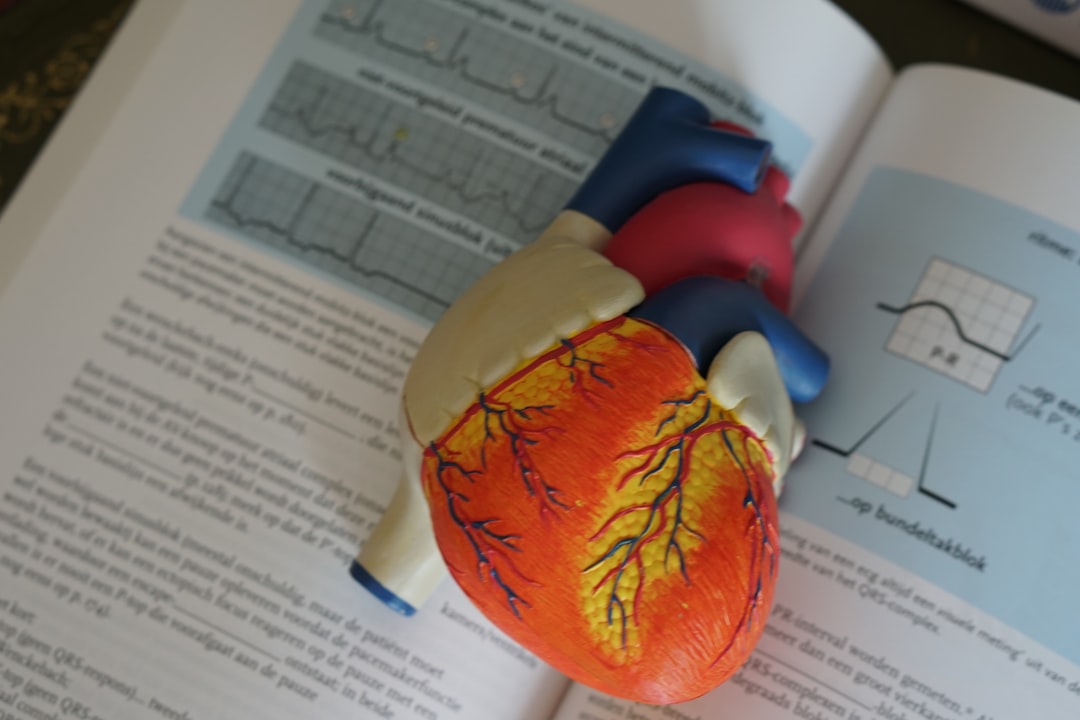
The circulatory system, also known as the cardiovascular system, is a complex network responsible for the transportation of blood, nutrients, oxygen, carbon dioxide, and hormones throughout the body. This intricate system comprises the heart, blood vessels, and blood itself. The heart functions as a muscular pump, propelling blood through a vast array of arteries, veins, and capillaries that reach every cell in the body.
The circulatory system plays a pivotal role in maintaining homeostasis, regulating body temperature, and facilitating immune responses. The circulatory system can be divided into two primary circuits: the systemic circulation and the pulmonary circulation. Systemic circulation delivers oxygen-rich blood from the heart to the rest of the body, while pulmonary circulation transports deoxygenated blood from the heart to the lungs for oxygenation.
This dual system ensures that tissues receive adequate oxygen and nutrients while removing metabolic waste products. Understanding the intricacies of this system is essential for recognizing its significance in overall health and well-being.
Key Takeaways
- The circulatory system is responsible for transporting blood, oxygen, and nutrients throughout the body.
- Common circulatory system diseases include hypertension, coronary artery disease, and peripheral artery disease.
- Understanding heart disease is crucial for recognizing and managing circulatory system diseases.
- Recognizing symptoms such as chest pain, shortness of breath, and numbness in the extremities is important for early detection of circulatory system diseases.
- Risk factors for circulatory system diseases include high blood pressure, high cholesterol, smoking, and diabetes.
Common Circulatory System Diseases
Circulatory system diseases encompass a wide range of conditions that can significantly impact cardiovascular health. Among the most prevalent are coronary artery disease (CAD), hypertension (high blood pressure), heart failure, arrhythmias, and peripheral artery disease (PAD). Each of these conditions presents unique challenges and requires tailored approaches for management and treatment.
Coronary artery disease is characterized by the narrowing or blockage of coronary arteries due to atherosclerosis, which is the buildup of fatty deposits (plaques) on arterial walls.
Heart failure occurs when the heart is unable to pump sufficient blood to meet the body’s needs, leading to symptoms such as fatigue and shortness of breath.
Arrhythmias involve irregular heartbeats that can disrupt normal cardiac function, while peripheral artery disease affects blood flow to the limbs, often resulting in pain and mobility issues.
Understanding Heart Disease

Heart disease is a broad term encompassing various conditions affecting the heart’s structure and function. It includes coronary artery disease, heart valve disorders, cardiomyopathy, and congenital heart defects. The underlying mechanisms often involve a combination of genetic predisposition, lifestyle factors, and environmental influences.
Atherosclerosis is a common pathway leading to many forms of heart disease, where plaque accumulation narrows arteries and restricts blood flow. The consequences of heart disease can be dire, leading to myocardial infarction (heart attack), sudden cardiac arrest, or even death. Risk factors such as high cholesterol levels, smoking, obesity, and sedentary lifestyles exacerbate these conditions.
Understanding the multifaceted nature of heart disease is crucial for developing effective prevention strategies and treatment protocols.
Recognizing Symptoms of Circulatory System Diseases
| Symptom | Description |
|---|---|
| Chest pain | May indicate a heart attack or angina |
| Shortness of breath | Could be a sign of heart failure or pulmonary embolism |
| Leg pain | May be a symptom of peripheral artery disease |
| Dizziness or lightheadedness | Could be related to low blood pressure or heart arrhythmias |
| Swelling in the legs, ankles, or feet | May indicate heart failure or venous insufficiency |
Identifying symptoms associated with circulatory system diseases is vital for early intervention and management. Common manifestations include chest pain or discomfort, shortness of breath, fatigue, palpitations, and swelling in the legs or abdomen. Chest pain may present as a feeling of pressure or tightness and can radiate to the arms, neck, or jaw.
Shortness of breath may occur during physical activity or even at rest in advanced cases. Other symptoms may include dizziness or lightheadedness, which can indicate reduced blood flow to the brain. Swelling in the extremities often signals fluid retention due to heart failure or venous insufficiency.
Recognizing these symptoms early can lead to timely medical evaluation and intervention, potentially preventing severe complications.
Risk Factors for Circulatory System Diseases
Several risk factors contribute to the development of circulatory system diseases. These factors can be classified into modifiable and non-modifiable categories. Non-modifiable risk factors include age, gender, and family history of cardiovascular diseases.
As individuals age, their risk increases due to natural physiological changes in the cardiovascular system. Modifiable risk factors are those that individuals can influence through lifestyle changes. These include hypertension, high cholesterol levels, diabetes mellitus, obesity, physical inactivity, smoking, and excessive alcohol consumption.
Addressing these modifiable factors through lifestyle modifications can significantly reduce the risk of developing circulatory system diseases.
Diagnostic Tests for Circulatory System Diseases

Accurate diagnosis of circulatory system diseases is essential for effective treatment planning. A variety of diagnostic tests are employed to assess cardiovascular health. Common tests include electrocardiograms (ECGs), echocardiograms, stress tests, and angiography.
An electrocardiogram records the electrical activity of the heart and can identify arrhythmias or signs of ischemia. Echocardiography utilizes ultrasound waves to visualize heart structures and assess their function. Stress tests evaluate how well the heart performs under physical exertion, while angiography involves imaging blood vessels using contrast dye to detect blockages or abnormalities.
These diagnostic tools provide critical information that guides healthcare providers in formulating appropriate treatment strategies tailored to individual patient needs.
Treatment Options for Circulatory System Diseases
Treatment options for circulatory system diseases vary based on the specific condition and its severity. Pharmacological interventions often play a central role in managing these diseases. Common medications include antihypertensives for controlling blood pressure, statins for lowering cholesterol levels, antiplatelet agents like aspirin to prevent clot formation, and beta-blockers to manage arrhythmias.
In more severe cases, surgical interventions may be necessary. Procedures such as angioplasty with stent placement can open blocked arteries, while coronary artery bypass grafting (CABG) reroutes blood flow around obstructions. Heart valve repair or replacement may be indicated for patients with significant valvular disorders.
Additionally, lifestyle modifications are integral to treatment plans. Patients are often advised to adopt heart-healthy diets rich in fruits, vegetables, whole grains, lean proteins, and healthy fats while minimizing saturated fats and sugars.
Lifestyle Changes to Improve Circulatory System Health
Implementing lifestyle changes is paramount for enhancing circulatory system health and reducing disease risk. A balanced diet plays a crucial role; incorporating foods high in omega-3 fatty acids—such as fatty fish—can improve lipid profiles and reduce inflammation. Regular consumption of fruits and vegetables provides essential vitamins and antioxidants that support cardiovascular health.
Physical activity is another cornerstone of a healthy lifestyle. Engaging in at least 150 minutes of moderate-intensity aerobic exercise weekly can improve cardiovascular fitness and aid in weight management. Activities such as walking, cycling, swimming, or dancing not only enhance physical health but also promote mental well-being.
Moreover, stress management techniques such as mindfulness meditation or yoga can positively impact cardiovascular health by reducing stress-related hormones that contribute to hypertension.
Preventing Circulatory System Diseases
Preventive measures are essential for reducing the incidence of circulatory system diseases. Regular health screenings can help identify risk factors early on; monitoring blood pressure, cholesterol levels, and glucose levels allows for timely intervention when abnormalities are detected. Adopting a heart-healthy lifestyle is fundamental in prevention efforts.
Quitting smoking significantly reduces cardiovascular risk; even those who have smoked for years can benefit from cessation efforts.
Education about recognizing early symptoms is also vital; individuals should be aware of warning signs that necessitate prompt medical attention.
The Importance of Regular Exercise for Circulatory System Health
Regular exercise is one of the most effective strategies for promoting circulatory system health. Engaging in physical activity strengthens the heart muscle, improves circulation, lowers blood pressure, and enhances overall cardiovascular fitness. Exercise also aids in weight management by burning calories and building muscle mass.
Aerobic exercises such as brisk walking, jogging, cycling, or swimming are particularly beneficial for cardiovascular health. These activities increase heart rate and improve oxygen delivery throughout the body. Additionally, incorporating strength training exercises at least twice a week can enhance muscle tone and metabolic function.
The psychological benefits of exercise should not be overlooked; physical activity releases endorphins that elevate mood and reduce stress levels—factors that contribute significantly to overall cardiovascular health.
Taking Control of Your Circulatory System Health
In conclusion, understanding the complexities of the circulatory system is essential for recognizing its importance in overall health. Awareness of common diseases affecting this system empowers individuals to take proactive steps toward prevention and management. By identifying risk factors early on and implementing lifestyle changes—such as adopting a balanced diet and engaging in regular exercise—individuals can significantly improve their cardiovascular health.
Regular medical check-ups and diagnostic testing play crucial roles in monitoring cardiovascular status and facilitating timely interventions when necessary. Ultimately, taking control of one’s circulatory system health involves a commitment to informed decision-making regarding lifestyle choices and healthcare practices that promote long-term well-being.
If you are concerned about the impact of circulatory system diseases on your health and financial well-being, it may be worth considering the importance of life insurance. Life insurance can provide financial protection for your loved ones in the event of your passing due to a circulatory system disease. To learn more about the benefits of life insurance and what you need to know before purchasing a policy, check out this informative article on the importance of life insurance.
FAQs
What are circulatory system diseases?
Circulatory system diseases are conditions that affect the heart and blood vessels, leading to impaired blood flow and potential damage to organs and tissues.
What are some common circulatory system diseases?
Common circulatory system diseases include coronary artery disease, hypertension, heart failure, stroke, peripheral artery disease, and aneurysms.
What are the risk factors for circulatory system diseases?
Risk factors for circulatory system diseases include high blood pressure, high cholesterol, smoking, diabetes, obesity, and a sedentary lifestyle.
What are the symptoms of circulatory system diseases?
Symptoms of circulatory system diseases can include chest pain, shortness of breath, dizziness, fatigue, swelling in the legs, and numbness or weakness in the limbs.
How are circulatory system diseases diagnosed?
Circulatory system diseases are diagnosed through a combination of medical history, physical examination, blood tests, imaging tests (such as echocardiograms or angiograms), and other specialized tests.
What are the treatment options for circulatory system diseases?
Treatment options for circulatory system diseases may include lifestyle changes, medications, surgical procedures (such as angioplasty or bypass surgery), and cardiac rehabilitation programs.
Can circulatory system diseases be prevented?
Many circulatory system diseases can be prevented or managed through healthy lifestyle choices, including regular exercise, a balanced diet, maintaining a healthy weight, not smoking, and managing stress. Regular medical check-ups and screenings are also important for early detection and intervention.