Now Reading: Recognizing Signs of Heart Problems
-
01
Recognizing Signs of Heart Problems
Recognizing Signs of Heart Problems
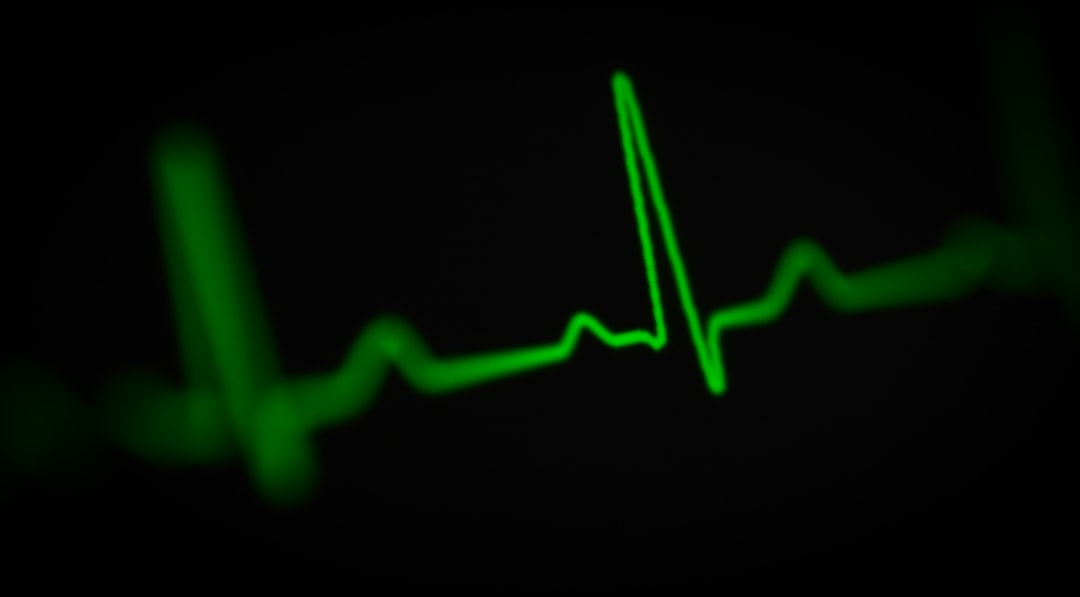
Heart problems encompass a wide range of cardiovascular diseases that affect the heart’s structure and function. These conditions can arise from various factors, including genetic predisposition, lifestyle choices, and environmental influences. The heart, a muscular organ responsible for pumping blood throughout the body, can experience issues such as coronary artery disease, heart failure, arrhythmias, and valvular heart disease.
Understanding the underlying mechanisms of these disorders is crucial for effective management and prevention. Coronary artery disease (CAD) is one of the most prevalent forms of heart disease, characterized by the narrowing or blockage of coronary arteries due to atherosclerosis. This condition can lead to angina pectoris or myocardial infarction (heart attack).
Heart failure, on the other hand, occurs when the heart cannot pump sufficient blood to meet the body’s needs, often resulting from long-standing hypertension or previous myocardial infarctions. Arrhythmias involve irregular heartbeats that can disrupt normal cardiac function, while valvular heart disease pertains to dysfunction of one or more of the heart’s valves, affecting blood flow.
Key Takeaways
- Heart problems can manifest in various symptoms such as chest pain, shortness of breath, irregular heartbeat, swelling, fatigue, weakness, dizziness, and lightheadedness.
- Chest pain and discomfort are common symptoms of heart problems and can vary in intensity and duration.
- Shortness of breath can be a sign of heart problems and may occur during physical activity or at rest.
- Irregular heartbeat, also known as arrhythmia, can cause the heart to beat too fast, too slow, or irregularly.
- Swelling in the legs, ankles, or abdomen can be a sign of heart failure and should be evaluated by a healthcare professional.
Common Symptoms of Heart Problems
Recognizing the symptoms associated with heart problems is vital for early diagnosis and intervention. Symptoms can vary significantly depending on the specific condition and its severity. Common manifestations include chest pain, shortness of breath, irregular heartbeat, swelling in the extremities, fatigue, dizziness, and lightheadedness.
Each symptom may indicate different underlying issues, necessitating a thorough evaluation by healthcare professionals. Chest pain is often the most recognized symptom of heart problems; however, it is essential to understand that not all chest pain is cardiac in origin. Shortness of breath can occur during physical activity or at rest and may indicate heart failure or pulmonary complications.
Irregular heartbeat, or arrhythmia, can present as palpitations or a racing heart and may require further investigation to determine its cause. Swelling in the legs, ankles, or abdomen can signal fluid retention due to heart failure or other systemic issues.
Chest Pain and Discomfort
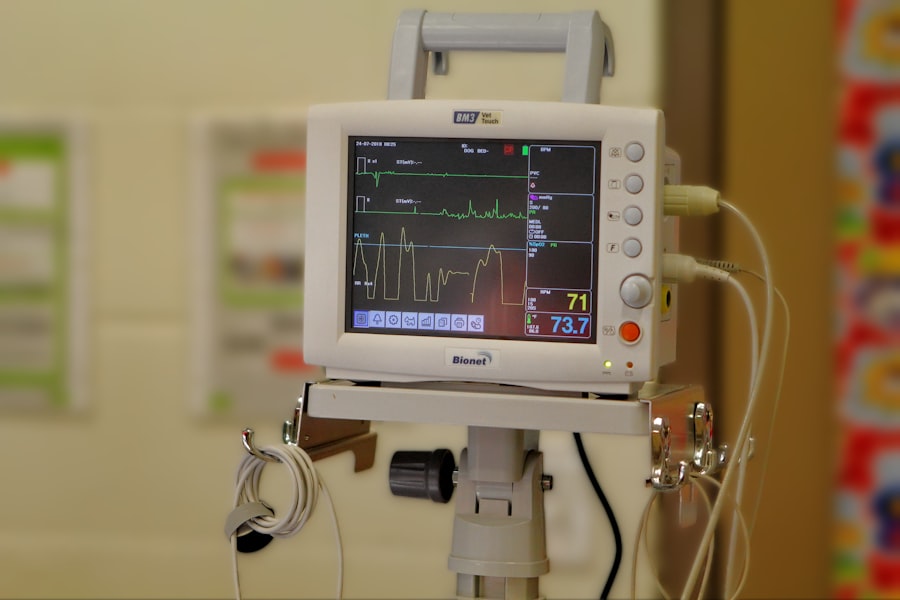
Chest pain is a hallmark symptom of various cardiac conditions and can manifest in several ways. Patients may describe it as a sharp stabbing sensation, a dull ache, or a feeling of pressure or tightness. The location and intensity of the pain can vary; it may radiate to the arms, neck, jaw, or back.
Understanding the characteristics of chest pain is crucial for differentiating between cardiac and non-cardiac causes. In cases of myocardial infarction, chest pain typically presents suddenly and may be accompanied by other symptoms such as sweating, nausea, or shortness of breath. Conversely, angina pectoris often occurs during physical exertion or emotional stress and subsides with rest.
It is essential for individuals experiencing chest discomfort to seek immediate medical attention to rule out life-threatening conditions.
Shortness of Breath
| Age Group | Percentage |
|---|---|
| 18-44 | 12% |
| 45-64 | 24% |
| 65+ | 36% |
Shortness of breath, medically termed dyspnea, is another significant symptom associated with heart problems. It can occur during physical activity or at rest and may be indicative of underlying cardiac dysfunction. Patients may experience varying degrees of dyspnea, ranging from mild exertional breathlessness to severe respiratory distress.
In heart failure, shortness of breath often results from fluid accumulation in the lungs due to impaired cardiac output. This condition can lead to pulmonary congestion and decreased oxygenation of blood. Additionally, individuals with arrhythmias may experience shortness of breath due to inadequate blood flow to vital organs.
Identifying the cause of dyspnea is essential for appropriate management and treatment.
Irregular Heartbeat
An irregular heartbeat, or arrhythmia, can manifest as palpitations or a sensation of fluttering in the chest. Arrhythmias can be classified into several types based on their origin and characteristics: atrial fibrillation, ventricular tachycardia, and bradycardia are among the most common forms. Each type presents unique challenges and potential complications.
Atrial fibrillation (AF) is characterized by rapid and chaotic electrical signals in the atria, leading to an irregular and often rapid heartbeat. This condition increases the risk of stroke due to potential blood clots forming in the atria. Ventricular tachycardia (VT) involves rapid heartbeats originating from the ventricles and can be life-threatening if not promptly addressed.
Bradycardia refers to a slower-than-normal heart rate and may result in inadequate blood flow to vital organs.
Swelling in the Legs, Ankles, or Abdomen
Peripheral edema is a common symptom associated with heart problems, particularly heart failure. This condition occurs when excess fluid accumulates in the body’s tissues due to compromised cardiac function. Swelling may be most noticeable in the legs and ankles but can also affect the abdomen.
In heart failure, the heart’s inability to pump effectively leads to increased pressure in the blood vessels, causing fluid to leak into surrounding tissues. Patients may notice that their shoes fit more tightly or that they require looser clothing around their abdomen. Monitoring changes in swelling can provide valuable information regarding disease progression and treatment efficacy.
Fatigue and Weakness
Fatigue is a nonspecific symptom that can significantly impact an individual’s quality of life. In patients with heart problems, fatigue often results from decreased cardiac output and inadequate oxygen delivery to tissues.
Individuals with heart failure frequently report persistent fatigue that does not improve with rest. This chronic tiredness can lead to decreased physical activity levels and further deterioration of cardiovascular health. Addressing fatigue through lifestyle modifications and appropriate medical interventions is essential for improving overall well-being.
Dizziness and Lightheadedness
Dizziness and lightheadedness are symptoms that may arise from various cardiovascular conditions. These sensations can occur due to inadequate blood flow to the brain resulting from arrhythmias or hypotension (low blood pressure).
In some cases, dizziness may indicate a more severe underlying issue such as aortic stenosis or other valvular heart diseases that impede normal blood flow. It is crucial for individuals experiencing recurrent dizziness to undergo thorough evaluation to determine the underlying cause and appropriate treatment options.
Recognizing the Signs of a Heart Attack
Recognizing the signs of a heart attack is critical for timely intervention and improved outcomes. Classic symptoms include intense chest pain or discomfort that may radiate to other areas such as the arms, neck, jaw, or back. Accompanying symptoms may include shortness of breath, sweating, nausea, lightheadedness, or a sense of impending doom.
It is important to note that not all individuals experience typical symptoms during a heart attack; women, in particular, may present with atypical signs such as fatigue or indigestion. Prompt recognition of these symptoms and immediate medical attention can significantly reduce morbidity and mortality associated with myocardial infarction.
When to Seek Medical Attention
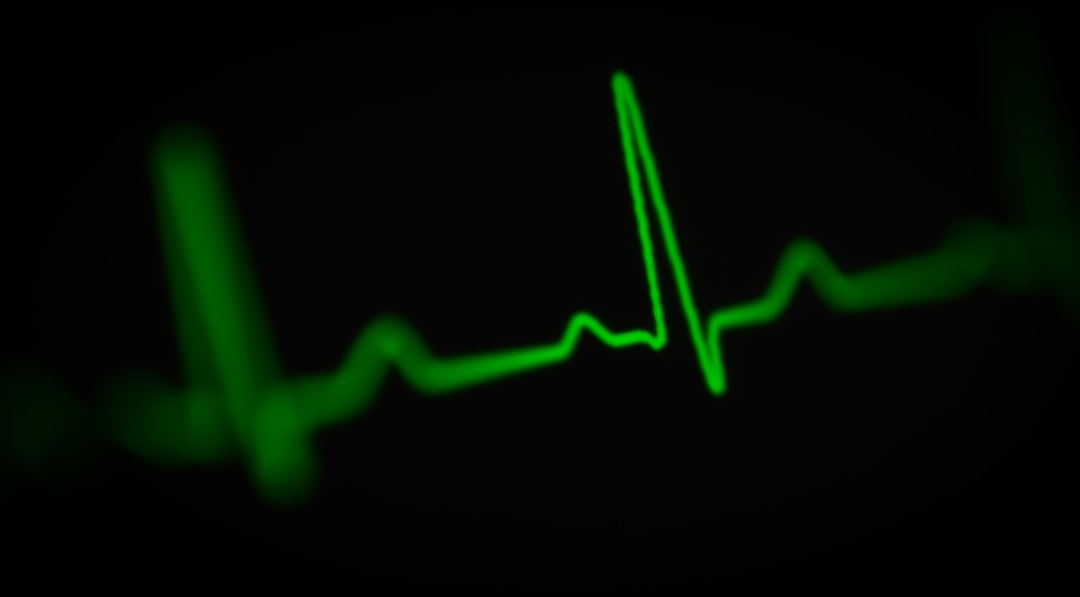
Individuals experiencing any concerning symptoms related to their cardiovascular health should seek medical attention promptly. Signs warranting immediate evaluation include severe chest pain lasting more than a few minutes, sudden shortness of breath at rest, persistent dizziness or lightheadedness, and swelling accompanied by difficulty breathing. Healthcare professionals will conduct a comprehensive assessment that may include electrocardiograms (ECGs), echocardiograms, stress tests, and laboratory evaluations to determine the underlying cause of symptoms.
Early diagnosis and intervention are paramount in preventing complications associated with heart problems.
Prevention and Lifestyle Changes for Heart Health
Preventing heart problems involves adopting a multifaceted approach that includes lifestyle modifications and regular medical check-ups. Key strategies for maintaining cardiovascular health include engaging in regular physical activity, adhering to a balanced diet rich in fruits, vegetables, whole grains, lean proteins, and healthy fats while minimizing saturated fats and sugars. Additionally, managing risk factors such as hypertension, diabetes mellitus, hyperlipidemia (high cholesterol), and smoking cessation is crucial for reducing cardiovascular disease risk.
Regular health screenings can help identify potential issues early on and facilitate timely intervention. In some cases, pharmacological interventions may be necessary to manage risk factors effectively. Medications such as statins for cholesterol management or antihypertensives for blood pressure control play an essential role in preventing cardiovascular events.
In summary, understanding heart problems involves recognizing their diverse manifestations and symptoms while emphasizing early detection and intervention strategies. By adopting preventive measures through lifestyle changes and seeking timely medical attention when necessary, individuals can significantly reduce their risk of developing serious cardiovascular conditions.
If you are experiencing signs of heart issues, it is important to seek medical attention immediately. According to a recent article on