Now Reading: Understanding Circulatory Ailments: Causes and Treatments
-
01
Understanding Circulatory Ailments: Causes and Treatments
Understanding Circulatory Ailments: Causes and Treatments
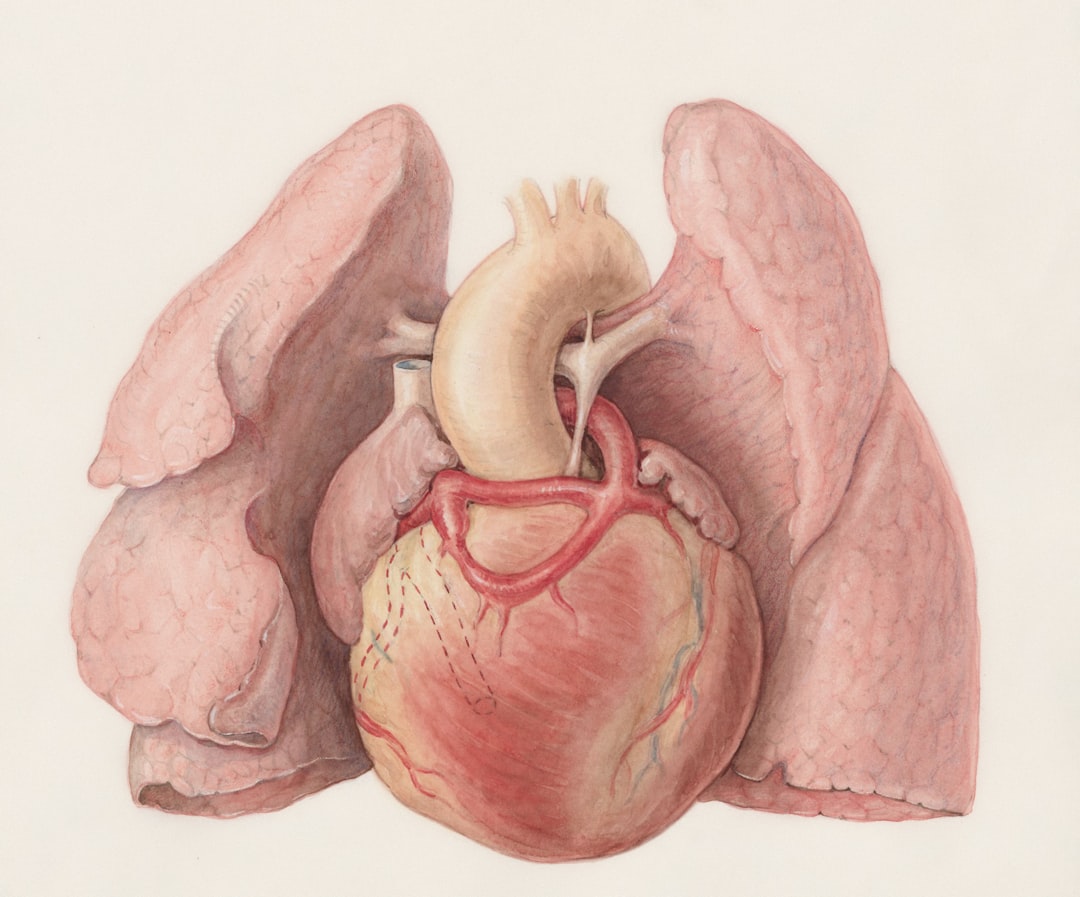
Circulatory ailments encompass a broad spectrum of disorders affecting the heart and blood vessels, collectively known as the cardiovascular system. These conditions can significantly impair the body’s ability to transport oxygen and nutrients, leading to severe health complications. The circulatory system is vital for maintaining homeostasis, and any disruption can result in systemic issues.
Cardiovascular diseases (CVD) are among the leading causes of morbidity and mortality worldwide, necessitating a comprehensive understanding of their nature, causes, and management strategies. The prevalence of circulatory ailments has escalated in recent decades, driven by lifestyle changes, dietary habits, and an aging population. Conditions such as hypertension, coronary artery disease, and peripheral artery disease are increasingly common, affecting millions globally.
Understanding these ailments is crucial for both prevention and effective treatment, as early intervention can significantly improve patient outcomes. This article aims to provide an in-depth exploration of circulatory ailments, including their causes, types, risk factors, symptoms, diagnosis, treatment options, and preventive measures.
Key Takeaways
- Circulatory ailments affect the heart and blood vessels, leading to serious health issues.
- Causes of circulatory ailments include high blood pressure, high cholesterol, and smoking.
- Common types of circulatory ailments include coronary artery disease, peripheral artery disease, and deep vein thrombosis.
- Risk factors for circulatory ailments include obesity, diabetes, and a sedentary lifestyle.
- Symptoms of circulatory ailments may include chest pain, shortness of breath, and leg swelling.
Understanding the Causes of Circulatory Ailments
The etiology of circulatory ailments is multifactorial, involving a complex interplay of genetic, environmental, and lifestyle factors. One of the primary contributors is atherosclerosis, a condition characterized by the buildup of plaque within arterial walls. This process can lead to narrowed arteries, reduced blood flow, and increased risk of thrombosis.
Other causes include hypertension, which exerts excessive pressure on arterial walls, and diabetes mellitus, which can damage blood vessels over time.
Chronic inflammatory states can lead to endothelial dysfunction, promoting vascular damage and contributing to the progression of atherosclerosis.
Additionally, lifestyle factors such as smoking, sedentary behavior, and poor dietary choices can exacerbate these conditions. Understanding these underlying causes is essential for developing targeted interventions aimed at mitigating risk and improving cardiovascular health.
Common Types of Circulatory Ailments

Circulatory ailments can be categorized into several distinct types, each with unique characteristics and implications for health. Coronary artery disease (CAD) is one of the most prevalent forms, resulting from the narrowing of coronary arteries due to plaque buildup. This condition can lead to angina pectoris or myocardial infarction (heart attack), both of which pose significant health risks. Another common type is peripheral artery disease (PAD), which affects blood flow to the limbs, often resulting in pain during physical activity. Cerebrovascular disease, including stroke and transient ischemic attacks (TIAs), occurs when blood flow to the brain is disrupted.
Other notable conditions include heart failure, characterized by the heart’s inability to pump effectively, and arrhythmias, which involve irregular heartbeats that can compromise cardiac function.
Risk Factors for Circulatory Ailments
| Risk Factor | Description |
|---|---|
| High Blood Pressure | Elevated blood pressure can strain the heart and lead to circulatory issues. |
| High Cholesterol | Elevated levels of cholesterol can lead to plaque buildup in the arteries, increasing the risk of circulatory ailments. |
| Smoking | Tobacco smoke can damage the blood vessels and increase the risk of heart disease and stroke. |
| Obesity | Excess body weight can lead to high blood pressure, high cholesterol, and diabetes, all of which are risk factors for circulatory ailments. |
| Diabetes | Uncontrolled diabetes can damage blood vessels and increase the risk of heart disease and stroke. |
Identifying risk factors is crucial for preventing circulatory ailments. Non-modifiable factors include age, gender, and family history of cardiovascular diseases. As individuals age, the risk of developing circulatory disorders increases significantly.
Men are generally at higher risk earlier in life compared to women; however, post-menopausal women experience an elevated risk due to hormonal changes. Modifiable risk factors are more amenable to intervention and include hypertension, hyperlipidemia (high cholesterol), obesity, physical inactivity, smoking, and poor dietary habits. Managing these factors through lifestyle modifications can substantially reduce the likelihood of developing circulatory ailments.
Regular health screenings are also essential for early detection and management of these risk factors.
Symptoms of Circulatory Ailments
The symptoms associated with circulatory ailments can vary widely depending on the specific condition and its severity. Common manifestations include chest pain or discomfort (angina), shortness of breath, fatigue, palpitations, and swelling in the legs or ankles due to fluid retention. In cases of peripheral artery disease, individuals may experience intermittent claudication—pain or cramping in the legs during physical activity that subsides with rest.
Cerebrovascular events may present with sudden weakness or numbness on one side of the body, difficulty speaking or understanding speech, and severe headaches without a known cause. Recognizing these symptoms early is critical for prompt medical intervention and can significantly improve outcomes in acute situations such as heart attacks or strokes.
Diagnosis of Circulatory Ailments
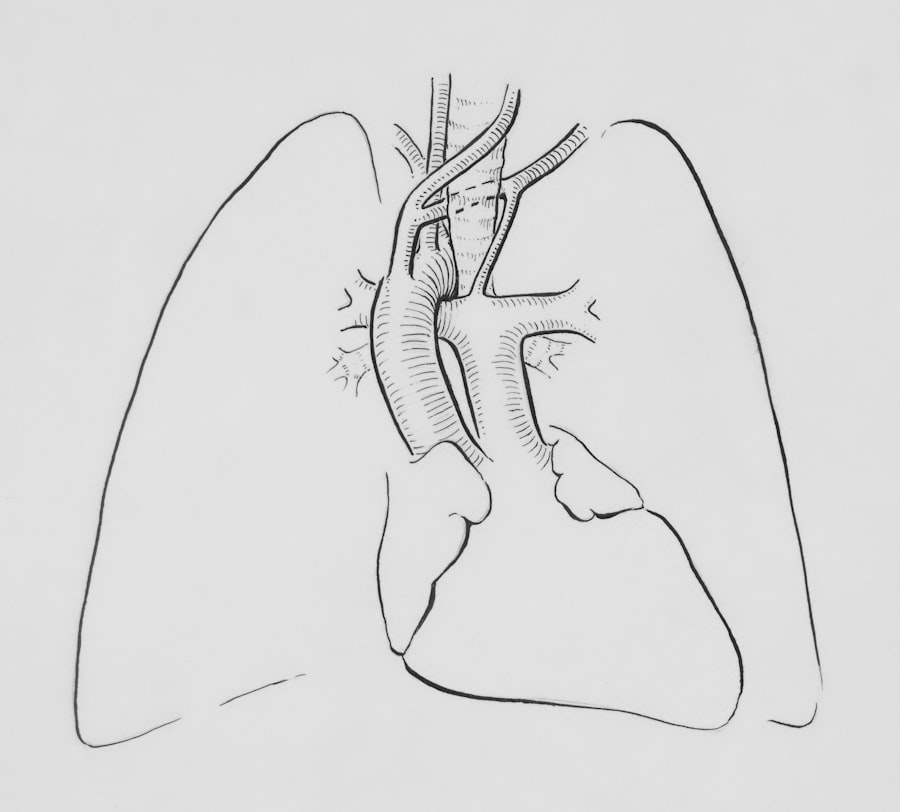
Diagnosing circulatory ailments involves a comprehensive evaluation that includes a detailed medical history, physical examination, and various diagnostic tests. Healthcare providers often utilize electrocardiograms (ECGs) to assess heart rhythm and identify any abnormalities.
Imaging techniques such as echocardiography provide valuable insights into heart structure and function. Angiography is employed to visualize blood vessels and detect blockages or narrowing. Blood tests are essential for assessing lipid profiles and markers of inflammation or cardiac injury.
A thorough diagnostic approach enables healthcare professionals to formulate an accurate diagnosis and develop an appropriate treatment plan.
Lifestyle Changes for Managing Circulatory Ailments
Implementing lifestyle changes is paramount in managing circulatory ailments effectively. A heart-healthy diet rich in fruits, vegetables, whole grains, lean proteins, and healthy fats can help lower cholesterol levels and reduce blood pressure. The Mediterranean diet is often recommended due to its emphasis on nutrient-dense foods that promote cardiovascular health.
Regular physical activity is equally important; engaging in at least 150 minutes of moderate-intensity aerobic exercise weekly can enhance cardiovascular fitness and aid in weight management. Smoking cessation is critical for reducing the risk of further complications associated with circulatory disorders. Stress management techniques such as mindfulness meditation or yoga can also contribute positively to overall cardiovascular health.
Medications for Treating Circulatory Ailments
Pharmacological interventions play a vital role in managing circulatory ailments. Antihypertensive medications are commonly prescribed to control high blood pressure; these may include diuretics, ACE inhibitors, beta-blockers, and calcium channel blockers. Statins are frequently utilized to lower cholesterol levels and stabilize atherosclerotic plaques.
Antiplatelet agents such as aspirin or clopidogrel are often recommended to prevent thrombus formation in patients with coronary artery disease or those who have experienced a stroke. In cases where heart failure is diagnosed, medications like angiotensin receptor-neprilysin inhibitors (ARNIs) or beta-blockers may be indicated to improve cardiac output and reduce symptoms.
Surgical Interventions for Circulatory Ailments
In certain cases where conservative management fails or severe blockages are present, surgical interventions may be necessary. Coronary artery bypass grafting (CABG) is a common procedure that reroutes blood flow around blocked arteries using grafts from other vessels in the body. Percutaneous coronary interventions (PCI), including angioplasty with stenting, are less invasive options that aim to open narrowed arteries.
For patients with peripheral artery disease experiencing debilitating symptoms or critical limb ischemia, procedures such as endarterectomy or bypass surgery may be indicated to restore adequate blood flow to affected limbs. In cases of severe arrhythmias, catheter ablation or implantable cardioverter-defibrillators (ICDs) may be employed to manage abnormal heart rhythms effectively.
Alternative Therapies for Circulatory Ailments
In addition to conventional medical treatments, alternative therapies may offer complementary benefits for individuals with circulatory ailments. Acupuncture has been studied for its potential effects on reducing hypertension and improving overall cardiovascular health. Herbal supplements such as garlic extract have shown promise in lowering cholesterol levels and enhancing vascular function.
Mind-body practices like yoga and tai chi can improve circulation while promoting relaxation and stress reduction. However, it is essential for patients to consult healthcare providers before initiating any alternative therapies to ensure safety and avoid potential interactions with prescribed medications.
Prevention of Circulatory Ailments
Preventing circulatory ailments requires a proactive approach focused on lifestyle modifications and regular health screenings. Individuals should prioritize maintaining a healthy weight through balanced nutrition and regular exercise while avoiding tobacco use entirely. Monitoring blood pressure and cholesterol levels regularly can facilitate early detection of potential issues.
Education on recognizing early symptoms of circulatory disorders empowers individuals to seek timely medical attention when necessary. Community programs promoting heart health awareness can also play a significant role in reducing the incidence of cardiovascular diseases within populations. In summary, circulatory ailments represent a significant public health challenge characterized by various conditions affecting the cardiovascular system.
Understanding their causes, types, risk factors, symptoms, diagnosis methods, treatment options—including medications and surgical interventions—alongside preventive measures is crucial for effective management. By adopting healthier lifestyles and remaining vigilant about cardiovascular health, individuals can significantly reduce their risk of developing serious circulatory disorders while enhancing their overall well-being.
Circulatory ailments can have a significant impact on one’s overall health and well-being. According to a recent article on Boogger, certain federal holidays in February, such as Presidents’ Day, can serve as a reminder to prioritize heart health and take steps to prevent circulatory issues. It is important to stay informed about the risk factors and symptoms of conditions like heart disease and stroke, as early detection and treatment can make a big difference in managing these ailments.
FAQs
What are circulatory ailments?
Circulatory ailments are conditions that affect the circulatory system, which includes the heart, blood vessels, and blood. These conditions can disrupt the normal flow of blood and lead to various health problems.
What are some common circulatory ailments?
Common circulatory ailments include hypertension (high blood pressure), coronary artery disease, peripheral artery disease, stroke, and heart failure.
What are the symptoms of circulatory ailments?
Symptoms of circulatory ailments can vary depending on the specific condition, but may include chest pain, shortness of breath, dizziness, fatigue, and swelling in the legs or arms.
What are the risk factors for circulatory ailments?
Risk factors for circulatory ailments include smoking, high cholesterol, high blood pressure, diabetes, obesity, and a sedentary lifestyle. Genetics and family history can also play a role.
How are circulatory ailments diagnosed?
Circulatory ailments are typically diagnosed through a combination of medical history, physical examination, and diagnostic tests such as blood tests, electrocardiogram (ECG), echocardiogram, and imaging studies like CT scans or MRIs.
What are the treatment options for circulatory ailments?
Treatment for circulatory ailments may include lifestyle changes (such as diet and exercise), medications (such as blood thinners or cholesterol-lowering drugs), and in some cases, surgical procedures (such as angioplasty or bypass surgery).
Can circulatory ailments be prevented?
Many circulatory ailments can be prevented or managed through healthy lifestyle choices, including regular exercise, a balanced diet, maintaining a healthy weight, not smoking, and managing conditions like high blood pressure and diabetes. Regular check-ups with a healthcare provider are also important for early detection and management of circulatory ailments.