Now Reading: Preventing CVD: Strategies for a Healthy Heart
-
01
Preventing CVD: Strategies for a Healthy Heart
Preventing CVD: Strategies for a Healthy Heart

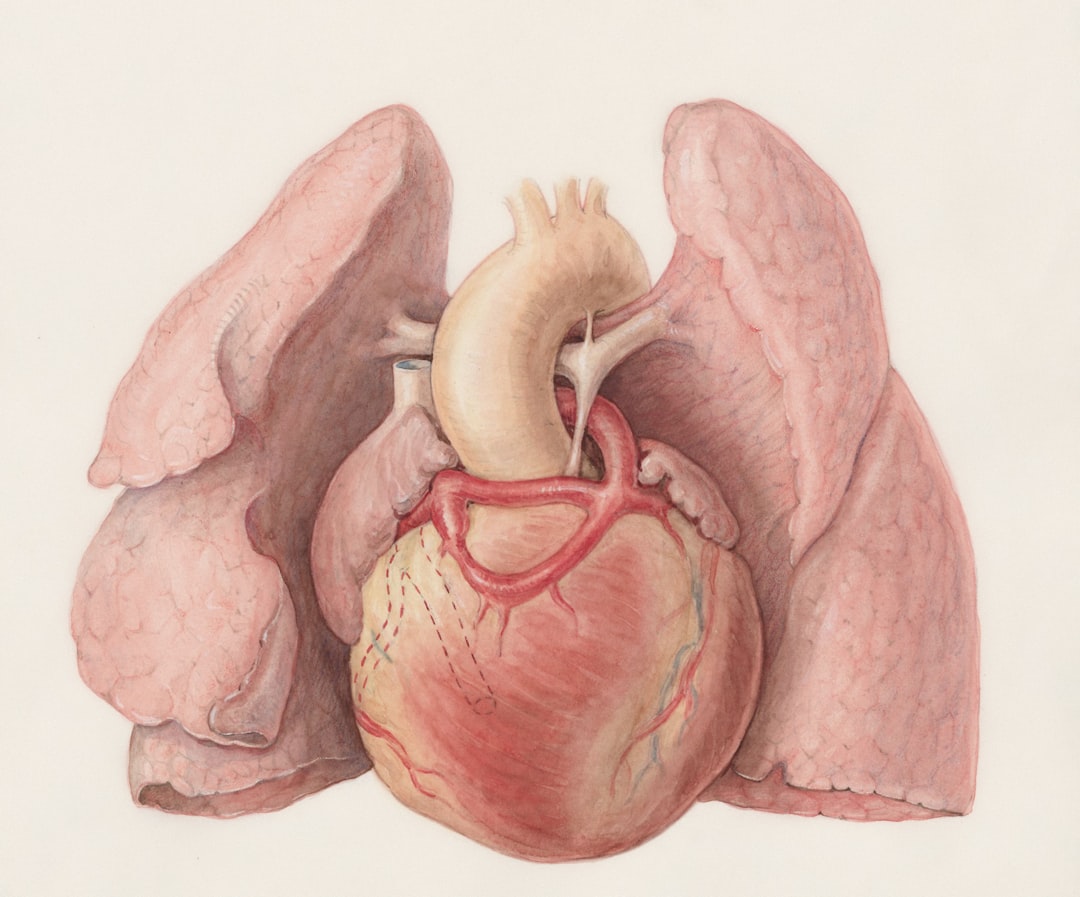
Cardiovascular disease (CVD) encompasses a range of disorders affecting the heart and blood vessels, including coronary artery disease, heart failure, arrhythmias, and peripheral artery disease. It is a leading cause of morbidity and mortality worldwide, accounting for approximately 31% of all global deaths, according to the World Health Organization. The pathophysiology of CVD often involves atherosclerosis, a condition characterized by the buildup of fatty deposits (plaques) in arterial walls, leading to reduced blood flow and increased risk of ischemic events.
Risk factors for CVD are multifaceted and can be categorized into modifiable and non-modifiable factors. Non-modifiable risk factors include age, gender, and genetic predisposition. Conversely, modifiable risk factors encompass hypertension, hyperlipidemia, diabetes mellitus, obesity, physical inactivity, and smoking.
Understanding these risk factors is crucial for developing effective prevention strategies and treatment protocols aimed at reducing the incidence of cardiovascular events.
Key Takeaways
- CVD is a leading cause of death globally, understanding its risk factors and symptoms is crucial for prevention and early detection.
- A healthy diet, rich in fruits, vegetables, whole grains, and lean proteins, is essential for maintaining heart health and preventing CVD.
- Regular exercise, including aerobic and strength training, plays a key role in reducing the risk of CVD and improving overall heart health.
- Managing stress through relaxation techniques, mindfulness, and seeking support can significantly impact heart health and reduce the risk of CVD.
- Regular health check-ups and screenings are important for early detection and management of CVD risk factors such as high blood pressure, cholesterol, and diabetes.
Importance of a Healthy Diet for Heart Health
A heart-healthy diet is fundamental in preventing and managing cardiovascular disease. The Mediterranean diet, rich in fruits, vegetables, whole grains, lean proteins, and healthy fats such as olive oil, has been associated with a reduced risk of CVD. This dietary pattern emphasizes the consumption of nutrient-dense foods while minimizing processed foods high in saturated fats, trans fats, and added sugars.
Key components of a heart-healthy diet include: – **Fruits and Vegetables**: These are high in antioxidants, vitamins, and minerals that combat oxidative stress and inflammation.
– **Whole Grains**: Foods like oats, brown rice, and quinoa provide fiber that helps lower cholesterol levels.
– **Lean Proteins**: Sources such as fish, poultry, legumes, and nuts contribute to muscle health without excessive saturated fat.
– **Healthy Fats**: Unsaturated fats found in avocados, nuts, and fatty fish can improve lipid profiles. Incorporating these elements into daily meals can significantly lower the risk of developing CVD while promoting overall health.
The Role of Regular Exercise in Preventing CVD

Regular physical activity is a cornerstone of cardiovascular health. Engaging in at least 150 minutes of moderate-intensity aerobic exercise per week can lead to substantial improvements in heart function and overall well-being. Exercise enhances cardiovascular fitness by improving endothelial function, reducing blood pressure, and promoting healthy lipid profiles.
Types of beneficial exercises include:
– **Aerobic Activities**: Walking, jogging, cycling, and swimming are excellent for increasing heart rate and improving circulation.
– **Strength Training**: Resistance exercises help build muscle mass and improve metabolic health.
– **Flexibility and Balance Exercises**: Activities such as yoga or tai chi can enhance overall physical function and reduce stress. Incorporating a variety of exercises into a weekly routine not only aids in weight management but also fosters mental health benefits that contribute to heart health.
Managing Stress and Its Impact on Heart Health
| Stress Management Techniques | Impact on Heart Health |
|---|---|
| Regular exercise | Reduces risk of heart disease |
| Meditation and deep breathing | Lowers blood pressure and heart rate |
| Healthy diet | Improves overall heart health |
| Quality sleep | Reduces risk of heart disease and stroke |
| Stress management programs | Can lower the risk of heart attacks |
Chronic stress has been identified as a significant risk factor for cardiovascular disease. The physiological response to stress involves the release of hormones such as cortisol and adrenaline, which can lead to increased heart rate and blood pressure. Over time, these changes can contribute to the development of hypertension and other cardiovascular complications.
Effective stress management techniques include: – **Mindfulness Meditation**: Practicing mindfulness can reduce anxiety and promote relaxation.
– **Deep Breathing Exercises**: These techniques help lower heart rate and induce a state of calm.
– **Physical Activity**: Regular exercise serves as a natural stress reliever by releasing endorphins. By adopting these strategies, individuals can mitigate the adverse effects of stress on their cardiovascular health.
Importance of Regular Health Check-ups and Screenings
Routine health check-ups play a vital role in the early detection and management of cardiovascular disease. Regular screenings for blood pressure, cholesterol levels, and blood glucose can identify risk factors before they escalate into serious health issues. The American Heart Association recommends that adults have their blood pressure checked at least once every two years if it is normal; more frequently if elevated.
Screening tests may include: – **Lipid Profile**: Measures levels of LDL (low-density lipoprotein) and HDL (high-density lipoprotein) cholesterol.
– **Blood Pressure Monitoring**: Essential for detecting hypertension.
– **Blood Glucose Testing**: Important for identifying diabetes or prediabetes. By prioritizing regular health assessments, individuals can take proactive steps toward maintaining optimal cardiovascular health.
Smoking Cessation and its Effect on Heart Health

Smoking is one of the most significant modifiable risk factors for cardiovascular disease. The harmful chemicals in tobacco smoke contribute to endothelial dysfunction, increased arterial stiffness, and elevated blood pressure. Quitting smoking can lead to immediate improvements in heart health; within just 20 minutes of cessation, heart rate and blood pressure begin to normalize.
Strategies for successful smoking cessation include: – **Nicotine Replacement Therapy (NRT)**: Options such as patches or gum can help reduce withdrawal symptoms.
– **Behavioral Therapy**: Counseling or support groups provide essential emotional support during the quitting process.
– **Prescription Medications**: Drugs like varenicline (Chantix) or bupropion (Zyban) can assist in reducing cravings. The benefits of quitting smoking extend beyond cardiovascular health; it also reduces the risk of various cancers and respiratory diseases.
Limiting Alcohol Consumption for a Healthy Heart
Moderate alcohol consumption has been associated with certain cardiovascular benefits; however, excessive intake poses significant risks. The American Heart Association defines moderate drinking as up to one drink per day for women and up to two drinks per day for men. Excessive alcohol consumption can lead to hypertension, cardiomyopathy, arrhythmias, and increased caloric intake contributing to obesity.
To maintain heart health while consuming alcohol: – **Set Limits**: Establish personal guidelines for alcohol intake based on health status.
– **Choose Wisely**: Opt for beverages with lower alcohol content.
– **Stay Hydrated**: Drink water alongside alcoholic beverages to mitigate dehydration effects. By adhering to these guidelines, individuals can enjoy social occasions without compromising their cardiovascular health.
Importance of Maintaining a Healthy Weight for Heart Health
Obesity is a significant risk factor for cardiovascular disease due to its association with hypertension, dyslipidemia, and insulin resistance. Maintaining a healthy weight through balanced nutrition and regular physical activity is essential for reducing the burden on the cardiovascular system. The Body Mass Index (BMI) is commonly used to assess weight status; a BMI between 18.5 and 24.9 is considered healthy.
Strategies for achieving and maintaining a healthy weight include: – **Caloric Awareness**: Understanding caloric intake versus expenditure is crucial for weight management.
– **Portion Control**: Reducing portion sizes can help prevent overeating.
– **Regular Physical Activity**: Incorporating exercise into daily routines aids in weight loss and maintenance. By focusing on these strategies, individuals can significantly lower their risk of developing CVD related to obesity.
Managing High Blood Pressure and its Impact on CVD
Hypertension is often referred to as the “silent killer” due to its asymptomatic nature yet profound impact on cardiovascular health. Elevated blood pressure increases the workload on the heart and arteries, leading to damage over time. Effective management of hypertension is critical in preventing complications such as stroke or heart attack.
Management strategies include: – **Lifestyle Modifications**: Adopting a heart-healthy diet (DASH diet), engaging in regular exercise, and maintaining a healthy weight are foundational steps.
– **Medications**: Antihypertensive drugs such as ACE inhibitors (e.g., lisinopril), beta-blockers (e.g., metoprolol), or diuretics (e.g., hydrochlorothiazide) may be prescribed based on individual needs.
– **Regular Monitoring**: Keeping track of blood pressure readings helps assess treatment efficacy. By actively managing blood pressure levels, individuals can significantly reduce their risk of cardiovascular events.
Understanding Cholesterol and its Role in Heart Health
Cholesterol is a waxy substance found in every cell of the body; it plays essential roles in hormone production and cell membrane integrity. However, imbalances in cholesterol levels can lead to atherosclerosis and increase the risk of cardiovascular disease. LDL cholesterol is often termed “bad” cholesterol due to its association with plaque buildup in arteries, while HDL cholesterol is considered “good” cholesterol as it helps remove excess cholesterol from the bloodstream.
To manage cholesterol levels effectively: – **Dietary Changes**: Reducing saturated fat intake while increasing soluble fiber from sources like oats and legumes can improve lipid profiles.
– **Regular Exercise**: Physical activity can raise HDL levels while lowering LDL levels.
– **Medications**: Statins (e.g., atorvastatin) are commonly prescribed to lower LDL cholesterol levels when lifestyle changes are insufficient. Understanding cholesterol’s role in heart health is vital for implementing effective prevention strategies against CVD.
The Importance of Sleep for a Healthy Heart
Sleep plays an integral role in overall health, including cardiovascular well-being. Insufficient sleep has been linked to an increased risk of hypertension, obesity, diabetes, and ultimately cardiovascular disease. The American Academy of Sleep Medicine recommends that adults aim for 7 or more hours of sleep per night to promote optimal health.
To improve sleep quality: – **Establish a Sleep Routine**: Going to bed and waking up at consistent times helps regulate circadian rhythms.
– **Create a Sleep-Conducive Environment**: A dark, quiet room with comfortable bedding promotes better sleep quality.
– **Limit Screen Time Before Bed**: Reducing exposure to blue light from devices can enhance melatonin production. By prioritizing sleep hygiene practices, individuals can support their cardiovascular health effectively. In summary, cardiovascular disease remains a significant global health challenge influenced by various lifestyle factors.
Adopting a heart-healthy diet, engaging in regular physical activity, managing stress effectively, prioritizing routine health check-ups, quitting smoking, moderating alcohol consumption, maintaining a healthy weight, managing hypertension and cholesterol levels, along with ensuring adequate sleep are all critical components in preventing CVD. By implementing these strategies collectively, individuals can significantly reduce their risk of developing cardiovascular disease while enhancing their overall quality of life.
One important aspect of cardiovascular disease (CVD) prevention is understanding the impact of lifestyle choices on heart health. A recent article on Boogger discusses the significance of October 3rd as a day of reflection and celebration. This article highlights the importance of taking time to reflect on our health choices and celebrate the progress we have made towards better heart health. By incorporating healthy habits such as regular exercise, a balanced diet, and stress management techniques, individuals can reduce their risk of developing CVD and improve their overall well-being.
FAQs
What is CVD prevention?
CVD prevention refers to the strategies and measures taken to reduce the risk of developing cardiovascular diseases, such as heart disease and stroke. These measures include lifestyle changes, medication, and medical interventions aimed at reducing the risk factors associated with CVD.
What are the risk factors for CVD?
The risk factors for CVD include high blood pressure, high cholesterol, smoking, diabetes, obesity, physical inactivity, and poor diet. These factors can increase the likelihood of developing cardiovascular diseases and are important targets for prevention efforts.
What are some lifestyle changes that can help prevent CVD?
Lifestyle changes that can help prevent CVD include maintaining a healthy diet, engaging in regular physical activity, quitting smoking, managing stress, and limiting alcohol consumption. These changes can help reduce the risk factors associated with CVD and improve overall cardiovascular health.
What role does medication play in CVD prevention?
Medication can be used to help control risk factors for CVD, such as high blood pressure, high cholesterol, and diabetes. Medications may be prescribed to lower blood pressure, reduce cholesterol levels, and manage blood sugar levels, all of which can help reduce the risk of developing cardiovascular diseases.
What are some medical interventions for CVD prevention?
Medical interventions for CVD prevention may include procedures such as angioplasty or stent placement to open blocked arteries, as well as surgeries such as bypass surgery to improve blood flow to the heart. These interventions are typically used in cases where lifestyle changes and medication alone are not sufficient to reduce the risk of CVD.
How effective is CVD prevention?
CVD prevention can be highly effective in reducing the risk of developing cardiovascular diseases. By addressing risk factors through lifestyle changes, medication, and medical interventions, individuals can significantly lower their chances of experiencing heart disease, stroke, and other CVD-related complications.