Now Reading: Understanding Circulatory System Disorders
-
01
Understanding Circulatory System Disorders
Understanding Circulatory System Disorders

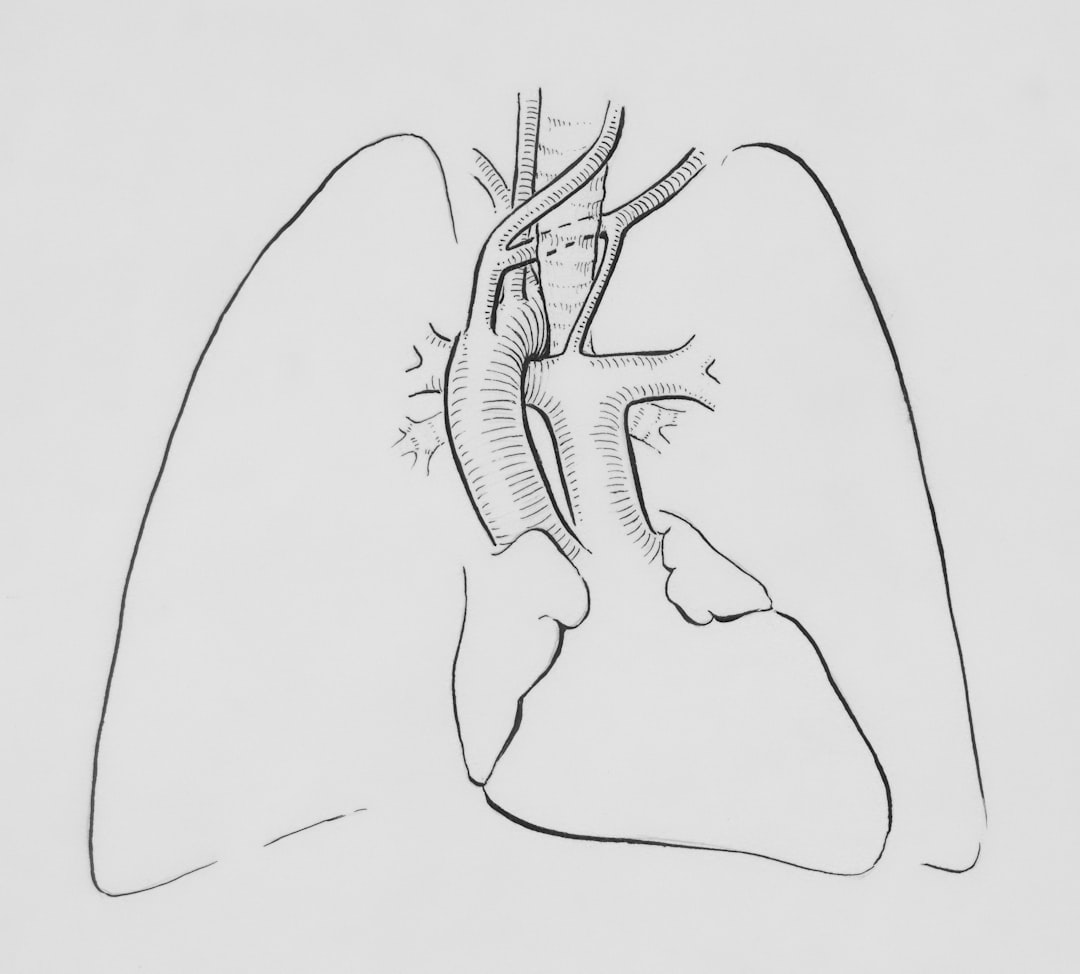
The circulatory system, a complex network comprising the heart, blood vessels, and blood, plays a pivotal role in sustaining life by delivering oxygen and nutrients to tissues while removing waste products. Disorders of this system can lead to significant morbidity and mortality, affecting millions globally. These conditions can manifest in various forms, ranging from hypertension and atherosclerosis to more severe issues like heart attacks and strokes.
Understanding the intricacies of circulatory system disorders is essential for effective management and prevention. The prevalence of circulatory system disorders is alarming, with cardiovascular diseases being the leading cause of death worldwide. According to the World Health Organization (WHO), approximately 17.9 million people died from cardiovascular diseases in 2019, accounting for 32% of all global deaths.
This statistic underscores the urgency of addressing these disorders through education, early detection, and comprehensive treatment strategies.
Key Takeaways
- The circulatory system is responsible for transporting blood, oxygen, and nutrients throughout the body, and disorders in this system can lead to serious health issues.
- Common circulatory system disorders include hypertension, coronary artery disease, peripheral artery disease, and deep vein thrombosis.
- Causes of circulatory system disorders can include high cholesterol, high blood pressure, smoking, diabetes, and obesity.
- Symptoms of circulatory system disorders may include chest pain, shortness of breath, fatigue, dizziness, and swelling in the legs.
- Diagnosis of circulatory system disorders often involves physical exams, blood tests, imaging tests, and specialized procedures such as angiography or echocardiography.
Common Circulatory System Disorders
Several circulatory system disorders are prevalent, each with unique characteristics and implications for health. Hypertension, or high blood pressure, is one of the most common conditions, affecting nearly 1.13 billion people worldwide. It often goes unnoticed due to its asymptomatic nature but can lead to severe complications such as heart failure, kidney disease, and stroke if left untreated.
Another significant disorder is coronary artery disease (CAD), characterized by the narrowing or blockage of coronary arteries due to atherosclerosis. This condition can result in angina pectoris or myocardial infarction (heart attack). Peripheral artery disease (PAD) is also noteworthy, where narrowed arteries reduce blood flow to the limbs, leading to pain and mobility issues.
Each of these disorders requires tailored approaches for diagnosis and management.
Causes of Circulatory System Disorders

The etiology of circulatory system disorders is multifactorial, encompassing genetic predispositions, lifestyle choices, and environmental factors. Genetic factors can significantly influence an individual’s risk for conditions such as familial hypercholesterolemia, which leads to elevated cholesterol levels and increased risk of CAD. Lifestyle choices play a crucial role in the development of these disorders.
Sedentary behavior, poor dietary habits high in saturated fats and sugars, smoking, and excessive alcohol consumption are significant contributors to hypertension and atherosclerosis. Additionally, chronic stress and obesity are recognized risk factors that exacerbate these conditions. Understanding these causes is vital for implementing effective prevention strategies.
Symptoms of Circulatory System Disorders
| Symptoms | Description |
|---|---|
| Chest pain | Pain or discomfort in the chest, often brought on by physical activity or stress |
| Shortness of breath | Difficulty breathing or catching breath, especially during physical exertion |
| Swelling in the legs | Buildup of fluid causing swelling in the legs, ankles, or feet |
| Dizziness or lightheadedness | Feeling faint, dizzy, or lightheaded, often when standing up quickly |
| Fatigue | Feeling tired or lacking energy, even after adequate rest |
Symptoms associated with circulatory system disorders can vary widely depending on the specific condition and its severity. Common manifestations include chest pain or discomfort, shortness of breath, fatigue, palpitations, and swelling in the legs or abdomen. In cases of hypertension, symptoms may be absent until complications arise, making regular monitoring essential.
In more acute scenarios, such as myocardial infarction or stroke, symptoms can be life-threatening and require immediate medical attention. Signs of a heart attack may include intense chest pain radiating to the arm or jaw, while stroke symptoms often present as sudden weakness on one side of the body, difficulty speaking, or loss of balance. Recognizing these symptoms promptly can be critical in preventing irreversible damage.
Diagnosis of Circulatory System Disorders
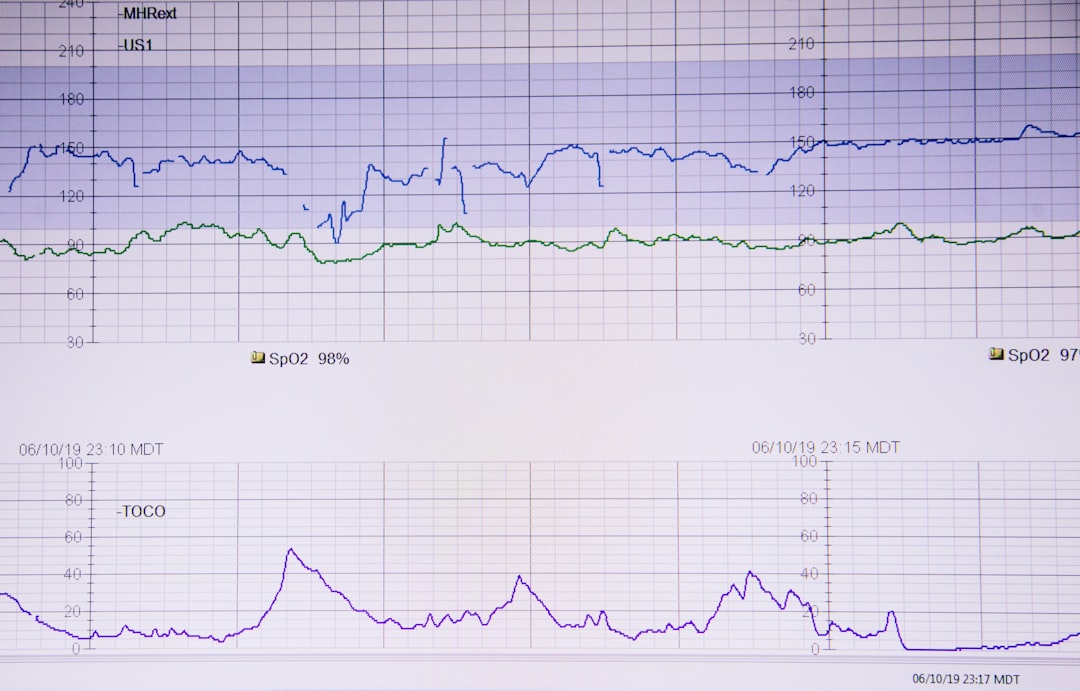
Diagnosing circulatory system disorders involves a comprehensive evaluation that includes a detailed medical history, physical examination, and various diagnostic tests. Healthcare providers often begin with measuring blood pressure and assessing risk factors such as cholesterol levels and blood glucose levels. Advanced diagnostic tools may include electrocardiograms (ECGs) to evaluate heart rhythm, echocardiograms to visualize heart structure and function, and stress tests to assess cardiovascular response under exertion.
In some cases, imaging studies like angiography or magnetic resonance imaging (MRI) may be necessary to identify blockages or structural abnormalities within the circulatory system.
Treatment Options for Circulatory System Disorders

Treatment modalities for circulatory system disorders are diverse and tailored to individual patient needs. Pharmacological interventions are commonly employed to manage conditions such as hypertension and hyperlipidemia. Antihypertensive medications like ACE inhibitors, beta-blockers, and diuretics are frequently prescribed to control blood pressure levels effectively.
For patients with CAD or PAD, antiplatelet agents such as aspirin or clopidogrel may be indicated to prevent thrombus formation. Statins are often utilized to lower cholesterol levels and reduce cardiovascular risk. In more severe cases, surgical interventions like angioplasty or coronary artery bypass grafting (CABG) may be necessary to restore adequate blood flow.
Lifestyle Changes to Manage Circulatory System Disorders
In conjunction with medical treatment, lifestyle modifications play a crucial role in managing circulatory system disorders. Adopting a heart-healthy diet rich in fruits, vegetables, whole grains, lean proteins, and healthy fats can significantly impact overall cardiovascular health. The Mediterranean diet is often recommended for its anti-inflammatory properties and ability to lower cholesterol levels.
Regular physical activity is equally important; engaging in at least 150 minutes of moderate-intensity aerobic exercise weekly can improve cardiovascular fitness and reduce risk factors associated with circulatory disorders. Additionally, smoking cessation programs and stress management techniques such as mindfulness or yoga can further enhance overall well-being.
Complications of Untreated Circulatory System Disorders
Failure to address circulatory system disorders can lead to severe complications that significantly impact quality of life and longevity. Untreated hypertension can result in end-organ damage, including heart failure, chronic kidney disease, and vision loss due to hypertensive retinopathy. Coronary artery disease can progress to acute coronary syndromes such as myocardial infarction or sudden cardiac death if not managed appropriately.
Similarly, untreated peripheral artery disease can lead to critical limb ischemia and potential amputation due to inadequate blood supply. Recognizing the importance of timely intervention is essential for preventing these dire outcomes.
Prevention of Circulatory System Disorders
Preventive measures are paramount in reducing the incidence of circulatory system disorders.
Regular health screenings for blood pressure, cholesterol levels, and glucose levels are vital for early detection of risk factors.
Encouraging community engagement in physical activities and promoting access to healthy food options can also contribute significantly to prevention efforts.
Importance of Early Detection and Management
Early detection of circulatory system disorders is critical for effective management and improved prognosis. Routine screenings allow for the identification of risk factors before they progress into more severe conditions. For instance, regular blood pressure checks can help detect hypertension early on, enabling timely intervention through lifestyle changes or pharmacotherapy.
Moreover, patient education regarding recognizing symptoms associated with acute events like heart attacks or strokes can facilitate prompt medical attention when necessary. The integration of technology in healthcare—such as telemedicine consultations—can further enhance access to care and support early detection efforts.
Support and Resources for Individuals with Circulatory System Disorders
Individuals diagnosed with circulatory system disorders often benefit from support networks that provide education and resources for managing their conditions effectively. Organizations such as the American Heart Association offer valuable information on lifestyle modifications, treatment options, and support groups for patients and their families. Additionally, healthcare providers play a crucial role in guiding patients through their treatment journey by offering personalized care plans that address individual needs.
Accessing community resources such as nutrition counseling or exercise programs can further empower patients in their pursuit of better cardiovascular health. In summary, circulatory system disorders represent a significant public health challenge that necessitates comprehensive understanding and proactive management strategies. By recognizing common disorders, their causes, symptoms, diagnostic methods, treatment options, lifestyle changes, complications of neglecting care, prevention strategies, early detection importance, and available support resources—individuals can take charge of their cardiovascular health effectively.
There is a fascinating article on federal holidays in October that discusses various national observances and their significance. This article provides insight into how these holidays are celebrated and recognized across the country. It is interesting to note how these holidays play a role in bringing people together and fostering a sense of unity and community. This sense of togetherness is crucial in promoting overall well-being, including physical health, such as managing circulatory system disorders.
FAQs
What is a circulatory system disorder?
A circulatory system disorder is a condition that affects the normal functioning of the circulatory system, which includes the heart, blood vessels, and blood. These disorders can range from minor issues to life-threatening conditions.
What are some common circulatory system disorders?
Common circulatory system disorders include hypertension (high blood pressure), coronary artery disease, heart failure, peripheral artery disease, and arrhythmias.
What are the symptoms of circulatory system disorders?
Symptoms of circulatory system disorders can vary depending on the specific condition, but may include chest pain, shortness of breath, dizziness, fatigue, swelling in the legs, and irregular heartbeat.
What are the risk factors for developing circulatory system disorders?
Risk factors for circulatory system disorders include smoking, high cholesterol, high blood pressure, diabetes, obesity, and a sedentary lifestyle. Genetics and family history can also play a role.
How are circulatory system disorders diagnosed?
Circulatory system disorders are typically diagnosed through a combination of physical exams, medical history, blood tests, imaging tests (such as echocardiograms or angiograms), and electrocardiograms (ECGs).
What are the treatment options for circulatory system disorders?
Treatment for circulatory system disorders may include lifestyle changes (such as diet and exercise), medications (such as blood thinners or cholesterol-lowering drugs), surgical procedures (such as angioplasty or bypass surgery), and in some cases, implantable devices like pacemakers or defibrillators.
Can circulatory system disorders be prevented?
Many circulatory system disorders can be prevented or managed through lifestyle changes, such as maintaining a healthy diet, exercising regularly, not smoking, and managing conditions like high blood pressure and diabetes. Regular check-ups with a healthcare provider can also help in early detection and prevention.