Now Reading: Preventing Cardiovascular Diseases: The Top 5 Risk Factors
-
01
Preventing Cardiovascular Diseases: The Top 5 Risk Factors
Preventing Cardiovascular Diseases: The Top 5 Risk Factors
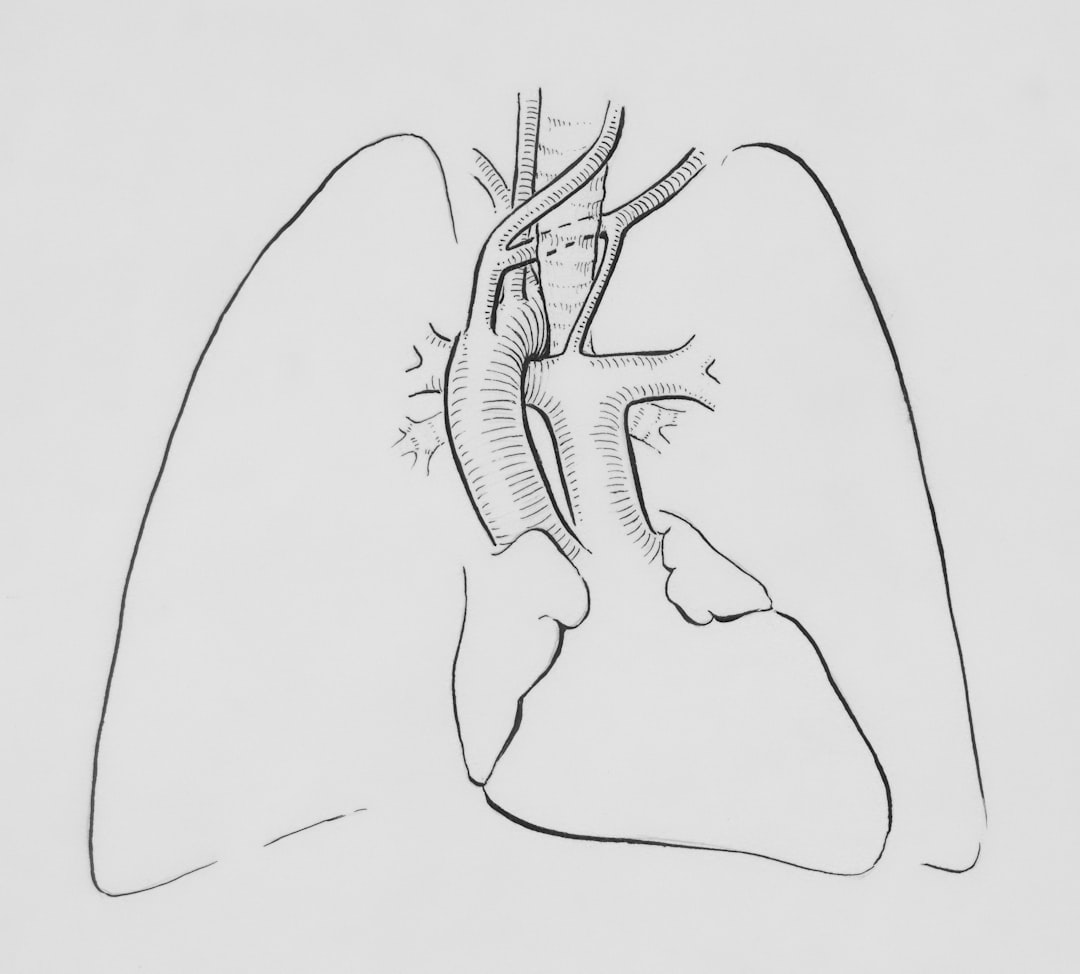
Cardiovascular diseases (CVD) encompass a range of disorders affecting the heart and blood vessels, including coronary artery disease, heart failure, arrhythmias, and stroke. These conditions are among the leading causes of morbidity and mortality globally, accounting for approximately 31% of all deaths according to the World Health Organization. The intricate interplay of genetic predisposition, lifestyle choices, and environmental factors contributes to the development of CVD.
Understanding these elements is crucial for prevention and management. The burden of cardiovascular diseases is not only a personal health issue but also a significant public health challenge. The economic implications are profound, with healthcare costs soaring due to hospitalizations, treatments, and long-term care associated with CVD.
As such, it is imperative to identify risk factors early and implement effective strategies to mitigate their impact. This article delves into the primary risk factors associated with cardiovascular diseases, emphasizing the importance of lifestyle modifications and medical interventions.
Key Takeaways
- Cardiovascular diseases are the leading cause of death globally, with risk factors including high blood pressure, high cholesterol, smoking, obesity, and lack of physical activity.
- High blood pressure, or hypertension, can damage the arteries and lead to heart disease, stroke, and other cardiovascular complications.
- High cholesterol can lead to the buildup of plaque in the arteries, increasing the risk of heart attack and stroke.
- Smoking damages the heart and blood vessels, increasing the risk of atherosclerosis and blood clots.
- Obesity and lack of physical activity are linked to an increased risk of developing heart disease, stroke, and other cardiovascular conditions.
Risk Factor 1: High Blood Pressure
Hypertension, or high blood pressure, is often referred to as the “silent killer” due to its asymptomatic nature. It affects nearly 1.13 billion people worldwide, significantly increasing the risk of heart attack, stroke, and other cardiovascular complications. Blood pressure is measured in millimeters of mercury (mmHg) and is expressed as two numbers: systolic (the pressure during heartbeats) over diastolic (the pressure between beats).
A reading of 130/80 mmHg or higher is classified as hypertension. The pathophysiology of hypertension involves increased vascular resistance and cardiac output, leading to excessive strain on the heart and blood vessels. Chronic hypertension can result in left ventricular hypertrophy, a condition where the heart’s left ventricle thickens, impairing its ability to pump effectively.
Management strategies include lifestyle modifications such as dietary changes, weight loss, and pharmacological interventions like diuretics, ACE inhibitors, and calcium channel blockers.
Risk Factor 2: High Cholesterol

Dyslipidemia, characterized by elevated levels of low-density lipoprotein (LDL) cholesterol and low levels of high-density lipoprotein (HDL) cholesterol, is a significant contributor to atherosclerosis—the buildup of fatty deposits in arterial walls. This condition can lead to coronary artery disease and increase the risk of myocardial infarction. The American Heart Association recommends that adults have their cholesterol levels checked every four to six years, starting at age 20.
Cholesterol levels are influenced by dietary intake, physical activity, and genetic factors. Foods high in saturated fats and trans fats can elevate LDL cholesterol levels, while omega-3 fatty acids found in fish can help raise HDL cholesterol levels. Statins are commonly prescribed medications that lower LDL cholesterol by inhibiting the enzyme HMG-CoA reductase involved in cholesterol synthesis.
Regular lipid profile assessments are crucial for monitoring cholesterol levels and adjusting treatment as necessary.
Risk Factor 3: Smoking
| Category | Data/Metrics |
|---|---|
| Prevalence | Percentage of population that smokes |
| Health Risks | Increased risk of lung cancer, heart disease, stroke, and respiratory issues |
| Economic Impact | Cost of healthcare for smoking-related illnesses |
| Public Health Initiatives | Government programs and policies to reduce smoking rates |
Cigarette smoking is a well-established risk factor for cardiovascular diseases, contributing to approximately 20% of all CVD-related deaths. The harmful substances in tobacco smoke lead to endothelial dysfunction, increased platelet aggregation, and elevated blood pressure—all of which heighten the risk of heart disease. Smokers are twice as likely to suffer from coronary artery disease compared to non-smokers.
The cessation of smoking is one of the most effective ways to reduce cardiovascular risk. Nicotine replacement therapies (NRT), such as patches and gum, along with prescription medications like varenicline and bupropion, can aid in quitting smoking.
Public health initiatives aimed at reducing smoking prevalence have shown significant success in decreasing cardiovascular morbidity and mortality rates.
Risk Factor 4: Obesity
Obesity is defined as having a body mass index (BMI) of 30 or higher and is a major risk factor for cardiovascular diseases. It is associated with various metabolic abnormalities, including insulin resistance, dyslipidemia, and hypertension. The excess adipose tissue produces inflammatory cytokines that contribute to endothelial dysfunction and atherosclerosis.
Weight management through caloric restriction and increased physical activity is essential for reducing obesity-related cardiovascular risks. The implementation of a balanced diet rich in fruits, vegetables, whole grains, and lean proteins can facilitate weight loss. Pharmacological options such as orlistat and phentermine may be considered for individuals who struggle with lifestyle changes alone.
In severe cases, bariatric surgery may be indicated for significant weight loss and improvement in cardiovascular health.
Risk Factor 5: Lack of Physical Activity

Sedentary behavior has emerged as a significant risk factor for cardiovascular diseases. Regular physical activity helps maintain a healthy weight, lowers blood pressure, improves lipid profiles, and enhances overall cardiovascular fitness. The American Heart Association recommends at least 150 minutes of moderate-intensity aerobic exercise or 75 minutes of vigorous-intensity exercise per week.
Incorporating physical activity into daily routines can be achieved through various means—walking or cycling instead of driving, engaging in recreational sports, or participating in structured exercise programs. Resistance training should also be included at least twice a week to improve muscle strength and metabolic health. For individuals with limited mobility or chronic conditions, tailored exercise programs can provide safe options for increasing physical activity levels.
Identifying and Monitoring Risk Factors
Identifying cardiovascular risk factors involves comprehensive assessments that include medical history evaluations, physical examinations, and laboratory tests such as lipid profiles and blood pressure measurements. Regular screenings are vital for early detection and intervention. Healthcare providers often utilize risk calculators that incorporate various parameters—age, gender, cholesterol levels, blood pressure readings—to estimate an individual’s risk for developing cardiovascular diseases.
Monitoring these risk factors over time allows for timely adjustments in treatment plans and lifestyle modifications. Patients should be encouraged to maintain a health diary that tracks their blood pressure readings, cholesterol levels, dietary habits, and physical activity levels. This proactive approach fosters accountability and empowers individuals to take charge of their cardiovascular health.
Dietary and Lifestyle Changes to Reduce Risk
Implementing dietary changes is paramount in reducing cardiovascular disease risk. A heart-healthy diet emphasizes the consumption of fruits, vegetables, whole grains, lean proteins, and healthy fats while minimizing saturated fats, trans fats, sodium, and added sugars. The Mediterranean diet has gained recognition for its cardioprotective benefits due to its emphasis on olive oil, fish, nuts, and legumes.
In addition to dietary modifications, lifestyle changes such as stress management techniques—mindfulness meditation, yoga, or deep-breathing exercises—can significantly impact cardiovascular health. Limiting alcohol intake and ensuring adequate sleep are also critical components of a holistic approach to reducing CVD risk. Engaging in community support groups or educational programs can further reinforce positive lifestyle changes.
Importance of Regular Exercise
Regular exercise plays a pivotal role in maintaining cardiovascular health by improving circulation, enhancing endothelial function, and reducing inflammation. Aerobic exercises such as walking, running, swimming, or cycling can lower blood pressure and improve lipid profiles while promoting weight loss. Resistance training complements aerobic activities by building muscle mass and increasing metabolic rate.
The psychological benefits of exercise cannot be overlooked; physical activity has been shown to alleviate symptoms of anxiety and depression while enhancing overall mood through the release of endorphins. Establishing a consistent exercise routine not only fosters physical well-being but also cultivates resilience against stressors that may contribute to cardiovascular disease development.
Managing Stress and Mental Health
Chronic stress has been linked to an increased risk of cardiovascular diseases through mechanisms such as elevated cortisol levels leading to hypertension and inflammation. Effective stress management techniques are essential for maintaining both mental health and cardiovascular well-being. Cognitive-behavioral therapy (CBT), mindfulness practices, and relaxation techniques can help individuals develop coping strategies for managing stress.
Additionally, fostering social connections through support networks can provide emotional resilience against stressors. Engaging in hobbies or activities that promote relaxation—such as gardening or reading—can also contribute positively to mental health outcomes. Addressing mental health issues through professional counseling or therapy is crucial for individuals at risk for cardiovascular diseases.
Seeking Medical Advice and Treatment Options
Consulting healthcare professionals for personalized advice on managing cardiovascular risk factors is essential for effective prevention strategies. Regular check-ups allow for ongoing assessment of blood pressure, cholesterol levels, and overall cardiovascular health status. Pharmacological treatments may be necessary for individuals with elevated risk factors that cannot be managed through lifestyle changes alone.
Medications such as antihypertensives (e.g., ACE inhibitors), statins for cholesterol management, or antiplatelet agents (e.g., aspirin) may be prescribed based on individual risk profiles. It is vital for patients to adhere to prescribed treatment regimens while maintaining open communication with their healthcare providers regarding any side effects or concerns. In conclusion, cardiovascular diseases represent a significant public health challenge that necessitates a multifaceted approach to prevention and management.
By understanding the primary risk factors—high blood pressure, high cholesterol levels, smoking habits, obesity, and lack of physical activity—individuals can take proactive steps toward reducing their risk. Implementing dietary changes, engaging in regular exercise, managing stress effectively, and seeking medical advice are critical components in promoting cardiovascular health. Through education and awareness, we can collectively work towards reducing the burden of cardiovascular diseases on society while enhancing individual well-being.
One related article to cardiovascular diseases is this celebrity spotlight piece that discusses how famous individuals cope with and manage their own heart health. It provides insight into the importance of maintaining a healthy lifestyle and seeking medical attention when necessary to prevent cardiovascular issues.
FAQs
What are cardiovascular diseases?
Cardiovascular diseases refer to a group of disorders of the heart and blood vessels, including coronary heart disease, stroke, heart failure, and high blood pressure.
What are the risk factors for cardiovascular diseases?
Risk factors for cardiovascular diseases include high blood pressure, high cholesterol, smoking, diabetes, obesity, poor diet, physical inactivity, and excessive alcohol consumption.
What are the symptoms of cardiovascular diseases?
Symptoms of cardiovascular diseases can include chest pain or discomfort, shortness of breath, dizziness, fainting, fatigue, and swelling in the legs, ankles, or abdomen.
How can cardiovascular diseases be prevented?
Cardiovascular diseases can be prevented by maintaining a healthy lifestyle, including regular exercise, a balanced diet, not smoking, limiting alcohol consumption, and managing stress.
What are the treatment options for cardiovascular diseases?
Treatment options for cardiovascular diseases may include medications, lifestyle changes, medical procedures such as angioplasty or bypass surgery, and cardiac rehabilitation programs.